So, picture this: you’re sitting at a barbecue, just enjoying the sunshine, when someone accidentally sets off a smoke bomb. Everyone’s coughing, struggling to breathe—it’s chaos! You realize how vital good air is, right? Well, that’s kinda what happens in our bodies during impaired gas exchange.
You might not think about it often, but your lungs are like those unsung heroes at the grill. They work hard to swap out nasty carbon dioxide for fresh oxygen. But when things go sideways—thanks to stuff like infections or lung diseases—the whole operation gets messy.
This isn’t just a “meh” health issue; it has some serious implications. Like, if your body can’t get enough oxygen, every cell is in trouble. So let’s chat about how this all works and why it matters so much. You with me?
Understanding the 5 Key Factors Influencing Gas Exchange in Biological Systems
So, when we think about how gases like oxygen and carbon dioxide move in and out of our bodies, it’s like a big dance happening all the time. This process is called gas exchange, and a few key factors really influence how well it all goes down. Let’s break those down, shall we?
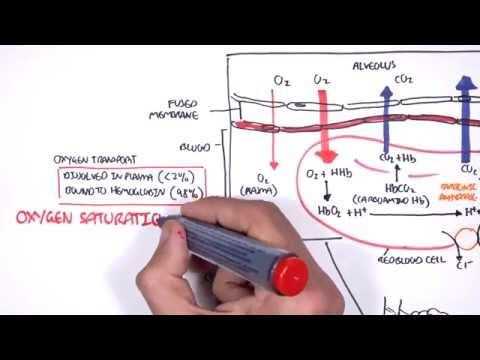
- Concentration Gradient: This is the difference in the amount of a substance on two sides of a barrier. Imagine you’ve got a room filled with balloons on one side and an empty room on the other. The balloons will flow to the empty side until both sides have an equal number. In your lungs, oxygen flows from areas where it’s more concentrated (like in the air) to where it’s less concentrated (in your blood).
- Surface Area: More surface area means more space for gas exchange to happen. Think about when you’re trying to get a large group of people through a door. The bigger the door, the faster they can get through! Your lungs have tiny little air sacs called alveoli that increase surface area so oxygen can jump into your blood quickly.
- Diffusion Distance: This refers to how far gases have to travel to get from one place to another. If that journey is long, less gas exchange happens. The distance between alveoli and capillaries (the tiny blood vessels) needs to be super short for efficient gas transfer. If there’s fluid or thickened tissue, like with pneumonia or lung disease, it’s like adding hurdles!
- Temperature: Yep, temperature plays a role too! Higher temperatures can actually make gases diffuse faster because they’re moving around more energetically. But there’s a flip side: if things get too hot or too cold in our bodies, it can mess with normal function and slow down that important gas exchange.
- Partial Pressure: This relates to how much pressure each individual gas exerts within a mixture. In simpler terms, consider how hard each type of gas is pushing against its environment; this affects their ability to enter or leave the bloodstream. For example, high altitudes mean lower partial pressures for oxygen—making it tougher for us mountain climbers!
If any of these factors get off balance—like when someone has lung issues due to smoking or asthma—gas exchange becomes impaired. You might feel tired or short of breath because your body isn’t getting enough oxygen or isn’t getting rid of carbon dioxide properly.
The thing is, understanding these factors isn’t just academic; it’s super important for recognizing signs of respiratory issues early on! So next time you take a deep breath (or struggle for air), remember this dance happening inside you—it’s all about that perfect balance!
Developing an Effective Nursing Care Plan for Impaired Gas Exchange: Best Practices and Evidence-Based Strategies in Respiratory Health
Creating a nursing care plan for impaired gas exchange requires a solid understanding of both the pathophysiology involved and the practical strategies that can really make a difference. So, what exactly does impaired gas exchange mean? Well, it’s when the lungs can’t effectively transfer oxygen into the blood or remove carbon dioxide from it. This can happen due to various reasons like diseases, lung injuries, or even just aging. Pretty serious stuff, right?
The whole idea behind a nursing care plan is to improve that gas exchange and promote better respiratory health. Here are some key points to consider:
- Assess the Patient: Before anything else, knowing your patient’s history is crucial. Are they suffering from asthma? Maybe COPD? Understanding their condition will guide your interventions.
- Monitor Vital Signs: Keep an eye on their oxygen saturation levels with pulse oximetry. Generally, healthy levels are above 95%. If they dip below, you might need to act quickly.
- Positioning Matters: Positioning a patient properly can aid in lung expansion. Sitting them up or turning them onto their side might help open up airways better.
- Incentive Spirometry: Encouraging patients to use an incentive spirometer can be super helpful. It’s this little device that gets them taking deep breaths and inflating their lungs more fully.
You know how sometimes you hold your breath out of anxiety? Well, patients with impaired gas exchange may struggle with things like shortness of breath or anxiety themselves. You can intervene by teaching them breathe control techniques. Deep breathing exercises can really help calm those nerves and promote better air flow.
That said, let’s not forget education! Taking time to teach your patients about their condition truly empowers them. Explain why they’re experiencing difficulty breathing and what they can do about it: lifestyle changes like quitting smoking or adding more physical activity into their routines can work wonders.
If medication is involved—like bronchodilators for asthma—be sure they understand how and when to use them effectively. Sometimes simple reminders make all the difference!
- Adequate Hydration: Keeping patients well-hydrated helps thin mucus secretions in the lungs, making it easier for them to breathe.
- Nutritional Support: Good nutrition really supports overall health too! Ensure they’re getting balanced meals packed with vitamins that help boost healing and energy levels.
- Coughing Techniques: Teaching effective coughing methods helps clear out any excess mucus obstructing airflow.
This whole process is not just about treating symptoms; it’s about understanding what underlies those symptoms in the first place. For instance, if inflammation is an issue due to infection or allergies, treating that root cause becomes essential in improving gas exchange over time.
It’s also critical to engage with members of the healthcare team like respiratory therapists; collaborating ensures comprehensive care for your patient! When everyone’s on the same page regarding best practices—that teamwork leads to better outcomes!
And remember: evaluating the effectiveness of your interventions should be continuous! Regular check-ins on symptom relief and oxygen saturation will inform necessary adjustments in care plans as needed. It’s all part of keeping that communication loop open!
You see? Developing an effective nursing care plan for impaired gas exchange isn’t just about ticking boxes; it’s about crafting a personalized approach based on evidence-backed strategies aimed at improving lives one breath at a time!
Understanding Impaired Gas Exchange: Key Nursing Diagnoses and Interventions in Respiratory Care
Alright, let’s jump into the nitty-gritty of impaired gas exchange and how it plays out in respiratory care. This is super important for nurses and healthcare providers because understanding it helps in delivering better patient care.
Impaired gas exchange basically means that your lungs aren’t doing their job right. You know, when they struggle to get oxygen in or remove carbon dioxide? This can happen due to various reasons like lung diseases, infections, or even just poor blood flow. Can you imagine how scary that must feel? Breathing is something we take for granted until it gets tough.
Pathophysiology of this condition covers several factors. For starters, conditions like asthma, COPD, or pneumonia can lead to this issue. These diseases affect the air sacs in your lungs, called alveoli, where gas exchange happens. If those sacs are inflamed or filled with fluid, you’re not getting enough oxygen into your blood.
Nursing diagnoses related to impaired gas exchange usually zero in on a few key things. Here’s a rundown:
- Ineffective Airway Clearance: Mucus or other blockages make it hard for patients to breathe.
- Ineffective Breathing Pattern: Patients might breathe too fast, too slow, or use accessory muscles just to get air.
- Anxiety: It can heightens when patients are struggling to breathe; you’d feel anxious too!
Now let’s break down some interventions that can really make a difference during respiratory care.
- Auscultation: Listening to lung sounds is crucial! It gives clues about what’s happening inside the chest.
- <b.positioning: Helping patients sit up or lean forward can assist with breathing because gravity works wonders on lung capacity!</b.positioning:
- <b.oxygen therapy: Sometimes, giving extra oxygen through a mask or nasal cannula helps boost levels quickly.
You might wonder how effective all of this is. Well, there’s always room for improvement—monitoring oxygen saturation with a pulse oximeter provides instant feedback on how well treatment is working.
A personal story: I once had a friend who suffered from asthma attacks during exercise. I vividly remember him struggling and panicking because he couldn’t catch his breath after running around. That feeling of helplessness really hits home and shows just how vital good respiratory care is—especially in moments like these!
The takeaway? Understanding impaired gas exchange means more than just knowing the science behind it; it’s about connecting as human beings too—providing comfort and support while tackling these medical challenges together.
Breathe easy! With proper assessment and nursing interventions, we can really help those struggling with impaired gas exchange live better lives again.
So, let’s chat a bit about something that might sound super technical but is actually pretty relatable when you think about it: gas exchange. It’s all about how our bodies get the oxygen we desperately need and how we get rid of carbon dioxide, which is, well, not so great for us in high amounts. When this process goes wrong, it can lead to some serious health issues.
Imagine being out of breath after running up a hill. You know that feeling when your lungs just can’t quite keep up? That’s kind of what happens in pathophysiology related to impaired gas exchange. It’s like your body is trying to send you a message—“Hey, I’m not getting enough oxygen here!” Conditions like asthma or COPD can really mess with this system.
I remember once being there with a friend who had asthma. We were having a casual day hiking and suddenly, she started wheezing and panting like she had just run a marathon. It wasn’t just annoying; it was scary! Her lungs weren’t cooperating, and her body was struggling to get that vital oxygen into her blood.
Now, the implications of poor gas exchange are pretty huge. When oxygen levels drop, your organs can start to suffer. It’s like holding your breath too long—eventually, everything gets sluggish! You may feel tired or confused because your brain isn’t getting what it needs to function well.
Then there’s carbon dioxide retention; it’s no picnic either! Think of it as having too many guests at a party—eventually it gets cramped and unpleasant. When CO2 builds up in the blood, it can lead to confusion or even loss of consciousness if things get really bad.
People might underestimate how vital this whole process is until they feel its effects firsthand or witness someone struggling with it. It’s easy to take breathing for granted until something goes amiss.
So yeah, understanding the pathophysiology behind impaired gas exchange reveals how intricately our bodies are designed—and how much we need to pay attention when things aren’t going right! And just maybe this reflection pushes us towards appreciating those everyday breaths we often overlook…