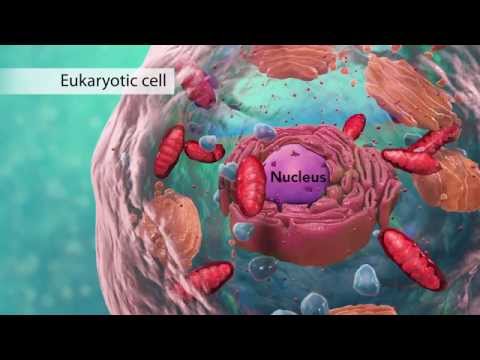
You know that feeling when you’re munching on a snack and suddenly wonder what’s actually in it? Like, “Whoa, what’s this ingredient I can’t even pronounce?” It’s wild how our food is made up of tiny bits and pieces—molecules!
Molecules are like the tiny building blocks of everything around us. Seriously, they’re everywhere! From the air we breathe to the cells in our bodies, they’re the real MVPs in life science.
Imagine each one as a little Lego piece. When you snap them together just right, you get something incredible: life! They help out in sooo many ways, like making energy or fighting off nasties that try to make us sick.
So yeah, let’s chat about these molecular superheroes and why they matter not just for science geeks but for all of us living this crazy life. You’re gonna want to stick around for this!
Exploring the Four Essential Molecules Vital to Life: A Scientific Overview
So, let’s chat about the four essential molecules that are literally the building blocks of life. These molecules are like the VIPs in a party—without them, everything just falls apart! We’re talking about proteins, carbohydrates, lipids, and nucleic acids. Each one plays a unique role in keeping living things thriving. But what do they actually do? Let’s break it down.
Proteins are kind of like the body’s little workers. They’re made up of amino acids, which you can think of as tiny Lego bricks that snap together to form something bigger. Proteins help with everything from building muscles to speeding up chemical reactions in your cells. So, when you eat a steak or tofu, those proteins get broken down into amino acids and then reassembled into new proteins that your body needs.
Next up are carbohydrates. These guys are like a quick energy snack for your cells. They come in different forms, like sugars and starches. When you munch on some bread or pasta, your body turns those carbs into glucose, which is basically fuel for your brain and muscles. Ever feel that boost after a big meal? Yup, that’s carbs doing their thing!
Now we can’t forget about lipids. These molecules include fats and oils and serve multiple purposes. They’re super important for making cell membranes—think of them as protective walls around each cell that keep the good stuff in and the bad stuff out. Some lipids also store energy for later use (like when you’re skipping breakfast!). If you’re enjoying avocado toast, you’re getting healthy lipids!
Lastly, let’s talk about nucleic acids. This group includes DNA and RNA—giant molecules packed with genetic information. DNA is like an instruction manual for building all the proteins in your body; it tells your cells what to do and how to do it. RNA plays more of a messenger role by carrying those instructions from DNA to other parts of the cell where proteins are made.
So there you have it! The four essential molecules vital to life are:
Without these molecules working together seamlessly, well… life would be pretty dull! So next time you’re snacking or cooking up something tasty, remember what’s going on at the molecular level—it’s quite the show behind the scenes!
20 Examples of Molecules: Exploring the Building Blocks of Science
Molecules are like tiny building blocks. They’re not just random bits of stuff floating around; they make up everything in our world, from the air we breathe to the food we eat. Each molecule has its own unique structure and function. So, let’s take a fun look at some examples of these wondrous molecules and what role they play in life science!
1. Water (H2O)
This one’s a no-brainer! Water is crucial for life. It makes up about 60% of your body. It helps regulate temperature, transport nutrients, and remove waste.
2. Glucose (C6H12O6)
Think of glucose as your body’s go-to energy source. It’s a simple sugar that fuels most living organisms.
3. DNA (Deoxyribonucleic Acid)
DNA is like the instruction manual for life. It carries genetic information that determines traits in all living things.
4. Proteins
Proteins are made up of smaller units called amino acids. These molecules perform tons of functions—like building muscles and speeding up chemical reactions.
5. Lipids
These include fats and oils, which store energy, provide insulation, and make up cell membranes.
6. ATP (Adenosine Triphosphate)
ATP is the energy currency of cells! When your body needs energy for something—even blinking—it uses ATP.
7. Chlorophyll
This green pigment allows plants to absorb sunlight during photosynthesis, turning light into energy.
8. Hemoglobin
Found in red blood cells, hemoglobin carries oxygen from your lungs to the rest of your body.
9. Hormones
Like insulin or adrenaline, hormones are signaling molecules that regulate processes like metabolism or stress response.
10. Nucleotides
These are the building blocks of DNA and RNA, essential for storing genetic information and protein synthesis.
11. Carbohydrates
These molecules come in many forms—like starch and cellulose—and serve as important sources of energy.
12. Enzymes
Enzymes are proteins that speed up biochemical reactions without being consumed themselves; they’re pretty amazing!
13. Antibodies
These specialized proteins help protect your body from infections by recognizing harmful invaders like bacteria or viruses.
14. Vitamins
These organic molecules are vital for various bodily functions; think vitamin C for immunity or vitamin D for bone health!
15. RNA (Ribonucleic Acid)
RNA plays a key role in translating DNA’s instructions into proteins that do all sorts of work in our cells.
16. Steroids
These lipid-based molecules can act as hormones affecting many aspects like growth or metabolism; you’ve probably heard about them in sports!
17. Myoglobin
Similar to hemoglobin but found in muscle tissues, myoglobin helps store oxygen directly where it’s needed during intense activity.
18: Cytokines
These tiny signaling molecules coordinate immune responses—think cell communication on a whole different level!
<b: 19: neurotransmitters
Neurotransmitters transmit signals between nerve cells; without them, you’d struggle with everything from mood to movement.
Sterols help build cell membranes and can act as hormones too—cholesterol is one well-known sterol!
So there you have it! Molecules might be minuscule, but their impact on life is gigantic! From water to neurotransmitters, each molecule plays an essential role that keeps everything running smoothly in our bodies and the world around us.
Key Components of Molecular Biology: Exploring the Foundations of Life Sciences
Sure thing! Let’s chat about the key components of molecular biology and why they’re like the building blocks of life itself. Seriously, it’s amazing how tiny things make up everything we see around us.
To start off, molecular biology focuses on the structures and functions of molecules that are essential for life. And when I say “molecules,” I’m talking about the big players like DNA, RNA, proteins, and even lipids. Each of these has its own role in keeping life ticking.
DNA, or deoxyribonucleic acid, is often called the blueprint of life. This twisted ladder shape holds all the genetic instructions for building and maintaining an organism. Imagine it as a cookbook: every recipe (or gene) helps create specific dishes (proteins). You follow these recipes to make everything from skin to muscles—pretty cool, right?
Now let’s talk about RNA, or ribonucleic acid. Think of RNA as the chef who takes those recipes from DNA and actually cooks them up! There are different types of RNA: messenger RNA (mRNA), which carries instructions from DNA to the kitchen (ribosomes), transfer RNA (tRNA), which brings ingredients (amino acids) to make proteins, and ribosomal RNA (rRNA), which helps assemble everything together. It’s a whole team effort in cellular kitchens!
Speaking of proteins, they’re built from amino acids. There are 20 different amino acids that can be combined in almost infinite ways to create all sorts of proteins—enzymes that speed up reactions, antibodies that fight off bugs, you name it! It’s like having a box of LEGO bricks; you can build anything from a simple car to an elaborate castle depending on how you snap them together.
And then there are lipids, which aren’t just fats but also include things like oils and hormones. Lipids help form cell membranes, acting as barriers that keep our cells safe while allowing nutrients in and out. They’re literally holding all those precious molecules together!
So what ties all this together? Well, it’s pretty much the interactions between these molecules—like how they communicate with each other and work together to keep life running smoothly. Without this intricate dance happening inside cells every second of every day? Yikes! Life would be chaotic or even non-existent.
In summary, molecular biology gives us insight into:
- DNA: The blueprint for life.
- RNA: The messenger that translates plans into action.
- Proteins: The functional workhorses made from amino acids.
- Lipids: Essential components for cell structures.
Isn’t it wild how much goes on at such a tiny scale? Every little molecule has its part to play in this grand performance called life! And remembering just how interconnected all these components are really makes you appreciate what goes on inside living organisms every single moment. So next time you look at something alive—be it a plant or an animal—you can think about all those hard-working molecules behind the scenes making it happen.
When you think about life, it kinda blows your mind to realize it all comes down to tiny little things called molecules. I mean, we’re talking about the building blocks of everything around us—from the air we breathe to the food we eat, even you and me. It’s like a hidden world that runs everything!
Imagine a moment from your childhood—maybe you were building something with Legos. Each little piece connects in a specific way to create something amazing, right? Well, that’s sorta how molecules work too! They come together in different combinations to form proteins, DNA, and other essentials that keep living organisms ticking. Proteins are like the workers in this grand construction site; they do the heavy lifting by performing tasks like repairing tissues or fighting off diseases.
And then there’s DNA. Oh man, thinking back on when I first learned about DNA made me feel like I was unearthing a treasure map of life itself! Every living thing has its unique instructions stored in this double-helix structure. Just picture that: tiny strands coiled up inside our cells carrying the secrets of who we are. It’s fascinating how just four basic building blocks—adenine, thymine, cytosine, and guanine—come together to create every single unique thing on this planet.
But it’s not just proteins and DNA; there are also lipids and carbohydrates involved. Think of lipids as your body’s fat—like butter for energy storage or those membranes around our cells keeping everything organized. Carbohydrates? They’re basically sugar molecules that give us quick fuel, like an energy boost during those mid-afternoon slumps when you just need a snack!
So when you slice through all these components and see how they work together, it really puts things into perspective about life science. Every heartbeat, every thought runs on these molecular interactions happening behind the scenes. Sometimes I sit back and marvel at this complexity—and vulnerability! Think of everything that happens when our molecular systems don’t click into place correctly; it can lead to illness or other issues.
Life isn’t just about big things; no way! It’s all about these teeny-tiny bits and pieces working together like a well-oiled machine—or maybe more like an orchestra playing in perfect harmony! Feeling connected to this hidden layer reminds me that there is still so much more beneath what we see on the surface every day—it kind of makes life seem even more magical than before!