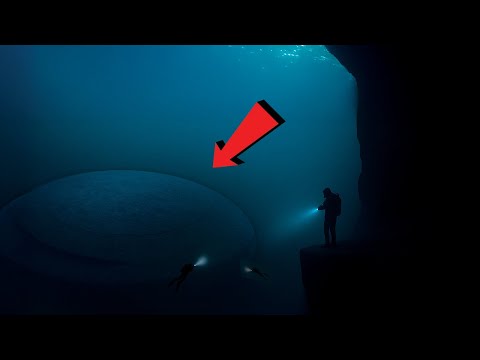
Did you know that more than 80% of our oceans are still unexplored? Seriously! It’s like having a huge mystery novel, but only a few pages have been read.
I remember this one summer when I went to the beach with my friends. We were splashing around, and suddenly, a jellyfish floated by. I freaked out! But then we started chatting about how little we really know about what’s under the waves.
You might think of oceans as just water, but they’re teeming with life and secrets. From bizarre creatures that look like they belong in a sci-fi movie to underwater volcanoes, there’s so much going on beneath the surface.
So buckle up! We’re gonna explore some wild facts and weird wonders of the ocean world. Get ready for some deep-sea adventures!
2025: A Pivotal Year for Ocean Conservation and Scientific Advancement
You know, the oceans are this vast, mysterious blue expanse that covers over 70% of our planet. It’s like a whole other world down there! In 2025, we’re looking at a pivotal moment for ocean conservation and scientific advancement. It’s pretty exciting, honestly.
First off, let’s talk about conservation efforts. Scientists and activists are ramping up their game to protect marine life from all sorts of threats. Overfishing? Pollution? Climate change? Yeah, those are major headaches. But with international agreements and collaborative efforts, we’re starting to see some real changes. Countries are working together to create more marine protected areas—basically underwater parks where fish can thrive without human interference.
- Marine Protected Areas (MPAs): These zones help restore fish populations and ecosystems by limiting activities like fishing or drilling.
- Innovative Technologies: New tools like underwater drones are helping scientists explore areas of the ocean that were previously unreachable.
- Research Funding: With more money being funneled into ocean science, researchers can tackle pressing issues like coral bleaching and plastic pollution.
I remember reading about an expedition where researchers used these high-tech submersibles in the depths of the ocean. It was mind-blowing! They discovered species we didn’t even know existed. This kind of exploration not only reveals the wonders down there but also informs conservation strategies.
You see, understanding the oceans isn’t just about curiosity; it’s also crucial for our survival. The ocean plays a massive role in regulating our climate and providing oxygen—like over half of it! As we push forward into 2025, scientists aim to leverage big data and AI to better predict changes in marine ecosystems.
- Biodiversity Monitoring: With AI, scientists can track species migrations and health much faster than before.
- Climate Change Predictions: Advanced models will help us anticipate how rising temperatures affect marine environments.
If you think about it, these advancements could help us formulate better policies for managing fisheries sustainably or protecting endangered species. And honestly? That’s not just good for fish; it’s good for us too!
The thing is, while technology is super cool and helpful in these efforts, public interest and action remain vital. Awareness campaigns that connect people to their oceans can drive grassroots movements that affect real change. Social media makes this easier than ever—who doesn’t love sharing a cute dolphin video?
- Community Engagement: Local groups raising awareness about coastal clean-ups make a huge difference!
- Cultural Connections: Storytelling about marine life can inspire people to advocate for conservation.
This is why 2025 is such an important year—it’s not just about scientific breakthroughs but also empowering communities to take action alongside researchers. So as we look ahead, let’s keep our fingers crossed that both science and society step up their game to protect this precious blue planet we call home!
Exploring the Ocean’s Greatest Mysteries: Unveiling the Secrets of the Deep
The ocean is like this enormous, blue blanket covering about 71% of our planet’s surface. But here’s the kicker: we’ve explored less than 20% of it! Can you believe that? It’s like living in a house for years without ever checking out the attic or basement.
One of the ocean’s biggest mysteries is its depth. The Mariana Trench is the deepest part we know, diving down almost 36,000 feet. That’s deeper than Mount Everest is tall! It’s so deep that when you go down there, the pressure can be over 1,000 times what we feel at sea level. Seriously, if you took a soda can down there and opened it, it would probably implode instantly!
You ever hear about bioluminescence? That’s another mystery. Some creatures, like jellyfish and certain fish, can produce their own light using a special chemical reaction. Imagine swimming through dark waters and suddenly seeing glowing fish all around you. It seems straight out of a sci-fi movie!
The ocean also hides some strange sounds that scientists can’t explain. In 1997, researchers picked up a sound known as “The Bloop.” This mysterious noise was so loud that it could be heard thousands of miles away. Some thought it came from icebergs cracking while others speculated about undiscovered marine life. To this day, we have no clear answer.
- The Great Pacific Garbage Patch: This area has become infamous for containing tons of plastic waste. It’s not just one big piece; it’s millions of tiny particles floating around, harming marine life.
- Underwater volcanoes: There are more active volcanoes under the ocean than above ground! Some are continuously spewing lava and creating new landforms without anyone knowing. How cool is that?
- The Bermuda Triangle: This area has gained a reputation for mysterious disappearance of ships and planes. Is it bad weather? Magnetic anomalies? No one really knows yet!
If you think about all these secrets and surprises lurking beneath those waves, it kinda makes your head spin! Just imagine diving into an unknown world filled with bizarre creatures and hidden treasures just waiting to be found.
The quest to explore these mysteries isn’t just thrilling; it’s vital too. Understanding marine ecosystems helps us tackle issues like climate change, pollution, and preserving biodiversity. Every time scientists discover something new in the ocean depths, we get one step closer to unlocking its secrets.
No matter how much we learn about our oceans today, they’ll always have more stories to tell—like old friends who keep revealing exciting tales every time you visit! 🌊 So next time you gaze at the sea, remember there’s way more happening beneath those waves than meets the eye.
Unveiling the Depths: Understanding Why 95% of the Ocean Remains Unexplored in Modern Science
The ocean is a real mystery box, right? It covers over 70% of our planet, yet a whopping **95% remains unexplored**. Just let that sink in for a moment! You might think with all the technology we have today, we’d know what’s down there. But it’s not that simple.
So why haven’t we explored more of it? Well, first off, the ocean is **huge**. I mean, it’s deep and wide and full of twists and turns that make it tricky to navigate. If you think about it like hiking in a vast forest, you realize how easy it is to get lost or miss an entire area. Each ocean has its unique features like trenches and underwater mountains that are really hard to reach.
Then there’s **the cost**. Exploring the ocean isn’t cheap! Building submersibles or underwater robots can run into millions. Not every research institution has this kind of cash lying around. So often it’s like getting that shiny gadget you want but can’t quite afford.
Also, you gotta consider the **technology** we use to explore. Some devices work well in shallow waters but get freaked out by deep conditions. For instance, pressure increases dramatically as you dive deeper—it’s like fitting an elephant in a phone booth! The deeper you go, the more challenges arise: intense pressure, freezing temperatures, and darkness so thick you could touch it.
And let’s not forget about time—it takes **years** to plan and carry out research missions in the ocean! Scientists often want to take their time (rightly so) because rushing could lead to mistakes or missed discoveries.
Now here’s something interesting: about **a third of our planet’s oxygen comes from the ocean**! Tiny phytoplankton do this amazing job of producing oxygen while absorbing carbon dioxide. Crazy how much they help us out while still being mostly unknown!
But hey, what if I told you there’s also excitement involved? New discoveries happen all the time! Like earlier this year when researchers found an entire ecosystem thriving near volcanic vents at the bottom of the Pacific Ocean—life adapted to extreme conditions just blows your mind!
So yeah, while we’re sailing on top of an immense body of water filled with mysteries beneath its surface, understanding why 95% remains unexplored comes down to size, cost, technology limitations, and sheer time needed for research. It really makes ya think about all that’s left waiting down there—what kind of creatures might be lurking or what ancient shipwrecks might hold? Ocean exploration feels like piecing together a grand puzzle that never ends!
You know, when you think about it, the oceans are like this vast, mysterious world that covers more than 70% of our planet. It’s a little wild to realize there’s so much down there just waiting to be discovered. I mean, if you ever stood on a beach and watched the waves crash in, it’s pretty mesmerizing, right? But what happens beneath that sparkling surface is even more incredible.
I remember the first time I went snorkeling. I slipped into the water and suddenly felt like I had entered a different universe. Fish in colors I’d never seen before darting around, corals swaying with the gentle currents… it was like nature’s own light show! That experience really got me thinking about how much of our oceans remain unexplored.
Oceanology is this field dedicated to studying everything about oceans—from their chemistry and physics to the creatures inhabiting them. Scientists dive into understanding currents, tides, and ecosystems—basically piecing together a puzzle that’s been around for millions of years! Isn’t that something? They even explore how climate change impacts these vast waters because everything’s connected.
But here’s where it gets super interesting: we’ve mapped more of the surface of Mars than we have of our own ocean floors! Can you believe that? Just imagine what’s lying down there—unknown organisms that could hold secrets for medicine or new species we’ve yet to encounter.
The thing is, each dive and every research expedition reveals something new. Sometimes it feels overwhelming—like how do we even begin to protect these beautiful environments when we don’t even know all their wonders? It’s vital to keep learning and asking questions because every bit of knowledge can help safeguard our blue planet.
So when we talk about oceanology, it’s not just about waves and saltwater; it’s about understanding a massive part of who we are on Earth. And really, who wouldn’t want to unravel those mysteries?