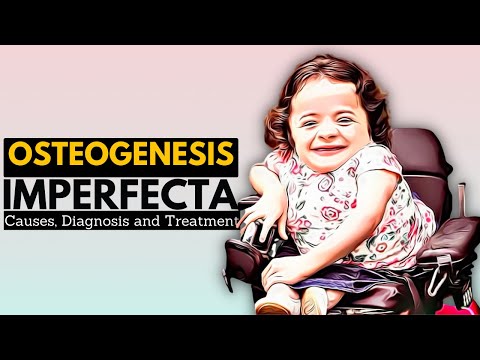
You know, when I was a kid, I thought I was invincible. Like, I could climb trees and jump off swings without a care in the world. But then there are people with a condition called Osteogenesis Imperfecta (OI) who kinda wish they could be as carefree as I was.
Imagine breaking your bones just by sneezing! Sounds like a superhero power gone wrong, right? OI is all about how our bodies make bones—or rather, don’t quite get it right.
It’s actually this super interesting genetic thing that affects collagen production. And collagen is like the glue that holds our bones together. Without it, things can get a little shaky—literally!
So let’s take a casual stroll through what makes OI tick and why it’s more than just those fragile bones you might’ve heard about. There’s so much to unpack here, and trust me, it’s not all doom and gloom!
Exploring the Link Between Osteogenesis Imperfecta and Pathological Fractures: A Comprehensive Analysis in Bone Health Research
Osteogenesis imperfecta (OI) is often called “brittle bone disease.” It’s a genetic condition that makes your bones super fragile. People with OI have bones that break easily, sometimes even without an obvious reason. Imagine playing tag and suddenly, *snap!* That can be the reality for someone with OI.
What causes this crazy fragility? Well, it’s all about collagen. Collagen is like the glue that holds our bones together, and people with OI have defective collagen caused by mutations in specific genes. The most common ones are called COL1A1 and COL1A2. These genes tell your body how to make collagen properly, and when they don’t work right? Yikes! It leads to weak bones.
One of the main things we look at in bone health research is how often *pathological fractures* happen in people with OI. Pathological fractures are those pesky breaks that occur from normal activity or less force than usual. So, imagine you’re just walking, and whoops—your leg gives out! In studies, it’s been shown that individuals with OI can have multiple fractures throughout their lives.
Here are some key points about the link between osteogenesis imperfecta and pathological fractures:
- Bone Density: In OI patients, bone density can be low due to flawed collagen structure.
- Type Variation: There are different types of OI (like Type I or Type II), which can affect fracture rates differently.
- Treatment Approaches: Sometimes bisphosphonates are used to help strengthen bones and reduce fractures.
Not all treatments work for everyone though—what may help one person could do nothing for another. And hey, personal experiences vary widely among those living with OI.
Then there’s the emotional side of things—living with a condition like this isn’t just physical; it takes a toll mentally too. Many people deal with anxiety about getting hurt or feeling limited in what they can do compared to others. Connecting with support groups can help a lot! Sharing stories of struggles and victories brings some comfort.
Researchers are constantly on the hunt for better understandings of these links between osteogenesis imperfecta and fractured bones so they can develop improved treatments. They’re diving into advanced imaging techniques and genetic studies to get deeper insights into bone health.
To sum it up: Osteogenesis imperfecta presents unique challenges when it comes to bone strength and fracture risk. The connections between the disease’s biology, patient experiences, and treatment options create a complex web worth exploring further as science marches on. So keep your eyes peeled for new discoveries; they might just change everything for those affected by brittle bones!
Understanding the Pathophysiology of Osteogenesis Imperfecta: Insights into Bone Fragility Disorders
Osteogenesis Imperfecta (OI) is often known as “brittle bone disease.” The term might sound a bit alarming, but there’s a lot more to it than just bones breaking easily. The key to understanding OI is in its **pathophysiology**, which dives into the underlying biological processes.
So, here’s the deal: OI largely results from issues in the body’s collagen production. Collagen is like the scaffolding for our bones and, well, pretty much for most of our connective tissues. In people with OI, these collagen fibers are either not produced correctly or aren’t the right type. This leads to weakened bones that can break with minimal force.
You see, there are several types of OI, each causing varying degrees of fragility. For instance:
- Type I: The mildest form where people might only experience a few fractures in their lifetime.
- Type II: A severe form that can result in fractures even before birth.
- Type III: Characterized by progressive deformities and many fractures throughout life.
- Type IV: Moderate severity, allowing for some mobility but still prone to breaks.
The genetic mutations responsible for OI primarily affect two genes: **COL1A1** and **COL1A2**. These genes are crucial because they code for the components of type I collagen. When there’s a mutation, the collagen structure isn’t just weak; it might also be malformed. Imagine trying to build a house using flimsy materials—it’s not going to stand strong under pressure.
Now, you might be wondering how this manifests physically in someone with OI. Aside from frequent fractures, individuals may also experience other signs such as:
- Bluish sclera: That’s the white part of your eyes; it can appear blue due to thinness of tissue.
- Dental issues: The teeth may develop poorly because they rely on collagen too.
- Skeletal deformities: Like bowing of limbs or spinal curvature over time.
The emotional and social impacts shouldn’t be overlooked either. Imagine living with constant worry about breaking a bone when you’re just hanging out at home or trying to join friends in activities. That can really affect one’s mental well-being and self-esteem.
Treatment approaches vary based on severity but generally focus on preventing fractures and improving mobility. Medications like bisphosphonates can increase bone density—like giving your bones a little boost! Physical therapy helps improve strength and flexibility too.
In summary, understanding osteogenesis imperfecta is about recognizing that it’s not just about breaking bones; it’s all tied up in an intricate world of genetics and biology where collagen plays star role! Each type brings its challenges but awareness can lead us towards better treatment options and support networks for those living with this condition.
Understanding Osteogenesis Imperfecta: An Educational Presentation on the Science of Bone Fragility
Osteogenesis Imperfecta (OI) is a genetic condition that messes with your bones, making them super fragile. Like, we’re talking about bones that can break really easily, sometimes even just from a little bump. It’s caused by problems in how your body makes collagen, which is this strong protein that helps keep our bones sturdy. If you never thought about collagen before, it’s basically like the glue that holds everything together.
So, let’s break down what happens here. You see, there are different types of OI, but they all share that same core issue: not enough quality collagen. With some types, you might have blue sclerae (that’s the white part of your eyes showing a blue tint), while others could have more severe symptoms like frequent fractures and deformities. The severity can really range from mild to pretty extreme.
Now onto the science-y stuff! OI is mostly caused by mutations in one of two genes: **COL1A1** or **COL1A2**. These genes are responsible for producing type I collagen. When those genes are faulty because of mutations or changes in the DNA sequence, your body can’t make strong collagen properly. So yeah, less awesome bone strength overall!
But why do we care so much? Well, each fracture can cause not just physical pain but emotional distress too! Imagine being afraid to play sports or even run around at recess because you might break something – it’s tough! A lot of kids with OI face challenges at school and socially because they can’t participate as much.
Treatment isn’t one-size-fits-all either. Some folks might need special medications like bisphosphonates that help increase bone density and reduce fractures. Others could benefit from physical therapy to help strengthen muscles around those fragile bones and improve mobility.
Here are a few key points about Osteogenesis Imperfecta:
- Genetic Condition: It’s mainly inherited and related to collagen production.
- Severity: There’s a spectrum; some have only a few fractures over their lifetime while others have many.
- Symptoms: In addition to fragile bones, people might experience dental issues or hearing loss.
- Treatment Options: Include medications and therapies tailored to individual needs.
It’s kind of heartbreaking when you think about how people with this condition live their lives. They may need extra precautions like using wheelchairs or special equipment just for everyday activities. So next time you hear someone mention OI, remember there’s more than meets the eye! Each person has their story shaped by this condition—strengths and challenges alike—and that’s pretty powerful in its own right!
Osteogenesis Imperfecta (OI), often called “brittle bone disease,” is one of those conditions that really make you appreciate the strength—and fragility—of our bones. Imagine learning as a kid to ride a bike and falling off, only to find out that your bones could break really easily. That’s a reality for many with OI. But what’s going on under the surface? Let’s chat about it.
At its core, OI is caused by problems with collagen, which is this super important protein that helps provide structure to our bones and other connective tissues. You could say collagen is like the glue holding everything together. In OI, mutations affect the genes responsible for making collagen. It’s crazy to think that such tiny changes at a molecular level can lead to bones that fracture more easily than you might expect.
The symptoms vary quite a bit; some people may have just a few broken bones throughout their life, while others might experience many fractures repeatedly—even from just bumping into something or sneezing! I remember hearing about a young girl who had to learn how to navigate her world carefully, like she was tiptoeing through a minefield, because any misstep could lead to another fracture. It really hits home the day-to-day resilience people with OI have to muster.
Now, diving deeper into the pathophysiology—fancy term for how this condition plays out in the body—you’ll find it isn’t just about weak bones. There’s also an impact on other connective tissues, which can lead to things like blue sclerae (the whites of the eyes looking blue) and hearing loss as people age. So it’s not just about one type of problem; it’s more of an interconnected web of issues.
Researchers are working hard on understanding more about OI so they can find better treatments or even cures down the line. It’s hopeful thinking! Like with many genetic conditions, gene therapy has made some waves in recent years; maybe someday we’ll be able to fix those collagen problems directly.
All in all, talking about Osteogenesis Imperfecta opens up this window into how amazing—and complex—our bodies are, right? It reminds us not just of vulnerability but also of human strength and adaptability in facing challenges every single day. Life with OI might be tough at times; still, there’s an incredible community out there supporting each other and sharing stories of triumph and resilience against all odds!