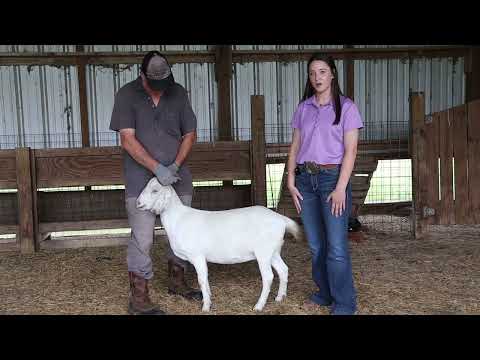
You know, I once watched a sheep prance around the field like it was in some kind of ballet. Seriously, those fluffy creatures seem so carefree, but their hooves—oh boy—there’s a lot going on down there!
Did you know that sheep hooves are actually super cool? They’re not just cute little stubs; they play a huge role in how sheep graze and stay healthy. It’s wild when you think about it!
So, what’s the deal with these hoof structures? What makes them tick? You’ll be surprised at how much their design helps them thrive on those lush pastures.
Let’s dive into the nitty-gritty of sheep hoof anatomy and discover why it matters for their grazing health. Get comfy and let’s see what makes those hoofs so special!
The Role of Hoof Structure and Function in Sheep: Insights from Veterinary Science
So, sheep hooves might not be the first thing that comes to mind when you think about animal anatomy, but they play a huge role in a sheep’s overall health and function! Let’s break it down a bit.
Sheep hooves are unique. They’re split into two parts, called claws or digits. This design is super important because it helps them navigate various terrains, whether it’s rocky mountains or damp pastures. Think about it: having those two digits allows for better grip and balance. Ever seen a sheep trotting up a steep hill? It’s pretty impressive how they manage that!
Now, let’s talk about hoof structure. Each hoof has several layers:
- Outer layer: The hoof wall is tough and protects the inner structures.
- Coronary band: This is where the hoof grows from; it’s like the root of a nail!
- Sole: The underside of the hoof that provides support.
- Interdigital space: The area between the two claws where debris can sometimes get trapped.
You know what’s interesting? A well-structured hoof allows sheep to graze effectively without getting hurt, especially on uneven ground. If their hooves are healthy, they can roam around searching for tasty grass and keeping themselves fit.
But if things go awry? Hoof issues can lead to some serious problems. <b"foot rot, which is caused by bacteria taking advantage of injuries or poor hygiene in the hooves. It can happen if sheep walk through wet, muddy conditions with dirty hooves—not fun at all! So keeping their feet clean and dry is super crucial.
When veterinarians look at sheep health, they’re often paying attention to their feet more than you might think. Regular checks on hoof condition can prevent problems before they start. Plus, trimming hooves when necessary helps maintain healthy growth and reduces pain.
To sum up: healthy hoof structure plays a major role in how well sheep move around and graze. By understanding this aspect of their anatomy, we can appreciate how important it is for their overall well-being! That little split in their feet really makes a difference in their life on pasture—who would’ve thought?
Understanding Healthy Sheep Hoof Anatomy: Key Characteristics and Indicators
When you think about sheep, one part that often gets overlooked is their hooves. But seriously, healthy hooves are super important for their overall well-being. So let’s break down what makes up sheep hoof anatomy and why it matters.
First off, a sheep’s hoof is made up of several key parts, each playing its own role in keeping the sheep healthy and mobile. The main components are:
- Wall: This is the hard outer layer of the hoof, kind of like our nails. It protects the softer inner structures.
- Coronary Band: Located right at the top of the hoof wall, this part helps produce new growth. When it’s healthy, you’ll see a nice even growth pattern.
- Sole: That’s the bottom surface of the hoof. It should be firm but not too hard or too soft. A good sole supports weight well and keeps the inner structures safe.
- Bulbs: These are located at the back of the hoof and act as shock absorbers when sheep walk or run. They cushion impacts with the ground.
- Interdigital Space: This is between two toes (yes, they have two!), and it should be clean and dry to prevent infections.
Now that we got that cleared up, let’s talk about what makes a healthy hoof shine! Healthy sheep hooves tend to have certain characteristics you can look for:
- No Cracks or Splits: A solid hoof wall means your sheep’s hooves are in good shape.
- Evens Growth Lines: If you notice nice even lines on the wall—like rings on a tree—it usually means they’re growing well.
- No Odor or Discharge: If everything smells fresh and there’s no odd gooey stuff coming out from between their toes—great sign!
But keep an eye out! Signs of distress can include things like limping or reluctance to walk. Now I remember my neighbor who had a few sheep; one day he noticed one was limping around like it was auditioning for a dance-off! He checked its hooves and found some debris stuck in there. Once cleaned and trimmed, that little guy was back to prancing around like nothing happened!
Anyway, maintaining healthy hooves isn’t just about looks; it’s crucial for grazing health too. If they have sore feet or infections like foot rot (yikes!), it can affect how much they eat because they’re in pain or avoiding movement.
To wrap it all up: understanding these key characteristics helps any shepherd keep their flock happy—domestic bliss starts with those little toe beans! You might not think much about them until something goes wrong, so regular checks can really pay off in keeping those woolly friends frolicking around freely.
Understanding Hoof Anatomy: Insights into Its Purpose and Function in Veterinary Science
So, let’s chat about hoof anatomy, but specifically sheep hooves. It might sound a bit obscure, but trust me, it’s super important, especially when we think about their health in grazing.
First off, sheep have cloven hooves, which means their feet are split into two parts. This design is pretty cool because it helps them navigate tricky terrains like rocky paths or muddy fields. The two parts are called the medial and lateral claw. Each claw works together but also independently; that’s why they can balance and scamper around so well.
Now, what’s inside those hooves? Well, there’s a lot going on! Inside each claw is a structure called the keratinized hoof capsule, which is basically the hard outer shell of the hoof. It protects the sensitive tissues inside. Underneath this tough exterior lies a softer area known as the sole. The sole helps support the sheep as they walk and graze on different surfaces.
But here’s where it gets really interesting: there are also structures like the frog, which is a V-shaped soft tissue that acts like a cushion during movement. It absorbs shock and provides traction when they’re walking or running on uneven ground.
When sheep graze, these cloven hooves play a crucial role in maintaining their health. You might wonder how that relates to what they eat. Well, if their hooves aren’t healthy or properly maintained, they can develop issues like foot rot or laminitis—serious stuff! That kind of thing can mess with their ability to graze properly since painful hooves mean less time munching on tasty grass.
And let me tell you about an example from my own experience! I once visited a farm where sheep were suffering from foot rot because of wet conditions combined with inadequate hoof care. It was heartbreaking to see them struggle just to stand up and walk around! Their owners had no idea how much foot health affected grazing quality and overall well-being.
It’s also essential to mention that proper hoof care includes regular trimming since overgrown hooves can lead to discomfort and infection. Farmers often have to check for any signs of trouble regularly; keeping an eye out helps prevent bigger issues down the line.
In summary, understanding sheep hoof anatomy isn’t just academic; it ties directly into veterinary science by influencing animal welfare and grazing health. So when you see those fluffy little grazers out in the field next time, you’ll know there’s way more underfoot than meets the eye!
Alright, let’s chat about sheep hoof anatomy. You probably don’t think much about it, right? Like, how often do you even look at a sheep’s feet? But honestly, they’re pretty fascinating and have a lot to do with a sheep’s health and grazing habits.
First off, a sheep’s hoof is split into two main parts—like two little toes. Each part is called a claw. This unique structure helps them get around on all sorts of terrains, from grassy fields to rocky hillsides. They need that grip! I remember the first time I saw a flock of sheep scaling a steep hill. They looked so effortless as they grazed on what seemed like nearly vertical ground, munching away like it was nothing special.
Now here’s the deal: the outer layer of their hooves is made of keratin—the same stuff that makes up our nails and hair. This tough exterior protects their soft inner tissues and helps them withstand wear and tear as they trot around looking for something tasty to nibble on. And get this: if their hooves aren’t kept in good shape, it can seriously affect their ability to graze properly.
But there’s more—this anatomy isn’t just about keeping them stable on various surfaces; it also plays a big role in their overall health. Think about how much time they spend walking around looking for food or just hanging out with the rest of the flock. If their hooves become overgrown or cracked, you can run into some problems like lameness or infections. Not fun for them, right?
So yeah, those little feet are crucial not just for getting around but also for maintaining healthy grazing habits. Without healthy hooves, those adorable woolly creatures could struggle to reach their favorite snacks or even end up in a bad spot health-wise.
In the grand scheme of things, when you see those sheep happily grazing on grass under the sun, just remember that it all starts from those sturdy little hooves! It’s kind of amazing how something so simple can have such gigantic implications in the life of these animals. Who would’ve thought?