So, picture this: you’re at a party, and someone’s showing off their latest X-ray pictures. Classic drama, right? But hold on—what if I told you some of those images could reveal a real medical mystery?
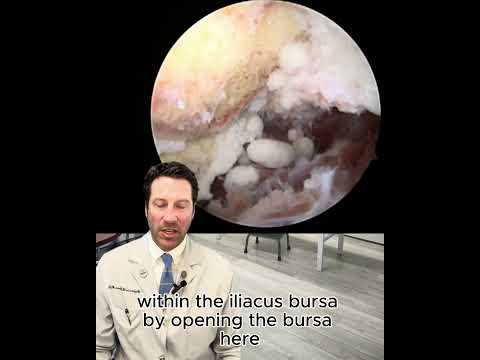
Welcome to the world of synovial osteochondromatosis. Sounds fancy, huh? It’s actually a condition that makes your body act a bit like a weird art project! Instead of just having your usual joints and cartilage, sometimes they throw in these bumpy little growths. Fun fact: they can look like popcorn!
You might be wondering what the deal is with these odd growths. Well, that’s where radiology comes into play. It’s like having a backstage pass to see what’s really going on inside your body… without needing any magic tricks.
Grab your favorite snack; we’re about to unravel this curious little condition together!
Comprehensive Insights into Synovial Chondromatosis: Radiological Imaging and Diagnosis
Synovial Chondromatosis is a rare condition that affects the synovial membranes, which are like the protective linings around your joints. Basically, what happens is that cartilage cells start to grow abnormally in these membranes. This can lead to the formation of loose bodies—think tiny, floating pieces of cartilage—that can cause pain and stiffness in the affected joint.
Now, when it comes to diagnosis, medical imaging, especially radiological techniques, plays a crucial role. You know, doctors rely heavily on tools like X-rays and MRIs to get a good look at what’s going on inside your body.
X-rays are often the first step. They’re really good at showing any bony changes in your joints. If someone has synovial chondromatosis, an X-ray might show multiple small calcified nodules or loose bodies within the joint space or nearby structures. Imagine spotting little pebbles floating around in water—that’s kind of what it looks like!
However, if you want a more detailed view, MRIs are where it’s at. MRIs provide a clearer picture of soft tissues and cartilage. They help doctors see not just those pesky loose bodies but also how they interact with surrounding tissues. It’s like looking into a high-definition movie instead of just glancing at a blurry photo.
- Loose Bodies: MRI can reveal their size and number.
- Tissue Changes: It shows if there’s swelling or inflammation around the joint.
- Surgical Planning: If surgery is required, MRIs help map out exactly where everything is.
You might be curious about symptoms too! Well, people with this condition often complain about pain and swelling in their joints. There could be stiffness and sometimes even locking or catching sensations when moving the affected area—like trying to turn a rusty doorknob that won’t budge!
Diagnosis isn’t always straightforward because symptoms can overlap with other conditions such as osteoarthritis or rheumatoid arthritis—a bit frustrating for both patients and docs! That’s why imaging results combined with clinical evaluations are super important for an accurate diagnosis.
The treatment path usually depends on how severe it is. If it’s not too bad, doctors might recommend rest and physical therapy to manage symptoms. For more severe cases, like when those little floating pieces really cause problems? Surgery might be necessary to remove those loose bodies and clean up the joint surface.
So yeah, synovial chondromatosis is one of those conditions that need careful attention from medical professionals using advanced imaging techniques to really get a handle on what’s happening inside our joints!
Radiological Insights into Synovial Chondromatosis of the Shoulder: Diagnostic Challenges and Imaging Findings
Sure! Let’s dig into the world of synovial chondromatosis and its radiological insights in a way that’s easy to understand.
Synovial chondromatosis is one of those tricky conditions that can affect your shoulder. Basically, it’s when the cartilage in the joint starts to grow abnormally and produces small nodules or loose bodies. These pieces can float around in the joint fluid, sometimes causing pain or limited movement. Sounds annoying, right?
Now, when it comes to diagnosing this condition, imaging techniques really come into play. The most common methods used include X-rays, MRI, and CT scans. Each of these has its own strengths.
- X-rays are usually the first step. They can show you changes in bone and might reveal some loose bodies. But they won’t show those cartilage nodules clearly.
- MRI is where things get more detailed. It gives a clearer picture of soft tissues and can show both the cartilage growths and any swelling in the joint lining (the synovium).
- CT scans provide a great view of complex bony structures if you need even more detail after an MRI.
It’s fascinating that these imaging methods often need to be used together to get a complete picture because no single method tells you everything.
But diagnosing synovial chondromatosis isn’t always straightforward. For one thing, there are other conditions that mimic it! You might think it’s just arthritis at first glance since both can cause joint pain or swelling.
In some cases, this misdiagnosis can lead to treatment delays! Imagine thinking it’s just “getting older” or “being active,” when really your shoulder is giving you signals that something more needs attention.
In terms of findings on an MRI, **you’ll often see** multiple rounded areas that are bright on images—these represent those pesky nodules we talked about before. It might look like little beads floating around in a pond—pretty wild!
So here’s where it gets emotional—patients often share stories about how frustrating it is to be told that their shoulder pain is “just part of getting older.” Many feel dismissed until someone digs deeper with imaging studies and finds out what’s really going on.
Another thing: once diagnosed correctly, treatment options usually include surgery to remove those loose bodies or abnormal cartilage nodules. This can lead to significant relief! Just imagine finally being able to lift your arm without wincing; what a relief that must be!
In short, while radiological insights provide critical information for diagnosing synovial chondromatosis of the shoulder, challenges persist because other conditions may look similar on images. However, with careful analysis using different imaging techniques—and by listening closely to what patients report—doctors can get closer to making the right diagnosis and help improve quality of life for those affected!
Radiological Insights into Synovial Osteochondromatosis of the Knee: Diagnosis and Imaging Techniques
Synovial osteochondromatosis is one of those mouthful terms that sounds way more complicated than it actually is. Basically, it’s a condition where the synovium, which is the lining of your joints, goes a bit haywire. In this case, it creates extra cartilage or bone-like nodules that can get pretty annoying—especially in your knee.
Now, when you’re trying to figure out if someone has this condition, radiological techniques are your best friends. They help doctors see what’s going on inside without having to open anything up. The main imaging techniques used include:
- X-rays: These are usually the first step. They can show you bone changes but might not catch everything. You might see some calcified nodules or joint swelling.
- Magnetic Resonance Imaging (MRI): This one’s a champ! It gives a detailed picture of soft tissues. So you can see the synovium, cartilage, and those annoying little nodules really well.
- Computed Tomography (CT) Scans: Sometimes CT scans are super helpful for assessing complex cases or looking at bony changes that X-rays might miss.
So imagine you’re at the doctor’s office. You’ve been having knee pain and some swelling for a while now. The doc orders an MRI and there it is—the synovial lining is doing all sorts of funky stuff with extra nodules floating around like they own the place!
You know what’s wild? Sometimes these nodules can just sit there and not cause much trouble, but other times they can lead to some serious issues like joint pain or even locking up your knee. That’s why catching it early is so key!
In diagnosis, it’s not just about what’s shown on images; symptoms play a role too. Patients often report feelings like “my knee feels stiff” or “I hear clicking sounds.” All these little clues help paint a clearer picture for doctors.
The treatment plan varies depending on how bad things have gotten. In milder cases, simply monitoring might be enough—like keeping an eye on those pesky nodules. But if they’re causing issues? Well, surgical removal could be necessary.
So yeah, radiological insights into synovial osteochondromatosis give us crucial info to understand and manage this unique condition effectively! Isn’t science kind of amazing in how it helps us tackle problems we can’t even see?
Alright, let’s chat about something that doesn’t usually get the spotlight: synovial osteochondromatosis. Sounds super complex, right? But hang tight. Once you peel back the layers, it’s kind of interesting. So, basically, this condition is all about those pesky growths that pop up in the joints—specifically in the synovium, which is this thin membrane that lines your joints and produces some fluid to keep everything moving smoothly.
Now, when it comes to diagnosing this condition, radiology steps in like a superhero. You know how sometimes when you take a picture of something and see details you never noticed before? That’s what imaging techniques like X-rays or MRIs do for doctors. They help spot those little nodules or calcifications that could signal synovial osteochondromatosis. It’s wild how much these tools can reveal.
I remember my buddy had knee issues for ages and couldn’t figure out what was going on. He’d complain about pain and swelling after playing basketball—classic weekend warrior stuff! Eventually, he got an MRI, and voilà! They found these calcified masses lurking around his knee joint. It turned out to be a case of synovial osteochondromatosis. Crazy how something so small could cause such big problems! The docs explained how it could affect his movement and cause discomfort.
What’s fascinating is that it’s not just about finding the growths; it’s also about understanding whether they’re benign or could potentially lead to bigger issues down the line. Radiologists are kind of like detectives in this realm—they analyze those images closely to help tailor treatment strategies.
The emotional side of things gets me too; I mean, discovering you have a condition can be daunting at first—like facing an unexpected plot twist in your favorite TV show! But with advancements in radiology and treatment options, there’s hope for managing symptoms and getting back to doing what you love (or simply moving without pain).
So yeah, exploring the radiological insights into synovial osteochondromatosis not only opens our eyes to the technical side of things but also sheds light on real-life experiences like my friend’s journey through pain into recovery. Just goes to show you how science touches our everyday lives—even if we don’t always see it!