You know that moment when you’re feeling like a million bucks, and then suddenly, boom! Your stomach’s throwing a party of confusion? Yeah, that’s kinda what happens with acalculous cholecystitis.
Funny story: I once thought it was just a case of bad leftovers. Turns out, that pesky little gallbladder can play tricks on us without any stones involved! Who knew?
So, here’s the deal: diagnosing this sneaky condition isn’t as straightforward as it sounds. You’ve got to rely on some pretty cool imaging techniques to get to the bottom of things. Radiology steps in like a superhero with its fancy gadgets.
Let’s chat about how these insights can help catch acalculous cholecystitis before it becomes a serious headache—figuratively and literally! Sounds intriguing, right?
Understanding Acalculous Cholecystitis: Causes, Symptoms, and Treatment in Medical Science
Acalculous cholecystitis, wow, that’s quite a mouthful! Let’s break it down. Basically, it’s when the gallbladder gets inflamed without any gallstones hanging around. This can be a bit tricky since most people usually think of gallbladders and gallstones as a package deal.
Causes of this condition can vary widely. It often pops up in people who are seriously ill or have had surgery. It’s like your body is under so much stress that the gallbladder just throws in the towel, you know? Here are some common triggers:
- Infections.
- Major trauma.
- Severe burns.
- Prolonged fasting or total parenteral nutrition (that’s fancy talk for getting nutrients through an IV).
We all know how our bodies react under pressure. Imagine you’re stressed out before a big exam; your body doesn’t react well either! So, for some folks, this inflammation starts up even without stones being present.
Symptoms can be pretty misleading too. People might not experience the typical signs associated with gallbladder trouble like they would with stone-related issues. Common symptoms to watch for include:
- Pain in the upper right abdomen (it can really hurt).
- Nausea and vomiting.
- A fever that seems to show up out of nowhere.
- Bloating or feeling full even after eating a little bit.
You see, these symptoms can overlap with many other conditions, making it hard for doctors to catch it early on. It’s kind of like trying to find a needle in a haystack—super frustrating!
Now onto Treatment. When someone is suspected of having acalculous cholecystitis, time is essential! Doctors usually act fast to avoid complications like infection spreading everywhere or even the gallbladder bursting (yikes!). The first step often involves imaging tests like ultrasound or CT scans to confirm what’s going on inside there.
If diagnosed swiftly, treatment may involve:
- Surgery (cholecystectomy) to remove the gallbladder—this is pretty common if things look serious or don’t improve quickly.
- Meds like antibiotics if there’s an infection present; they’ll help get things back on track.
- Nutritional support through IV if eating isn’t possible for some reason.
I once heard about this guy who thought his stomach pain was just indigestion after he gobbled down some spicy tacos. Turns out he had acalculous cholecystitis! He had no idea what was happening until he got checked out and ended up needing surgery—a real wake-up call! So painful experiences do happen, but knowing what you’re dealing with helps make those decisions easier!
The thing about acalculous cholecystitis is that it teaches us just how resilient our bodies are but also reminds us not to ignore those signals when something feels off.
Acalculous Cholecystitis in Pregnancy: Insights, Diagnosis, and Management Strategies
Acalculous cholecystitis, well, it’s a condition that’s not super common but can get quite serious, especially during pregnancy. Basically, it refers to inflammation of the gallbladder without any stones being involved. Sounds odd, right? But it happens! The thing is, during pregnancy, the body goes through all sorts of changes that can increase the risk of this condition.
So, let’s break it down a bit. During pregnancy, your body produces more hormones which slow down the digestion process. That means bile can become sludgy and contribute to inflammation. And if you add in other factors like increased pressure from the growing uterus on surrounding organs—voila! You might find yourself dealing with acalculous cholecystitis.
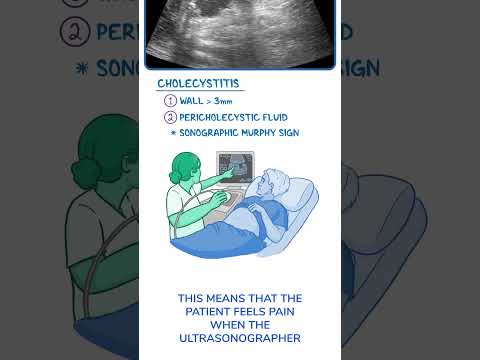
Now, how do you figure out if someone has this? Diagnosis usually involves imaging techniques. The most common is ultrasound because it’s safe for both mom and baby. They look at factors like:
- Thickening of the gallbladder wall
- Presence of fluid around the gallbladder
- Poor contraction response during a test called a cholecystokinin stimulation test
If ultrasound isn’t clear or there’s suspicion of complications like perforation or abscess formation, they might go for a CT scan or MRI. Gotta be sure before jumping to conclusions! These imaging techniques help doctors see what’s going on without putting anyone at risk.
When it comes to managing acalculous cholecystitis in pregnancy, things can get tricky since some treatments could pose risks to both mother and baby. Mild cases might be treated just with antibiotics and observation—keeping a close eye on any changes in symptoms. But if things look serious or there are signs of complications, surgery could be necessary.
Surgery during pregnancy isn’t as scary as it sounds though! It’s often done laparoscopically which is less invasive and usually has good outcomes. In fact, many women recover without issues afterward!
Wrapping up here: Acalculous cholecystitis in pregnant women isn’t just a random occurrence—it needs attention because untreated cases can lead to severe complications like sepsis or even affect the baby’s health. The key takeaway is awareness: early detection through imaging and careful management makes all the difference.
Understanding Acalculous Cholecystitis: Causes and Mechanisms in Clinical Science
Acalculous cholecystitis is one of those medical terms that sounds super complicated, but let’s break it down together. So, when we say “acalculous,” we’re talking about the absence of gallstones. Yep, this condition doesn’t come with the usual suspects that you’d think of when talking about gallbladder issues. Instead, it’s like a stealthy ninja version of cholecystitis.
The gallbladder is a little pouch that sits under your liver, and its job is to store bile—basically the stuff your body uses to digest fat. In acalculous cholecystitis, things go sideways even without those pesky gallstones. It usually happens in patients who are seriously ill or have undergone major surgery. Imagine being in the hospital for a long time; your body’s just not functioning at 100%, and that’s when this sneaky condition can strike.
You might ask, what actually causes this? Well, several factors come into play:
- Inadequate blood flow: Reduced circulation can lead to inflammation in the gallbladder.
- Infections: Certain infections can trigger this condition as well.
- Total parenteral nutrition (TPN): When patients are fed through an IV instead of eating normally, it can mess with their digestive system.
- Severe trauma or burns: These can stress out your body and lead to gallbladder issues.
- Cancer: Tumors near the gallbladder may also contribute to this problem.
Now here’s where it gets really interesting. The symptoms might not be as obvious as you’d expect. People often experience abdominal pain—though it might be more diffuse than with acalculous cases with stones—and they could have nausea or fever too. It’s like your body is sending out signals that something isn’t right but isn’t clear on what exactly.
When it comes to diagnosis, doctors lean heavily on imaging techniques since there are no stones to see on an X-ray or ultrasound. They rely on methods like ultrasound and CT scans to look for signs of inflammation or swelling in the gallbladder itself. This is crucial because catching it early can really change outcomes.
So why should you care about all this? Well, acalculous cholecystitis can lead to serious complications if not treated promptly. It often requires intervention like antibiotics or sometimes even surgery if things get out of hand.
Just remember that while medical terms might sound scary at first glance, breaking them down helps make sense of what could happen in our bodies—like understanding how our response when we’re not feeling well goes beyond simple symptoms; it’s all tied together by our overall health!
You know, I recently came across the topic of acalculous cholecystitis, and it really got me thinking about how our bodies can sometimes be these mysterious puzzles. Imagine going to the doctor because your stomach feels off, but there’s no obvious reason why—no gallstones to point to, which is usually the main suspect in these kinds of things.
So, acalculous cholecystitis is basically this inflammation of the gallbladder that happens without the usual gallstones showing up. That can totally throw a wrench in your diagnosis! You might be wondering how exactly doctors figure this all out. Well, that’s where radiology comes into play. It’s like having a secret set of glasses that lets you see what’s really happening inside someone’s body.
Various imaging techniques are used—like ultrasounds and CT scans—to look for signs of inflammation. The cool part is that these methods can help visualize things like thickening of the gallbladder walls or fluid around it, which are key indicators something’s up. It’s almost like being a detective, piecing together clues from those images.
Not long ago, I remember hearing a story from a friend whose relative was diagnosed with this exact condition. They had gone through multiple tests and still felt unwell until an astute radiologist caught the subtle signs on a scan. It was such an emotional rollercoaster for them! Just shows how vital those radiological insights are when something doesn’t fit into the typical mold.
But honestly? The challenge here is that diagnosing acalculous cholecystitis isn’t always straightforward. Sometimes symptoms can mimic other conditions, leading to delays in treatment. And that can be pretty scary!
At the end of the day, it reminds me just how important it is to trust your instincts when something feels off with your health and how all these scientific advancements play a role in making sense of it all. So yeah, next time you hear about radiology or gastrointestinal issues, just remember there’s so much more than meets the eye—literally!