Okay, imagine this: you’re chilling in your favorite hoodie, sipping hot chocolate, and suddenly it feels like July outside. What gives? That’s the crazy world we live in!
Climate change is real, and it’s kinda like that obnoxious friend who just won’t take a hint. The Enhanced Greenhouse Effect is making our planet warmer and it’s not just because we’re cranking up the AC.
You might think, “It’s just a little heat, right?” Well, it’s more complex than that! We’re talking about changes that affect everything from polar bears to your backyard garden.
So buckle up! Let’s unravel this wild ride of thermal trends together. You’ll see how our cozy planet is actually going through some serious ups and downs!
Understanding the Enhanced Greenhouse Effect: Its Role in Climate Change Dynamics
So, the enhanced greenhouse effect. Sounds a bit fancy, right? But it’s really all about how certain gases in our atmosphere trap heat. Let’s break this down.
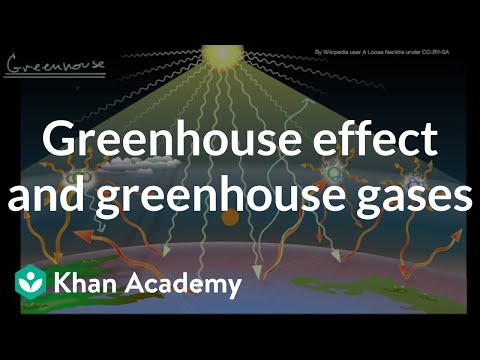
First off, you need to know that the greenhouse effect itself isn’t a bad thing. It’s like a warm blanket for our planet. Without it, Earth would be way too cold for us to live comfortably. The sun shines down, warms the surface, and some of that heat gets trapped by gases like carbon dioxide and methane. Pretty cool, huh?
But here’s where things get tricky. Because of human activities—like burning fossil fuels and deforestation—we’ve started adding more of these gases to the atmosphere than usual. This is what we call the **enhanced greenhouse effect**. The result? More heat stays in, making our planet warmer over time.
You know how you might feel really cozy under a thick blanket when it’s not even that cold outside? Well, the enhanced greenhouse effect is sort of like if you kept piling on blankets when it’s already warm. Eventually, you’re going to start sweating!
Now let’s talk about some key players in this game:
- Carbon Dioxide (CO2): This one comes from burning coal, oil, and gas. You also get it from cutting down trees—so less trees means more CO2 hanging around.
- Methane (CH4): Released during natural gas production and also from livestock digestion! Yup, cows are bigger culprits than you might think.
- Nitrous Oxide (N2O): A result of agricultural practices and industrial processes.
So why should you care about this? Well, those extra gases lead to rising temperatures—like global warming—but that’s just part of the story. As temperatures rise…
– Ice caps melt.
– Sea levels go up.
– Weather patterns get wacky.
Imagine living near a beach you’ve gone to since childhood only to find it disappearing as sea levels inch upward year after year—that’s pretty emotional stuff!
Also, with changing climates comes a shift in ecosystems. Some plants and animals can’t adapt fast enough and might face extinction. Think about your favorite pizza topping—if tomatoes can’t cope with the heat? Bummer!
To put it simply: the enhanced greenhouse effect is like cranking up the thermostat on Earth without any benefit of being cozied up at home during winter. It affects everything—from local weather to global ecosystems.
As we move forward in tackling climate change dynamics, understanding this concept helps us realize just how intertwined we are with our planet’s systems—and why it’s crucial to take care of them!
Exploring the Consequences of an Enhanced Greenhouse Effect: Impacts on Global Climate Patterns
The enhanced greenhouse effect is basically what happens when we add way too much greenhouse gas to our atmosphere. You know, gases like carbon dioxide, methane, and nitrous oxide? They trap heat from the sun. It’s like wrapping your planet in an extra cozy blanket – only it’s too warm and we’re not big fans of that.
So, let’s break down some of the real consequences of this whole situation. One obvious effect is global warming. With more heat getting trapped, average temperatures around the world are rising. It’s not just about feeling hotter in summer; it messes with the seasons and how nature works. For instance, spring comes earlier for plants and animals, which can totally throw off their cycles!
Another issue is extreme weather events. This means we’re seeing more hurricanes, floods, and heatwaves than ever before. These intense storms can cause devastating impacts on communities. Imagine a small town that relies on agriculture – a crazy flood could wipe out crops overnight! You follow me?
Let’s talk about ice caps for a second too. They’re melting! The polar ice caps are shrinking because warmer temperatures make them melt faster. This contributes to rising sea levels which can threaten coastal cities with flooding over time. Think about places like Miami or New Orleans… they might be standing on shaky ground if we don’t cool things down!
Also, there’s the effect on ecosystems. Animals and plants that can’t adapt quickly enough are facing serious threats; some could even go extinct! For example, polar bears depend on sea ice to hunt seals – less ice means less food for them.
And if you’re wondering about ocean health? The oceans are absorbing some of that excess carbon dioxide, but it leads to ocean acidification. When CO2 dissolves in seawater, it creates carbonic acid which harms coral reefs and marine life overall! So many creatures rely on healthy oceans for survival.
Now here’s where it gets a bit tricky—feedback loops. These are situations where one change causes another change that makes things even worse. Like when permafrost thaws; it releases more methane gas into the atmosphere which ramps up global warming even further—it’s like a vicious cycle!
But wait! There is hope here too. People around the globe are working hard to find solutions to combat climate change through renewable energy sources and conservation efforts. Seriously, every little bit helps!
So remember: the enhanced greenhouse effect isn’t just a scientific term; it’s having real effects right now across our planet—from weather patterns shifting to ecosystems struggling to adapt—and all this has serious implications for our future!
Let’s keep chatting about these topics because they directly affect us!
Examples of Human-Enhanced Greenhouse Effect: Insights from Climate Science
The enhanced greenhouse effect is, like, a big deal when it comes to understanding climate change. Basically, it’s us humans messing with the natural system by pumping extra greenhouse gases into the atmosphere. You know those gases that help keep the planet warm? Well, we’ve increased their concentration way more than what nature originally intended.
So, what’s the deal with the greenhouse effect anyway? Picture this: sunlight hits the Earth and warms it up. Some of that warmth escapes back into space, but certain gases in the atmosphere—like carbon dioxide (CO2), methane (CH4), and nitrous oxide (N2O)—trap some of that heat. This keeps our planet cozy. The thing is, since we kicked activities like burning fossil fuels and deforestation into high gear, we’re cranking up those greenhouse gas levels.
Let’s break down some examples of how this enhanced effect shows up in real life:
- Rising Global Temperatures: Since the late 1800s, average global temperatures have risen about 1 degree Celsius. That might not sound like much, but even a small shift can lead to significant changes in weather patterns.
- Melting Ice Caps: The Arctic sea ice is shrinking faster than a popsicle on a hot day! This not only raises sea levels but also reduces habitats for animals like polar bears.
- Ocean Acidification: Our oceans absorb a lot of CO2 from the atmosphere. More CO2 means more acidification, which messes with coral reefs and marine life. Think about how important those ecosystems are for fish populations and coastal protection!
- Extreme Weather Events: We’re seeing more intense hurricanes, droughts, and heatwaves popping up worldwide—yikes! These events are linked to changing climates caused by our extra emissions.
- Biodiversity Loss: As habitats change or disappear due to climate shifts—whether it’s warming or changing rainfall patterns—plants and animals struggle to survive or adapt. It’s really sad to think about species potentially going extinct because of us.
All these things connect back to our activities—you know? From driving cars to flipping on lights at home—it all adds up.
Now, let’s chat about one pretty emotional moment related to this whole topic. A couple of years ago, I watched a documentary featuring kids from low-lying islands facing serious threats from rising sea levels. They talked about having to leave their homes behind because of climate change—it hit me hard! I mean seriously; it’s easy to forget that behind all these numbers are real people living real lives affected by our actions.
In summary: the enhanced greenhouse effect isn’t just some dry scientific concept; it’s something that shapes our present and future every single day. So next time you think about your carbon footprint—or watch another extreme weather report on TV—remember how interconnected everything is!
You know, it’s pretty wild when you really stop and think about the enhanced greenhouse effect and how it’s linked to climate change. I mean, we all kinda know that our planet is warming up—like, have you noticed how some winters feel more like springs? A few years back, I was on a trip to the mountains with some friends. We were all pumped for snowboarding, but guess what? There was barely any snow! We ended up hiking instead, and while it was fun, it really hit me that something wasn’t right.
So, here’s the deal: the greenhouse effect itself isn’t inherently bad. It’s basically how our Earth keeps itself warm enough to support life. Sunlight hits the Earth, then some of that energy bounces back into space. But certain gases in our atmosphere—like carbon dioxide and methane—trap more of this heat than they should. Think of them like a thick blanket; the thicker it gets, the hotter you feel underneath.
Now this is where things get dicey. The enhanced greenhouse effect happens because human activities—burning fossil fuels for energy or cutting down forests—release way more greenhouse gases into the air than nature can handle on its own. This extra buildup creates more heat retention in our atmosphere. It’s like cranking up your heater when your room is already too hot, right? And we’re seeing some serious consequences: rising sea levels, extreme weather events, and changes in ecosystems.
It’s also kinda heartbreaking when you realize that vulnerable communities often bear the brunt of these changes even though they did little to contribute to the problem. Picture families losing their homes to floods or farmers struggling because their usual rainfall patterns are all outta whack. That makes me feel a bit helpless sometimes.
But hey, even though this sounds heavy—and it is—we’ve also got an opportunity here to rethink how we live and interact with our planet. People are getting creative! From renewable energy sources like solar and wind power to grassroots movements pushing for sustainable practices; there’s a buzz of hope out there.
So yeah, as we keep navigating these climate change dynamics together, it’s good to stay aware and engaged without feeling overwhelmed by negativity. Remembering that every little effort counts can make such a difference!