You know that feeling when you eat too much pizza and your stomach feels like an overinflated balloon? Yeah, we’ve all been there. But here’s the thing: your abdomen is way cooler than just a pizza receptacle.
Inside this squishy space are some seriously amazing organs doing their thing. It’s like a bustling little city down there, working 24/7 to keep you going. Ever thought about how all that stuff works together?
Let’s take a fun stroll through the human abdomen. We’ll peek at how your digestive system churns food into energy and why those grumbling sounds are totally normal. And who knows? You might end up appreciating that pizza even more next time!
Comprehensive Guide to Human Digestive System Parts and Functions: Downloadable PDF Resource for Scientific Study
The human digestive system is like this incredible, complex machine that’s always working hard to keep you functioning. We often take it for granted, but it plays a major role in breaking down food and absorbing nutrients. Here’s a closer look at the parts of the digestive system and what they do.
1. Mouth
This is where it all begins! When you take a bite of your favorite food, your teeth chew it up into smaller pieces. Saliva, produced by your salivary glands, mixes with food to help break it down. It contains enzymes that start digesting carbohydrates. You know that feeling when you can’t wait to eat? Your mouth gets ready even before the food hits, just by smelling it!
2. Esophagus
Once you swallow, the food travels down this tube called the esophagus. Muscles contract in waves (that’s called peristalsis) to push the food towards your stomach. Imagine a slide at a playground; gravity helps things move down smoothly!
3. Stomach
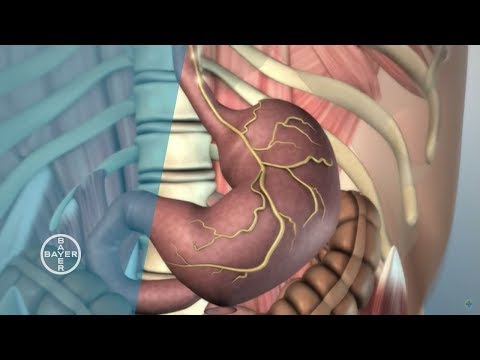
Now we hit one of the stars of digestion! The stomach is like a big mixing bowl filled with acid and enzymes. This powerful combo breaks down proteins and kills off pesky bacteria from the food you eat. It churns everything into a liquidy mush called chyme—sounds appetizing, right?
4. Small Intestine
After leaving the stomach, chyme heads into the small intestine—the **real MVP** of nutrient absorption! This long tube (about 20 feet!) has tiny finger-like projections called villi that help absorb sugars, amino acids, fatty acids, vitamins, and minerals into your bloodstream. It’s like having thousands of little gateways letting all those nutrients in.
5. Pancreas
Think of this as the chef behind the scenes! The pancreas produces enzymes that help digest fats and proteins in the small intestine and also makes insulin to regulate blood sugar levels. It works quietly but is crucial for digestion.
6. Liver
The liver does so many things—it produces bile to help digest fats and filters toxins from your blood! Bile is stored in your gallbladder until needed (so it’s kind of on standby). Ever heard about liver detoxes? Well, your liver already does its own detoxing naturally!
7. Gallbladder
This little pear-shaped pouch stores bile made by the liver until it’s needed for digestion—kind of like waiting for just the right moment to pour syrup on pancakes!
8. Large Intestine (Colon)
After nutrients have been absorbed in the small intestine, what’s left moves into the large intestine where water is reabsorbed and waste begins forming into stool. It’s shorter than its counterpart but so important for taking care of what doesn’t get used.
9.Rectum and Anus
Finally, waste makes its way out through these last stops: rectum stores stool until it’s time to go while anus controls when it’s released—it’s basically nature’s way of keeping things tidy.
So there you have it: an overview of how our amazing bodies turn food into fuel! Each part has its job—a bit like members in an orchestra—all working together harmoniously to keep you going strong each day! Isn’t nature just mind-blowing?
Understanding Digestive System Function: Key Processes and Their Importance in Human Health
Okay, so let’s chat about the digestive system, which is like this incredible machine inside you that breaks down food and gives your body what it needs. Now, you might not think about it much while munching on your favorite pizza, but trust me, it’s doing a lot of heavy lifting to keep you healthy.
The whole journey starts in the mouth. When you take a bite of food, your teeth chop it up into smaller bits. It’s kind of like using a blender but with way more saliva! That saliva isn’t just there for taste; it has enzymes that begin breaking down carbohydrates. Ever noticed how a piece of bread gets sweet if you chew it long enough? That’s those enzymes doing their thing!
Once you’ve chewed enough, the food travels down the esophagus, which is like a slide that connects your mouth to your stomach. You know how sometimes when you’re eating too fast, and it feels like the food is stuck? That’s probably just peristalsis—a fancy term for the muscle contractions that push food along. Seriously, your body is pretty smart.
The next stop is the stomach. Here’s where things get really interesting! The stomach has acid and more enzymes that continue breaking down food into this soupy mixture called chyme. Think of it as a whirlpool for your grub! And this acid also helps kill off any nasty bacteria hanging out with your lunch.
- Small intestine: After the stomach does its thing, chyme slides into the small intestine. This part is super important because most nutrients are absorbed here. It’s lined with tiny finger-like projections called villi that grab onto nutrients—like vitamins and minerals—and send them into your bloodstream.
- Liver & pancreas: While all this is going on in the small intestine, organs like the liver and pancreas are hard at work too. The liver produces bile to help digest fats while the pancreas releases enzymes for proteins and carbohydrates. They’re basically team players making sure everything runs smoothly!
- Large intestine: Finally, what’s left goes to the large intestine where water gets absorbed and what remains becomes waste. Your body takes care of itself by eliminating what it doesn’t need—how cool is that?
You might be wondering why all this matters for health. Well, if any part of this system doesn’t work right—like if you have low stomach acid or if something blocks your intestines—it can lead to health problems such as malnutrition or digestive disorders. For instance, think about irritable bowel syndrome (IBS); people with IBS often deal with uncomfortable symptoms because their digestive system isn’t cooperating properly.
The takeaway? Taking care of your digestive system by eating balanced meals rich in fiber—and drinking plenty of water—is key to keeping everything running smoothly! So next time you’re enjoying a meal, remember all those amazing processes happening inside you—it’s nothing short of miraculous!
Exploring the Four Essential Functions of the Digestive System in Human Physiology
Alright, let’s talk about the digestive system! It’s like this intricate machine we all have, working silently behind the scenes to keep us going. So, what are the four essential functions of this amazing system? Let me break it down for you.
First up is ingestion. This is where it all begins—literally! Ingestion means putting food into your mouth, chewing it up, and swallowing. It’s not just about stuffing your face with snacks; it’s when food first enters your body and starts its journey through the digestive tract. Can you remember that first bite of a juicy burger? Yum!
Then comes digeation. This part is super cool because it’s all about breaking down food into smaller pieces so your body can use those nutrients. Think of it like a blender for your meals. Your stomach churns everything up and uses acids and enzymes to turn that tasty burger into something your intestines can absorb. Imagine turning solid food into a smoothie—it’s kind of like that!
The third function is absorption. After digestion, it’s time for your body to take in all those good nutrients. Most of this happens in the small intestine, where tiny finger-like projections called villi help grab onto nutrients like vitamins and minerals. Picture a sponge soaking up water—that’s what villi do with nutrients! They make sure we get everything we need from our meals.
Finally, we have elimination. Once your body has soaked up what it needs from the food you ate, there’s some leftover stuff that isn’t useful anymore. That waste heads down to the large intestine where water gets absorbed again, turning what’s left into something solid—yes, I’m talking about poop! And then, well… you know how that ends—the grand exit!
This whole process is more than just physical—it can actually affect how you feel too! Ever had a bad tummy after munching on too much junk? That’s because if any part of this digestion train goes off track, it can really mess with our happiness levels too.
- Ingestion: The act of taking in food.
- Digeation: Breaking down food for easier absorption.
- Absorption: Nutrients entering our bloodstream through villi.
- Elimination: Getting rid of waste after nutrient absorption.
The journey through the human abdomen isn’t just fascinating; it’s vital for life! So next time you bite into something delicious or feel that post-meal slump, think about all the amazing things happening inside you!
Alright, let’s take a little trip through the human abdomen, okay? This is where all the magic happens. You know how when you eat a delicious meal—like a pizza or your favorite dessert—and you can almost feel your stomach working hard? Well, that’s just the start of an incredible journey inside you.
So here’s the deal: our abdomen houses quite the collection of important organs. You’ve got your stomach hanging out, doing its thing, mixing food with digestive juices. And then there’s the liver, which is basically a multitasking superstar. It detoxifies stuff and produces bile to help break down fat. Seriously! That’s like having a personal chef and bodyguard all rolled into one.
But wait; it doesn’t stop there! The intestines come next—small and large—taking on the tough job of absorbing nutrients and water from your food. It’s wild to think about how everything we eat gets transformed into energy right in there. I remember once getting super curious during biology class when we watched a video that showed how long our intestines are—you wouldn’t believe it! They can stretch over 20 feet when connected!
Then you’ve got the pancreas throwing in some enzymes and hormones like insulin into the mix. It’s kind of like an orchestra conductor making sure everything runs smoothly, so your body knows exactly what to do with all that energy from your meals.
Now let’s not forget about our friend, the spleen. It has this cool role in filtering blood and helps protect you from infections. Who knew such a small organ could be so important?
Sometimes I reflect on how interconnected everything is down there. Like when you’re feeling nervous or stressed out before giving a presentation—ever notice that knot in your stomach? That’s because your brain communicates with your abdominal organs through something called the gut-brain axis. Wild, right?
You know what really gets me thinking? The fact that all these organs work together every single day without us even realizing it. It’s like having an entire city buzzing away inside us, making sure we can enjoy life outside.
So yeah, whether it’s digesting those delicious tacos or processing emotions after binge-watching a series (been there!), our abdomen is constantly on duty, ensuring we’re healthy and energized for whatever comes next in life!