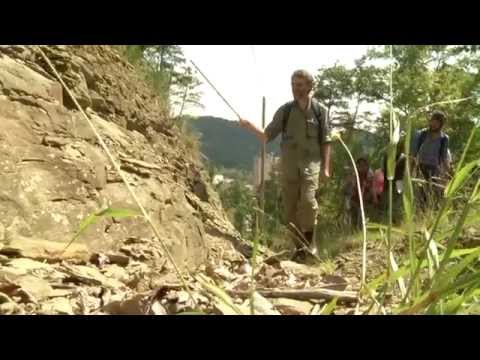
You know what’s hilarious? When people think geology is just about rocks and dirt. Like, come on! There’s so much more to it!
Have you ever stood on a bluff, looking out over the water, and wondered what made that cool-looking cliff right in front of you? Bluffs may look chill and steady, but they’ve got stories to tell—stories about our planet’s past.
Seriously, understanding bluff geology isn’t just for future geologists. It’s for anyone who likes nature and wants to get a peek behind the curtain of Earth Science. Trust me when I say that these natural formations can spark some serious curiosity! You’ll see how they fit into everything from climate change to ancient ecosystems. Pretty wild, huh?
So grab your favorite snack and let’s dig in—pun totally intended!
Exploring the Geology of Bluffs: Understanding Why Cliffs are Named as Such
So, let’s talk about those stunning bluffs you see towering over rivers and valleys. You know, those steep cliffs that catch your eye when you’re out in nature? They’re not just there to look pretty; they actually have a fascinating story to tell about our planet’s geology.
A bluff is essentially a type of high bank or cliff, often overlooking a body of water. The word itself can be traced back to old English, where it was used to describe something that juts out. But what really makes bluffs stand out from other types of cliffs are their steep faces paired with their relatively flat tops. This unique shape comes from geological processes that take place over millions of years.
The thing is, bluffs are usually formed through erosion and sedimentation—a fancy way of saying that soil and rock get worn away by wind or water and end up being deposited somewhere else. To break it down:
- Erosion: This happens when forces like rivers or waves wear away the rock or soil on a cliff face.
- Sedimentation: Over time, some of that eroded material might settle down at the base of the bluff, creating new layers.
This process can lead to some seriously cool geological features! For example, if you’ve ever stood on the edge of a bluff overlooking the ocean, you might notice different colored layers of rock. Each layer represents a different time period in Earth’s history—kind of like flipping through a geological photo album.
But don’t think all bluffs are created equal. Depending on where they’re found, you might see different types of rocks making up these majestic formations. In some areas, bluffs are made up mostly of sandstone or limestone, while others may feature volcanic rock. All these different materials tell us about how Earth has changed over time—talk about living history!
For anyone interested in earth science education (and who isn’t fascinated by rocks?), studying bluffs is super valuable! They serve as natural classrooms where students can learn about processes like erosion and how ecosystems thrive around these steep formations. I remember visiting a beautiful bluff with my school once; standing there listening to our teacher explain how each layer took thousands of years to form really gave me a sense of awe for nature’s power.
And let’s not forget about the biodiversity associated with bluffs! Many plants and animals thrive in these unique environments because they offer distinct habitats. Birds often nest in the ledges while mosses cling to damp areas—just another reason why understanding bluff geology is so critical for both ecological health and scientific study.
So next time you’re out hiking or just enjoying some scenic views, take a moment to appreciate those bluffs. They’re not merely pretty sights; they’re dramatic reminders of our planet’s history shaped by time and nature’s mighty forces.
Exploring Bluff Geology: Its Significance in Earth Science Education and Understanding
Bluff geology, you know, is a pretty cool part of earth science. It’s basically about studying the landforms that rise steeply from the surrounding area, kind of like those cliffs you might see while hiking. So why is it significant? Well, let’s talk about that!
Understanding Natural Processes
Bluffs are formed through natural processes like erosion and sedimentation. When rivers or waves hit the land over time, they wear away softer materials and leave behind these towering structures. You see, looking at bluffs helps us understand how landscapes evolve. It’s like nature’s own history book, showing us how powerful water and wind can be.
Learning About Ecosystems
Besides being a cool sight, bluffs support unique ecosystems. Plants and animals adapt to these steep areas differently because of factors like sunlight and moisture variation. For instance, cacti might thrive in one part while other plants prefer shadier spots. Exploring these ecosystems can teach students about biodiversity and how organisms interact with their environment.
Hands-On Education
Field trips to bluff sites? Totally awesome! Walking through these landscapes gives students a tactile experience they just can’t get from textbooks. Feeling the rugged terrain underfoot or seeing layers of rock up close makes it real. Students can even collect samples to examine later in class—like mini-scientists on an adventure!
Geological Time**
Think about this: bluffs often contain layers of rock that represent millions of years of geological history! Each layer tells a story—a kind of timeline you can literally see if you look closely enough. This visualization helps students grasp concepts like tectonic plates or sedimentary processes more effectively than just reading about them.
Climate Change Insights
Now here’s the kicker: studying bluffs also reveals clues about past climates. The sediments found in bluff layers can indicate what kind of environment existed when those rocks were formed. For instance, a layer rich in marine fossils shows that area was once underwater! Learning this helps students connect past events to current climate change discussions.
So anyway, bluff geology isn’t just about rocks; it’s a gateway to understanding our planet better! It’s hands-on learning that brings earth science alive—literally! The next time you’re near some impressive cliffs or slopes, take a moment to appreciate not just their beauty but everything they represent in earth science education! Isn’t nature brilliant?
Exploring Bluff Geography: Case Studies and Scientific Insights into Erosion and Landform Formation
Bluff geography is a pretty cool area of study, focusing on how bluffs are formed and how they change over time. A *bluff* is basically a steep cliff or bank, often seen along rivers or coastlines. They’re not just pretty to look at; they tell us a ton about the Earth’s history and how it keeps changing.
So, let’s get into what causes these bluffs to form. Erosion plays a huge role here. You see, water wears away rocks and soil gradually. It’s like nature’s way of sculpting the land. Rain, rivers, and even waves from the ocean can chip away at the edges of these landforms. Over years—sometimes centuries—you end up with these dramatic cliffs that we find so striking.
Now, talking about case studies can really highlight these processes in action. For instance, let’s take a look at the Mississippi River bluffs in the U.S. These bluffs have been shaped by years of river erosion and sediment deposition. As water moves downstream, it carries particles with it while also eating away at the bluff’s base, making them taller and steeper over time.
But erosion isn’t just about being harsh; it can actually be beautiful too! Think about the famous chalk cliffs of Dover in England—they’ve been slowly eroded by the sea for millions of years, creating stunning white cliffs that pop against the blue water.
When you consider how bluffs evolve, you realize that each one tells a different story based on its location and surrounding environment. The material they’re made from affects how quickly they erode; softer materials like clay will wear away faster than harder rock formations like granite or limestone.
Here’s where things get really interesting: **landform formation** is influenced by things like climate and human activity too! If you’ve ever seen photos of eroding coastlines where houses are perilously close to plunging into the sea—that’s human impact right there. So when we study bluffs, we also have to think about how we fit into this puzzle.
For education purposes in Earth science classes, exploring bluff geography gives students hands-on experience with geology and environmental science concepts. By visiting real-life examples—like those stunning sandstone cliffs found in Utah or California—students can directly observe erosion processes at work!
In summary:
- Bluffs are created primarily through *erosion*.
- The process takes place over many years due to factors like water flow.
- Real-world examples help illustrate these concepts effectively.
- Climate and human actions also play significant roles in shaping landforms.
So yeah, understanding bluff geography isn’t just about rocks; it’s something dynamic that connects us with nature’s artistry! Each bluff has its own character shaped by time and elements which makes learning about them super engaging—and definitely worth our attention!
You know, when we think about geology, we usually picture mountains, rocks, and maybe an adventurous scientist with a pickaxe, right? But there’s this fascinating part of geology called bluff geology. It’s one of those aspects that kinda sneaks up on you but can really change the way we understand our planet.
Bluff geology focuses on the way landforms, particularly bluffs (those steep cliffs or banks), tell stories about the Earth’s history. Like, imagine standing at the edge of a stunning high bank overlooking a river. The layers of soil and rock beneath your feet aren’t just random; they’re pages in a book! Each layer represents different periods of time—some formed millions of years ago while others are more recent. It’s sort of like a natural timeline that reveals how landscapes evolve due to things like erosion or sedimentation.
A few years back, I went hiking with friends near a beautiful bluff overlooking a lake. We were all taking selfies and enjoying nature when I stumbled upon some unusual rock formations in the cliffside. I thought they were just funky-looking rocks at first, maybe something cool to take home as a souvenir. But then someone pointed out how those formations could explain ancient sea levels and climate changes that happened way before our grandparents were even born! Pretty mind-blowing stuff when you stop to think about it.
In terms of education, bluff geology is super important for students—especially those who might not get the chance to explore traditional geological sites like mountains or valleys. These bluffs are often more accessible and right there in local environments! By studying them, students learn about processes like weathering and erosion in real-time—the kind of stuff that textbooks can struggle to convey with just words and pictures.
Imagine if every school trip involved visiting a local bluff instead of just another boring museum exhibit? Kids would be engaged; they’d see firsthand how geography shapes our lives and the environment around them. Bluff geology highlights the interconnectedness of Earth systems: water flow impacts soil structure; plants can stabilize slopes—and understanding these relationships is crucial for future scientists.
But it’s not all smooth sailing in educating people about it either! Some folks might overlook these bluffs because they don’t seem as glamorous as majestic mountain ranges or deep canyons. That’s where our love for exploring comes into play—reminding ourselves that beauty isn’t only tall peaks; it’s found in those subtle landscapes too.
At the end of the day, bluff geology isn’t just another branch of science—it’s a reminder that learning about Earth isn’t limited to textbooks or classrooms alone. It encourages curiosity in nature’s wonders while inspiring youngsters to dream bigger about their roles as caretakers for our planet. So next time you’re near some cliffs with interesting features peeking through vegetation or soil layers wishing you could go back to school—remember there’s so much waiting to be discovered right outside your door!