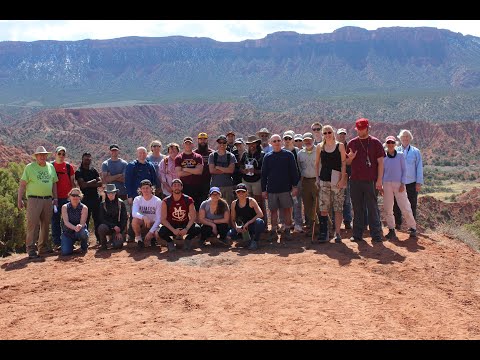
So, picture this: you’re hiking along some cool rocky formations, right? And your friend says, “Wow, look at that layered rock! I wonder how it got there.” You pause. The answer isn’t just a boring lecture about geology; it’s a story from millions of years ago!
Mesa geology is kind of like nature’s scrapbook. It tells tales of ancient landscapes and environments that once existed. Seriously, it’s fascinating! You might not think much about those flat-topped mountains when you’re snapping selfies or enjoying the view, but they hold a treasure trove of information.
And get this: when it comes to Earth science education, mesas are like VIP passes to understanding our planet’s history. They help us connect the dots between past and present in ways that textbooks just can’t.
So let’s dig into why these geological wonders matter and how they can make learning about Earth super exciting!
The Ecological Significance of Mesas: Understanding Their Role in Earth’s Geology and Biodiversity
So, mesas, huh? They might seem like just big flat-topped hills in the middle of nowhere, but they actually have a lot going on beneath the surface. You see, these geological formations play a pretty significant role in both Earth’s geology and its biodiversity. Let’s break it down.
First things first, what exactly is a mesa? Well, think of it as a hill that’s been wearing a flat hat for ages. The process that creates mesas is called erosion, where softer rock layers are worn down over time while harder layers resist. This creates that iconic flat top we see.
The ecological significance of mesas can be summed up with a couple of key points:
- Diverse Habitats: Because they sit higher up than the surrounding land, mesas often have different climates and ecosystems. This means you get unique plants and animals that might not live anywhere else!
- Water Runoff: When it rains, water runs off those flat tops into the valleys below. This can help create rivers and streams and support life around them.
- Erosion Patterns: Mesas tell us about past environments through their layers. If you dig down a bit, you can find clues about ancient climates and what life was like back then.
- Biodiversity Hotspots: Due to their unique conditions—like temperature changes from day to night—mesas can support species that are rare or endangered.
You know what’s really cool? The way all this plays into education! When scientists study mesas, they’re not just looking at rocks; they’re piecing together stories about Earth’s history and how different life forms adapt. Imagine standing on top of one and looking out over the landscape. It’s like being on nature’s own classroom!
I remember visiting Mesa Verde once; it was striking! The way ancient peoples adapted to living in those cliffs gives such insight into human ingenuity alongside natural forces. It made me think about our connection to the environment.
End of the day, these geological giants aren’t just there for looks—they’re crucial for understanding ecosystems and biodiversity patterns across the globe. So next time you see a mesa, remember: it’s not just a pretty sight; it holds secrets waiting to be uncovered!
Exploring the Interconnections: The Role of Geology in Earth Science
So, geology is like the backbone of Earth science. It helps us understand how our planet has changed over millions of years and why it looks the way it does today. You know, when you pick up a rock, you’re not just looking at a simple stone. Each rock tells a **story** about the Earth’s past.
Mesa geology, in particular, is super interesting. Mesas are those flat-topped hills or mountains that seem to pop out of nowhere. They form in arid regions and can give us a peek into the erosion processes that shaped them over time. When we study mesas, we learn about the different layers of rock which tell us about past environments—like ancient seas or deserts.
But here’s the kicker: understanding these geological formations can help inform lots of different fields! For instance:
- Climate studies: By examining sediment layers on mesas, scientists can figure out climate changes over time.
- Natural resources: Geologists look for water reservoirs or minerals hidden beneath those rocky surfaces.
- Earthquakes: Understanding fault lines associated with mesas helps predict seismic activity.
Like, I remember visiting a mesa once with some friends and we found fossils embedded in one of the layers. It was such a **buzz** to think that those little sea creatures lived there millions of years ago! That experience really hammered home how interconnected everything is.
Now, let’s take a step back and think about **why this matters** in education. Teaching kids about geology through hands-on experiences with mesas can spark their interest in science. Instead of just memorizing facts from textbooks, students get to explore real-world examples. They start asking questions like “How did this come to be?” and “What does this tell us about our environment?”
Plus, learning about geology feeds into other sciences too:
- Biology: Understanding soil types can show how plant life adapts to different conditions.
- Chemistry: The minerals found in rocks are directly tied to chemical processes within Earth.
- Physics: The forces that shape Earth’s surface connect to concepts like gravity and energy conservation.
And let’s not forget about the thrill of discovery! Every layer you uncover or each fossil you find is like piecing together a giant jigsaw puzzle of Earth’s history.
In summary, geology plays an essential role in Earth science because it connects various disciplines while providing critical insights into our planet’s past and future. Like finding out why your hometown looks the way it does or how ancient life forms adapted long before humans walked on Earth! So next time you’re out hiking near a mesa or even just picking up a rock at your local park, remember—you’re holding onto some pretty epic tales from our planet’s history!
Exploring the Geology of Grand Mesa: Insights into Its Unique Geological Features and Formation
Ah, Grand Mesa! It’s one of those places that really makes you stop and think about how the Earth has shaped itself over eons. Geologically speaking, this mesa is like a giant history book, showcasing layers and layers of rock that tell us about its past.
So, what exactly is a mesa? Well, it’s basically a flat-topped hill or mountain. Grand Mesa is the largest flat-topped mountain in North America. You could say it’s nature’s way of showing off its artistry!
The formation of Grand Mesa is tied to volcanic activity and erosion. Millions of years ago, this area was home to explosive volcanic eruptions. You can find remnants of these ancient lava flows in the rocks today—pretty wild, right? Over time, erosion from wind and water wore away softer materials around these lava deposits, leaving behind the impressive flat-topped structure we see now.
- Basalt Layers: The mesa is primarily composed of basalt—this dense volcanic rock results from those fiery eruptions I mentioned earlier. It’s typically dark and heavy.
- Stream Erosion: Streams and rivers coursing down the sides have further shaped the landscape, carving out deep canyons around it.
- Biodiversity: Despite being rocky at first glance, it supports a rich diversity of life—from aspen trees to wildflowers—thanks to varying elevations and climates on the mesa.
You might be thinking: “So what’s the deal with all this geology stuff?” Well, studying places like Grand Mesa helps scientists understand not just our planet’s past but also how geological processes work today. For instance, looking at how erosion shapes landscapes can teach us about soil conservation strategies that are super important for farming.
A fun little story: I remember hiking up to one viewpoint on Grand Mesa where I watched a storm rolling in over the valley below. It was like time-lapse photography in real life! You could see how different layers—some old and worn down while others were sharp and fresh—interacted with light as clouds moved through them. That moment really drove home how dynamic our planet is!
The geology here isn’t just about rocks; it’s an interactive classroom for anyone interested in Earth sciences. Students—and even tourists—can learn directly from nature’s pages by observing different geological features up close.
The beauty of places like Grand Mesa lies in their ability to connect us with Earth’s history in tangible ways. There’s something magical about walking on ancient ground while contemplating all those years gone by!
So, you know when you’re out hiking, and you see these massive flat-topped mountains just chillin’ in the landscape? Those are mesas! They kind of stand out, right? I remember one trip to the Grand Canyon where I stumbled upon a mesa—its layers were like pages of a book, telling stories of ancient rivers and volcanic activity. It was mind-blowing!
Mesa geology isn’t just about pretty views, though. It plays a crucial part in earth science education. These formations are like nature’s own textbook. The layers you see can tell you all sorts of things about Earth’s history—what kind of environment existed millions of years ago or how tectonic movements shaped the land over time.
When students study mesas, they learn about erosion and sedimentation too. These processes are super important for understanding how landscapes change over time. You might think it sounds a bit dry, but picture this: every mesa has unique stories written in its rock layers—fossils from ancient creatures, minerals that formed in specific conditions… it’s like sleuthing through time!
And here’s the thing: when kids get to explore these concepts through real-life examples instead of just hitting the books, it clicks for them. They start to see the connection between what they’re learning and the world around them. You can practically hear their brains buzzing with curiosity as they ask questions like, “How did that rock get there?” or “What would happen if this mesa eroded away?”
So yeah, mesas aren’t just cool geological features; they’re essential teaching tools for earth science education. They ignite curiosity and foster a deeper understanding of our planet’s history and processes. Each visit to a mesa can inspire the next generation of geologists or environmentalists! Cool thought, huh?