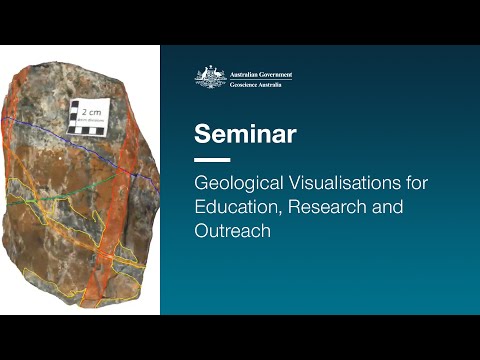
You know, once I was hiking with friends, and we stumbled upon these odd rock formations. Seriously, some looked like they were pulled straight from a sci-fi movie! We all paused, staring at them like we were trying to decipher an ancient code.
Turns out, those funky rocks are all about surficial geology. Yep! It’s the study of the materials on Earth’s surface and how they shape everything around us.
Now, you might be thinking: “Why should I care about dirt and rocks?” Well, it’s not just about what’s under our feet. Surficial geology tells us stories—like where rivers used to flow or how mountains got their shapes over millions of years. You get a glimpse into Earth’s history!
So let’s dig a little deeper into why understanding this stuff is vital for everyone—not just scientists in lab coats.
The Significance of Surficial Geology: Understanding Earth’s Surface Processes and Their Impact on Environmental Science
Surficial geology is all about the materials and processes happening right on Earth’s surface. It’s like the first chapter in a much bigger story detailing how our planet works. You know, think of it as peeling an onion—there are many layers to explore!
What exactly is surficial geology? Well, it’s the study of soil, rock types, sediments, and the processes that shape them. This includes everything from erosion to weathering and even human activities that change landscapes. These factors are crucial because they influence everything from plant growth to water quality.
One important aspect of surficial geology is understanding **erosion**. Imagine you’re at the beach, watching waves wash away sand. That’s erosion in action! It reshapes coastlines and can impact habitats for animals living in those environments. The movement of sediments can also affect water bodies nearby, altering their ecosystems.
Another key player in this game is **soil formation**. You know how different plants need different types of soil? Well, this is where surficial geology comes into play. The type of parent rock determines what kind of soil develops over time through processes like weathering and organic matter accumulation. Healthy soils support diverse ecosystems; without them, many plants wouldn’t thrive.
Also important is understanding **land use** changes caused by humans. When cities expand or farmland is developed, it impacts geological features like rivers and hillsides. Have you ever seen a construction site? Those big machines dig up earth and can lead to increased erosion if not managed properly.
There’s also the whole climate angle! Changes in climate can lead to shifts in **surface runoff**, meaning how water flows over land when it rains or snows. Different materials absorb or reject water differently—think about clay vs sandy soils! Understanding these differences helps environmental scientists predict floods or manage water resources more effectively.
Aside from all that nerdy stuff, surficial geology has real-world implications for **natural hazards** too! Landslides are often caused by poor land use practices combined with heavy rains on steep slopes. Knowing which areas are at risk helps communities prepare better and save lives.
Lastly, let’s not forget about education! Getting people excited about their local geology can inspire them to care for their environment more deeply. Whether it’s a school field trip to observe sediment layers or community workshops on sustainable land practices, outreach plays a big role here!
So yeah, surficial geology isn’t just some dusty subject hidden in textbooks; it affects us every single day! By understanding these surface processes better—like erosion, soil dynamics, land use impacts—we gain tools for protecting our environments effectively while navigating life’s challenges together.
In summary:
- Surficial geology studies Earth’s surface materials and processes.
- Erosion reshapes landscapes affecting ecosystems.
- Soil formation impacts plant growth and ecosystem diversity.
- Human activities change land use affecting geological dynamics.
- Climate influences surface runoff impacting flood management.
- Naturals hazards, like landslides, require geological awareness for safety.
- Education on local geology fosters environmental stewardship.
So next time you’re outside enjoying nature—or even just walking around your neighborhood—think about all the interesting stuff happening right beneath your feet!
Exploring the Interconnection Between Geology and Earth Science: A Comprehensive Overview
Okay, so let’s talk about geology and Earth science. You might be wondering how these two fit together, right? Well, the cool thing is they’re basically like best buddies in understanding our planet!
Geology is all about studying the Earth’s materials, structure, and processes. Think rocks, minerals, and how they change over time. It’s like being a detective of the Earth, piecing together clues from the past to understand what’s going on now. And that’s where Earth science comes into play—it covers a broader scope, bringing in things like climate, oceans, and even the atmosphere.
Now here’s where it gets interesting: one subfield of geology is surficial geology, which focuses on what we can see right at the surface—like soil types and sediments. You know those huge rocks you see when you hike? They didn’t just pop up outta nowhere! They tell stories about how glaciers moved or rivers carved their paths through land.
When we talk about surficial geology in Earth science outreach, it becomes a key player. Why? Because it helps connect people to their environment. Everyone can relate to soil beneath their feet or rocks in their backyard. It makes teaching about topics like erosion, landslides, and even fossils way more engaging!
- Erosion: This happens when wind or water wears away rocks or soil over time. Kind of like that slow chipper breaking down a big stone; eventually, it’s gonna wear it down!
- Landslides: These dramatic events can occur when gravity pulls rock and earth down steep slopes. Think of them as nature’s way of reshuffling cards!
- Fossils: Surficial geology allows us to find fossils embedded in sedimentary rocks at the surface. They give us clues about past life forms; it’s like opening a window into history!
You know that feeling you get when you find an old coin or toy in your backyard? That little rush of excitement is similar to what geologists feel uncovering ancient artifacts or fossils! Every stone has a story—every layer has something to tell us.
The interconnection between surficial geology and Earth science also serves an important role in helping us understand natural hazards—like predicting earthquakes or volcanoes—so we can better prepare for them.
Your local community might have programs focusing on this kind of outreach too! Seriously, visiting a nearby park with rock formations or attending workshops can deepen your appreciation for these natural wonders.
If you think about it this way: when we learn more about surficial geology through Earth science outreach initiatives, we become better stewards of our planet. We start looking at those layers beneath our feet with curiosity rather than indifference.
If you’ve ever walked along a riverbank or stared at cliffs carved by years of water flow and wind action—you’ve already dipped your toes into this fascinating world! So keep exploring those surfaces around you because they hold tons of secrets just waiting to be uncovered.
Exploring Surficial Geology: Enhancing Earth Science Outreach Through Engaging PDF Resources
Surficial geology is really the study of what’s going on at the Earth’s surface. It includes everything from soil to rocks to the layers of material that make up our planet’s top skin. So, why is exploring this topic essential? Well, it helps us understand processes like erosion, sedimentation, and how landscapes change over time. That’s right; our Earth is dynamic and ever-changing!
Now, when it comes to sharing this fascinating subject with others, outreach is key. Imagine you’re at a park with friends and come across a cool rock formation or a neat layer of dirt. Wouldn’t it be awesome if you could explain how that got there? That’s where good outreach materials come into play! Especially PDF resources that can be easily shared.
PDFs are great because they can include images, diagrams, and maps—everything needed to bring surficial geology to life! You can make these resources visually appealing yet informative. You could have sections about:
- The composition of different soil types: explaining how clay, sand, and silt affect plant growth.
- Landforms: detailing how glaciers shaped valleys or rivers carved out canyons.
- Erosion processes: demonstrating how wind or water wears down rocks over time.
Think about creating a simple infographic showing these key concepts. It makes complex information more digestible and, let’s be honest, way more fun! A well-designed PDF can turn a dense topic into something approachable for all ages.
Also, consider adding interactive elements. While PDFs are typically static, you could include links to videos or websites where people can dive deeper into specific topics if they feel curious. Maybe even quizzes or engaging questions to get folks thinking—like asking why certain areas have more erosion than others.
Now let me tell you about my friend Mia. She went hiking last summer and discovered some amazing rock formations near her home. Instead of just taking pictures and sharing them on social media like most folks do (not that there’s anything wrong with that!), she created a little resource showcasing what she had learned about those formations online in a PDF format! With clear images and explanations about their geological history, she helped her friends appreciate something they might ordinarily overlook.
Incorporating local examples like Mia did can really connect people to surficial geology in their everyday lives! You draw them in by making it personal—showing them that geology isn’t just some boring textbook stuff; it’s happening all around us!
Lastly, don’t forget collaboration! Teaming up with local schools or community centers means spreading knowledge wider than you’d think possible. Basically: create those PDFs together as projects; highlight areas of interest in your region; share them at events—that way everyone’s engaged.
So yeah—the goal is straightforward: enhance outreach through engaging resources so more people can appreciate what our planet has to offer right under their feet! It’s all about making connections between earth science and the world we live in today while having fun along the way.
You know, when we think about geology, we often jump straight to massive mountains or deep canyons. But there’s a lot happening right under our feet that doesn’t get the spotlight—like surficial geology. It’s kinda like that friend who’s always supporting you from the sidelines but never gets the credit. It sounds a bit technical, but don’t worry; I’ll break it down.
Surficial geology is all about the materials that make up the Earth’s surface. This includes soil, sediment, and all those little rocks that seem insignificant at first glance. Yet, they’re really important in understanding how landscapes form and change over time. You can think of them as pages in an ever-evolving storybook of our planet.
I remember one time during a school field trip, we went out to a local park to collect soil samples. Honestly, I didn’t think much of it at first; I was just excited to be outside with friends. But as we dug around and examined what was beneath us—a mix of clay, sand, and tiny pebbles—I started realizing how each layer told a different part of the Earth’s history. There were bits of fossils here and there too! That day clicked something in my mind; every little grain has its own story.
Now, why does this matter for Earth science outreach? Well, when we talk about surficial geology in simple terms to folks who might not have any background in the sciences, it opens up a door for them to connect with their environment directly. You can walk through any neighborhood or park and see these layers telling stories about past climates or ancient wildlife—how cool is that? It’s easy to relate because it’s right there under our toes.
Plus, understanding surficial geology helps with practical issues too. Think about erosion or natural disaster management—it all ties back to what’s going on at the surface level! When people grasp how these processes affect their homes and lives, they start caring more about their surroundings. They become stewards of their local environment rather than just passive observers.
So basically, surficial geology is like this hidden hero in Earth science outreach—it helps ground us (pun intended!) but also connects us emotionally to our planet’s narrative. By making it relatable and engaging through outreach efforts—like workshops or community projects—we empower people to appreciate not only what lies beneath but also how they impact and interact with their own backyards every single day. Isn’t that powerful?