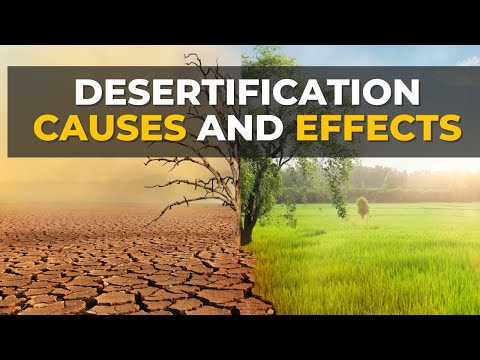
You know that feeling when you go to your favorite park, and it looks like someone just threw a tantrum? The grass is patchy, the trees seem sad, and it’s all kind of a bummer? Well, that’s land degradation for you.
So picture this: once lush fields turn into barren wastelands. It’s like Mother Nature had a rough day and forgot to take care of business. But seriously, land degradation is no laughing matter.
It affects our ecosystems big time—plants, animals, even us humans feel the pinch! There are some key things driving this mess we need to chat about. Let’s dig into what’s really behind this whole situation. Are you with me?
Exploring the 5 Key Drivers Behind the Nature Crisis: Insights from Environmental Science
The nature crisis is, like, a big deal these days. It’s not just about cute animals or pretty forests; it’s about the very systems that keep our planet livable. So, let’s break down five key drivers that are really pushing us toward this environmental breakdown.
- Deforestation: Cutting down trees might seem harmless, but it’s a huge contributor to land degradation. Forests are like the lungs of our planet. They suck in carbon dioxide and release oxygen while supporting countless species. When we clear them for agriculture or urban development, we lose biodiversity and upset ecosystems.
- Agricultural Expansion: Agriculture is essential for feeding the world, right? But when fields spread like wildfire into natural habitats, it disrupts everything. This leads to soil erosion and loss of nutrients because the land can’t recover fast enough. Picture a farmer trying to grow crops on worn-out soil—it’s not gonna end well for anyone!
- Overgrazing: Livestock grazing sounds like a natural way to use land, but when animals overgraze, they can really devastate grasslands. This leaves soil exposed and vulnerable to erosion. Imagine trying to walk on sand; it’s tricky! And without strong grass roots holding the earth together, it can all wash away in heavy rains.
- Urbanization: Cities are popping up everywhere! While they bring development and jobs, they also swallow up natural spaces. Concrete jungles create heat islands and reduce biodiversity as species lose their habitats. Think about how hard it is for animals to adapt when their homes vanish overnight.
- Climate Change: Last but definitely not least—climate change isn’t just an abstract concept; it’s affecting our ecosystems now! With rising temperatures and shifting weather patterns, many plants and animals struggle to survive in their adapted environments. And when that happens? You guessed it—ecosystem collapse!
So yeah, these drivers are interconnected like a web of consequences that impact each other more than we often realize. Tackling them means thinking globally while acting locally; it’s about finding balance between human needs and our planet’s health.
Key Factors Contributing to Ecosystem Degradation: An In-Depth Scientific Analysis
Alright, let’s take a look at why our ecosystems are taking a hit. There’s a lot going on, and it all boils down to a few key factors that can really mess things up. Like, think of it as a recipe gone wrong—the more you add of the bad stuff, the less tasty the final dish. Here’s what contributes to that degradation of ecosystems:
Deforestation is one of the biggest players in this game. Cutting down trees for agriculture or urban development destroys habitats and reduces biodiversity. Trees are like nature’s air purifiers, so when they’re gone, we not only lose homes for countless species but also essential carbon absorption.
Then there’s soil degradation. Over-farming or using harmful chemicals can turn rich soil into something that resembles dust. It loses its nutrients and structure, making it harder for plants to grow strong roots. Ever tried planting something in dry sand? It just doesn’t work well!
You can’t forget about pollution. When factories dump waste into rivers or when plastic chokes our oceans, it creates a toxic soup that affects everything from tiny plankton to massive whales. Pollution is like pouring salt into a wound; it makes things worse over time.
Climate change also plays a huge role. As temperatures rise and weather patterns shift, many plants and animals struggle to survive in environments they can’t adapt to quickly enough. Imagine trying to run through a marathon but the path keeps changing; frustrating, right?
Another sneaky factor is invasive species. These are non-native plants or animals that barge into ecosystems and start taking over resources meant for local species. Think about how an uninvited guest can hog all the snacks at your party—no fun for anyone else.
Finally, let’s talk about overexploitation, which includes things like overfishing or hunting too many animals. This unsustainable use of resources pushes certain species to their limits and can lead to extinction.
So yeah, ecosystem degradation is no joke! Each factor feeds into others like a vicious cycle, making our planet less vibrant with every passing day. If we want healthy ecosystems full of life and beauty—like those magical hikes through lush forests—we’ve got to be mindful about how we treat our planet!
Impact of Land Degradation on Ecosystem Health: An In-Depth Scientific Analysis
Well, land degradation is like this sneaky thief that steals the health right out of our ecosystems. You see, when we talk about land degradation, we’re basically referring to how the land gets worn down and less productive due to a bunch of factors. And these factors? They are pretty much driving our ecosystems into a corner.
So, what causes this mess? There are some key players here:
- Deforestation: Cutting down trees not only takes away habitats but also messes with the soil. Trees help keep the soil in place, and without them, you get erosion.
- Agricultural Practices: Intensive farming can deplete nutrients from the soil. Ever heard of monoculture? It’s when farmers grow only one type of crop over and over again, leading to poor soil health.
- Urbanization: When cities expand, they take away natural lands that once flourished with diverse plants and animals. Concrete jungles are no friend to biodiversity.
- Climate Change: Rising temperatures and erratic weather patterns can degrade land quality. Droughts can dry out soils while intense rains can wash them away.
Now let’s chat about why this is important. Healthy ecosystems provide so many services that we need to survive—like clean air, water purification, and food production. When land degrades, these services get compromised.
Just imagine walking through a lush forest; it’s like being wrapped in nature’s blanket. But when deforestation happens, that vibrant world changes drastically. Wildlife loses its homes; plants struggle to thrive under harsher conditions—it’s a domino effect!
Take one specific example: The Amazon Rainforest. It has been called the “lungs of the planet,” but deforestation has shrunk its size significantly in recent years. As trees disappear, so do countless species that call it home—forever altering that delicate balance.
And get this: when soils are degraded due to unsustainable practices or erosion, they often become less fertile over time. Farmers might have to use more chemicals and fertilizers just to get crops growing again—not exactly a sustainable solution!
So think about it—land degradation doesn’t just hurt an area or a region; it impacts global health too! The loss of biodiversity affects pollination rates which can reduce food availability for everyone!
In summary: Land degradation is serious business! It wears down ecosystems like an old shoe losing its grip on the ground. Protecting our lands means taking care of ourselves and future generations too! We’ve got to work together on better practices in agriculture, forestry management, urban development—everything plays a role here.
Land degradation is, like, one of those things that we don’t always think about in our daily lives, but it’s crucial for the health of our planet. Picture this: you’re walking through a beautiful forest, the sun filtering through the trees. Suddenly, you realize how important every part of that ecosystem is. But then, not far away, there’s an area stripped bare—trees gone, soil eroded. It’s kind of heartbreaking, isn’t it?
So, let’s break down what’s really going on here. One key factor driving land degradation is deforestation. People chop down trees for all sorts of reasons—urban development, agriculture, or even logging. And while it might seem harmless at first glance, cutting down trees has a domino effect on everything else. Without trees to anchor the soil, erosion happens way more easily. Seriously!
Then there’s agriculture itself. It may seem odd to call farming a bad guy here because we need food to survive. But intensive farming can deplete the nutrients in the soil over time and lead to desertification—where once-thriving land becomes barren and dry. I remember visiting a small farm once where they had been trying to rotate crops and use cover plants to maintain their soil health but still struggled against conventional methods that just take away without giving back.
Urbanization is another biggie! As cities expand, natural landscapes get paved over or turned into structures and roads. This leads not only to habitat loss for countless species but also disrupts local water cycles—a change that can have rippling effects throughout an ecosystem.
And don’t forget climate change! Rising temperatures and shifting weather patterns can worsen land degradation by making droughts more common or causing floods where they didn’t happen before.
But here’s the thing—you don’t have to feel powerless about it! There are ways individuals and communities can contribute positively by practicing sustainable land use or advocating for policies that protect natural spaces.
In short, we all play a role in this narrative about our ecosystems and land health. So let’s stay informed and share responsibility for this beautiful planet we call home!