Did you know deer can jump over fences like they’ve got springs in their legs? It’s wild! But you know what keeps them bouncing around with all that grace? Their spines!
So, let’s chat about deer spine anatomy. It might sound like a snooze-fest, but trust me, it’s cooler than it seems. I mean, who wouldn’t want to know how these animals are built for leaping through woods and dodging hunters?
Their spines are not just some boring bones. They’re a whole engineering marvel! Seriously! It’s like nature’s way of showing off. So sit tight; I promise we’re going to uncover some neat insights together.
Comparative Anatomy: Analyzing the Structural Differences Between Deer and Human Vertebrae
Okay, so vertebrae, right? They’re these cool little bones that make up the backbone of animals, including us humans and deer. Now, when we check out the comparative anatomy between deer and human vertebrae, it’s pretty wild to see how evolution has shaped these structures for different lifestyles.
The deer spine is designed for speed and agility. Imagine a deer bounding through the forest; it needs to be light on its feet. The vertebrae in a deer’s back are generally more elongated and have a different shape than ours. What this means is they can flex more easily, allowing for those rapid movements while avoiding predators. Their cervical vertebrae—those are the ones in the neck—are really interesting too. They typically have fewer vertebrae than us (only seven like humans), but their structure allows for greater neck flexibility.
- Cervical Vertebrae: In both humans and deer, there are seven cervical vertebrae, but their shapes differ significantly. Deer have adaptations that allow for their heads to move quickly while keeping balance.
- Thoracic Region: When you look at thoracic vertebrae—the ones connected to the ribs—you’ll see they’re built sturdier in humans because we need support for our upright posture. In contrast, deers’ thoracic region is more streamlined for running.
- Lumbar Vertebrae: Human lumbar vertebrae are thicker; we’ve got to support our weight while standing or sitting. Deer have more flexible lumbar regions since they need to jump and run fast.
- Tailbone: Oh, don’t forget about the coccyx or tailbone! Humans have a tiny one—it’s sort of like an evolutionary leftover—while deer have a longer bony structure that helps with balance.
You know what’s even cooler? When you compare how these shapes affect movement! Deer can leap with ease thanks to their flexible spine structure—like a ballerina on hooves! Remember seeing one hop over a fence? That’s all spinal engineering at work!
The fun part comes when you think about how our environments shaped these differences. Humans are built for endurance—think long-distance running—while deer are all about quick escapes from danger. It’s like nature saying “You do your thing; I’ll do mine.”
This analysis of deer and human vertebrae shows not just structural differences, but also highlights how adaptation works in real life. Just imagine if we had deer spines! You’d be cruising through fields instead of sitting at your desk!
The next time you see a deer leap effortlessly or feel your own back crack after a long day, remember: it all comes down to those awesome little bones called vertebrae!
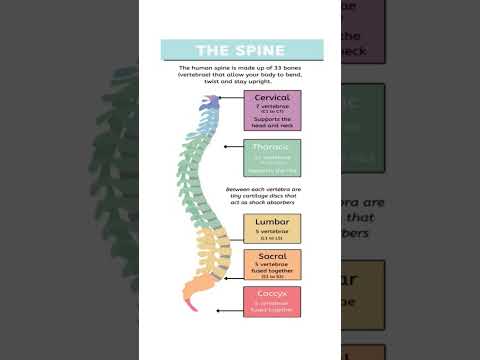
Understanding the Anatomical Significance of C7, T12, L5, S1, and C1 in Human Anatomy
You know, when we talk about human anatomy, we’re often diving into a world that’s both complex and super fascinating. Just think about the spine! It’s like the backbone of our entire structure—literally and figuratively! So, let’s break down some of the cool parts, specifically C7, T12, L5, S1, and C1.
First off, C7 is one of those cervical vertebrae that can be found in your neck. It’s like the one that sticks out a bit more than the rest when you tip your head forward. This little dude plays a big role in supporting your skull and giving you some mobility in that neck! It helps connect with various muscles and ligaments—seriously crucial for everyday movement.
Next up is T12, which is part of the thoracic vertebrae located in your upper back. This one supports a lot more weight since it’s lower down and helps protect vital organs like your heart and lungs. Imagine trying to lift something heavy; T12 helps keep everything stable while you do that! Plus, it connects to ribs, forming part of that protective rib cage.
Then we get to L5. This guy is sitting pretty at the bottom of the lumbar region—think lower back. It’s key for bearing weight during activities like walking or lifting things. You might feel a bit sore after a long day? Yeah, chances are L5 had quite a workout trying to keep you upright!
Now let’s chat about S1, which is part of your sacral region. This one connects with your pelvic bones and helps in transferring weight from the upper body down through the legs. It’s also essential for stability while standing or moving around—so pretty significant for all those dance moves or even just walking from room to room!
Finally, there’s C1—the first cervical vertebra right under your skull. Think of it as a ring-like structure called the atlas (funny name!). C1 allows your head to nod up and down smoothly—you know, all those times you agree with someone—or shake side to side when you’re not feeling it! Plus, this area has lots going on with nerves running through it.
- C7: Supports head movement; prominent in neck.
- T12: Protects vital organs; connects to ribs; stabilizes during heavy lifts.
- L5: Supports lower body weight; key for mobility.
- S1: Connects with pelvis; essential for stability.
- C1: Permits nodding motion; crucial for head movement.
The anatomy here isn’t just about bones but how these structures work together! Think about how often you move around daily without even realizing how much your spine does for you—it’s wild! Understanding these vertebrae ties into broader topics like deer anatomy too since they have similar structures supporting their movements during running or grazing.
This shared design across different species shows us how evolution has shaped them based on their environments.
This connection between human anatomy and animals really opens up an interesting conversation about biology as a whole—it makes learning so much fun!
Anatomical Insights into Deer Lumbar Vertebrae: Implications for Evolutionary Biology and Wildlife Management
Alright, let’s talk about deer lumbar vertebrae. You might be thinking, “Why should I care about the bones in a deer’s back?” Well, it turns out these bones tell us a lot about how these animals have evolved and how we can manage them better in the wild.
The lumbar vertebrae are the bones that sit in the lower back of deer. They’re really important because they support the animal’s weight, help with movement, and protect nerves that go to the legs and other parts of the body. Plus, they can give us clues about how fast or agile a deer might be.
So, what do we find out when we study these vertebrae? Here are some interesting points:
- Adaptation to Environment: Deer have evolved specific shapes and sizes of their lumbar vertebrae depending on where they live. For instance, deer in hilly areas may have longer vertebrae for better balance.
- Size Matters: Bigger deer tend to have larger lumbar regions. So if you see a massive buck, you can bet those bones are built for strength and endurance.
- Aging Indicators: The condition of lumbar vertebrae can also indicate age. Older deer often show wear and tear or changes in shape which signals their life history.
- Evolving for Survival: As environments change—like when humans develop land—deer populations may adapt by changing their spinal structure over generations. This affects everything from their speed to how they escape from predators or navigate through their habitats.
This brings us to wildlife management. Understanding how these anatomical features affect behavior is crucial for conservation efforts. If we know how the spine influences movement and survival strategies, we can better design protection plans. For example, it might inform hunting regulations or habitat improvement projects.
I once read about this team of biologists who monitored a herd for several years. They found that altering habitats impacted not only population size but also how these deer moved through landscapes—all connected back to their bone structure! Pretty cool stuff!
The bottom line? By studying deer lumbar vertebrae, we’re not just digging into some old bones; we’re uncovering insights into natural selection and adaptation that could help us protect these amazing creatures in changing times. Plus, it gives wildlife managers tools to keep populations healthy while trying to maintain ecological balance.
So next time you see a deer bounding through the woods, just remember: there’s more than meets the eye when it comes to those majestic animals—and it all starts with understanding their anatomy!
So, let me tell you a little story first. A while back, I was out hiking in a dense forest, just soaking up the beauty of nature. Suddenly, I stumbled upon a deer. It stood there, frozen for a moment before darting away. I couldn’t help but be in awe of its grace and speed. But what really got me thinking was the spine of that deer — how it supports its powerful muscles and helps it leap through the trees like a dancer.
Alright, let’s chat about deer spine anatomy. The thing is, it’s way more fascinating than you might think! A deer’s spine plays an essential role in its daily life. It’s not just some stiff column of bones; it’s dynamic and designed for action.
You know, a deer’s spine consists of vertebrae just like ours! But theirs are specially adapted to their unique lifestyles. For instance, cervical vertebrae are super flexible which allows them to turn their necks to munch on leaves or spot predators hiding in the bushes. They’ve got this amazing range of motion!
Then there’s the thoracic region – that part holds the ribs and protects the heart and lungs. Ever seen a deer take off? Those sturdy thoracic vertebrae help them take those massive leaps while ensuring they can breathe deeply as they sprint away from danger.
And let’s not forget about the lumbar region! This part gives them power; it connects their hind legs to their body allowing for explosive jumps and quick turns when they need to evade something chasing them.
Now here’s something interesting: if you observe how deer move through their environment, you realize how crucial flexibility and strength are for survival. Think about it; with every bounding leap or graceful glide, they’re relying on that spine to keep them balanced and agile.
So why does all this matter outside of just knowing cool deer facts? Well, understanding deer anatomy can help us learn about ecosystem balance too. Researchers study these creatures to see how they interact with their habitats. By knowing what makes them tick — or hop rather — we can better protect these beautiful animals and their homes.
At the end of the day, watching that deer sprint away reminded me that science isn’t always this dry list of facts; it’s alive and connects us to nature in unexpected ways. Whether we’re hiking through woods or just sharing stories around campfires, those insights into spinal anatomy aren’t just academic chatter—they remind us of the incredible lives running around us every day! Pretty cool stuff when you think about it!