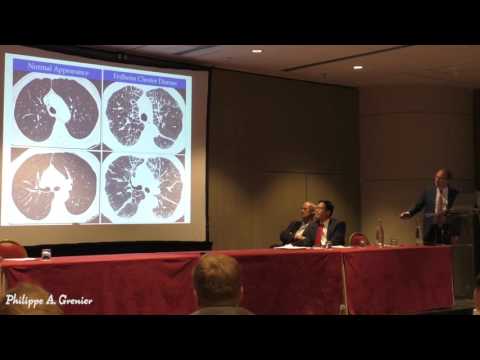
You know what’s wild? You can actually see the insides of your body without cutting it open! Yeah, that’s where radiology comes in. It’s like peeking under the hood of a car without taking out a wrench.
Now, let’s chat about something super rare: Erdheim Chester disease. Sounds fancy, right? It’s this sneaky condition that can be really tricky to diagnose. But guess what? Radiology is making leaps and bounds in figuring it out!
Imagine being part of a study that could change lives. That’s what’s happening right now with researchers diving into all the latest advances in radiology related to this disease. So stay with me; it’s gonna get interesting!
Radiological Insights into Erdheim-Chester Disease: Bone Manifestations and Imaging Techniques
So, let’s talk about Erdheim-Chester Disease (ECD) and how radiology plays a role in understanding it, especially the bone manifestations. ECD is a rare type of non-Langerhans cell histiocytosis. It can be pretty tricky to diagnose and monitor due to its diverse symptoms and manifestations.
One of the most prominent features of ECD is its impact on bones. Patients often experience a range of bone-related issues, which can be quite painful. This is where imaging techniques come into play—helping doctors see what’s going on beneath the surface.
CT scans are like the superhero in this scenario. They give super-detailed images of bones, allowing doctors to spot any abnormalities that may indicate ECD. You can think of CT as being able to “slice” through the body in different angles, revealing problems that might not show up otherwise.
- Bone lesions: In ECD, you might see bony cortical thickening, which basically means the outer layer of your bones becomes thicker than usual. This is like when a tree grows rings; the outside gets tougher over time.
- Skeletal involvement: The disease often affects long bones but can also involve other parts like the spine or pelvis. When looking at scans, doctors will usually pinpoint multiple areas with these bone changes.
- Imaging findings: The typical imaging findings for someone with ECD include osteosclerosis and sometimes even periosteal reactions. These terms might sound technical but they simply mean that there are hard areas forming on or around the bones.
MRI, or Magnetic Resonance Imaging, also lends a hand here. It’s great for observing soft tissues and gives detailed images without using radiation—hello, safer options! MRI can help identify how the disease affects surrounding tissues and further clarify involvement in regions like muscles or joints.
The thing is, these imaging techniques don’t just assist with diagnosis; they’re also vital for monitoring treatment response over time. By comparing scans pre- and post-treatment, doctors can figure out if therapy is working or if they need to adjust their approach.
Anecdotally speaking, I once met a guy who had been living with unexplained pain for years before getting diagnosed with ECD. He described how his initial X-rays looked “fine,” but when they did a CT scan later on, all sorts of details popped up—it was kind of like peeling back layers of an onion!
The combination of these imaging techniques allows healthcare professionals to get a comprehensive view of Erdheim-Chester Disease’s skeletal manifestations. Without advanced radiological methods, many cases would likely remain undiagnosed for way too long.
If you ever find yourself in this situation—or know someone who does—understanding what these imaging techniques reveal can provide clarity and maybe even some peace of mind!
Radiological Insights into Renal Involvement in Erdheim-Chester Disease: A Comprehensive Review
So, let’s talk about Erdheim-Chester Disease (ECD). It’s a rare condition that’s part of a group of diseases called histiocytoses. Basically, what happens is your body produces too many histiocytes, which are a type of immune cell. This can lead to all sorts of problems, including damage to different organs.
Now, when it comes to the kidneys, ECD can be pretty sneaky. Sometimes, people don’t even realize their kidneys are involved until it’s advanced. That’s where radiology comes into play because imaging is super helpful in spotting these issues early on.
Radiological Techniques
Doctors use various imaging techniques to look at the kidneys and see how they’re affected by ECD. Common methods include:
- CT Scans: These give detailed images of the kidney structure and show any abnormalities.
- MRI: Magnetic Resonance Imaging is great for viewing soft tissues and can help assess lesions or masses.
- Ultrasound: This is often used as an initial screening tool because it’s non-invasive and easy to do.
Each technique has its strengths and weaknesses. For example, while CT scans provide great detail of bone involvement (a common issue with ECD), MRI is better at showing soft tissue changes.
Kidney Involvement in ECD
When we talk about renal involvement, it usually means that the disease has started affecting kidney function or structure in some way. Some common findings include:
- Cysts or Masses: The kidneys may develop cyst-like structures or larger masses that need further evaluation.
- Renal Tubular Dysfunction: This could manifest as difficulty in concentrating urine or electrolyte imbalances.
- Fibrosis: As the disease progresses, tissues may become scarred leading to chronic kidney issues over time.
These findings can vary from patient to patient, which makes it tricky for doctors sometimes.
Here’s something interesting: sometimes renal involvement doesn’t show up until late-stage ECD. Imagine you’re feeling fine one day and then suddenly hit with severe symptoms! It’s kind of surprising how different the presentations can be.
The Importance of Early Detection
The key thing with radiological insights into renal involvement in ECD is early detection. If doctors catch these changes quickly enough, they might be able to intervene before major damage occurs. Think about this: if you spot a problem early on in your car engine instead of waiting for it to completely break down, you’ll save yourself a ton of trouble (and cash!).
Moreover, advancements in radiology have improved our ability to track changes over time as treatment progresses. This means doctors can keep an eye on whether therapies are working or if adjustments need to be made.
In summary, looking at how Erdheim-Chester Disease impacts the kidneys through radiology gives us valuable information about both diagnosis and treatment plans. With more awareness around this rare condition and its implications on renal health, hopefully we can make strides towards better care for those affected by it!
Erdheim-Chester Disease Pathology: Comprehensive Outlines for Understanding the Mechanisms and Implications in Medical Science
Erdheim-Chester disease (ECD) is a rare and unusual condition that falls under the category of histiocytoses. Basically, it’s a disorder where the body produces too many histiocytes, which are a type of immune cell. This overproduction can lead to inflammation and damage in various tissues and organs. People with ECD can experience a wide range of symptoms, making it pretty complicated.
One of the key aspects of ECD is its pathology. The disease primarily involves the accumulation of these histiocytes in different parts of the body, like bones, lungs, skin, and sometimes even the heart or kidneys. What’s interesting is that these histiocytes aren’t just hanging out there; they actually cause problems by infiltrating tissues and provoking inflammation. Imagine trying to fit too many people into a small room—things start to get uncomfortable really fast!
So, how do we detect this condition? Well, medical imaging plays a big role. Radiology advancements have made it easier for doctors to diagnose ECD early on. Techniques like CT scans can show those pesky histiocyte accumulations in bones or other organs quite clearly.
When it comes to understanding the implications in medical science, it’s crucial to recognize that managing ECD can be challenging due to its rarity and variability in symptoms. But here’s where researchers are making strides! They’re looking deeper into genetic mutations often found in patients with ECD, specifically mutations in the **BRAF** gene. This could lead to targeted therapies that might make treatment more effective.
Here are some key points about Erdheim-Chester disease:
- Symptoms: Patients may experience bone pain, skin lesions, or neurological issues due to organ involvement.
- Diagnosis: Histological examination confirms the presence of foamy macrophages; imaging techniques reveal characteristic patterns.
- Treatment: Options include chemotherapy or targeted therapy aimed at specific molecular pathways.
- Prognosis: It varies widely among patients; some manage well while others face serious complications.
And let me tell you about a personal story I read about someone named Sarah who struggled with ECD for years before getting properly diagnosed. She went from doctor to doctor without answers until finally someone recognized her symptoms as potential ECD after she had some strange patches on her skin combined with persistent bone pain. Her journey shows just how crucial awareness is when it comes to rare diseases!
To sum up (not officially summarizing though), Erdheim-Chester disease may not be super common but it definitely deserves attention within medical research circles. With ongoing studies focusing on better diagnostics and treatments through radiology advancements and understanding genetic factors involved in this condition, there’s hope for improved management options down the line!
When you think about the word ‘radiology,’ you might picture dark rooms filled with glowing screens and doctors peering at scans, trying to piece together a medical puzzle. But there’s so much more going on behind those images, especially when it comes to rare diseases like Erdheim-Chester disease (ECD). Man, that name alone sounds pretty intense, doesn’t it?
I remember hearing about a family whose lives changed completely because of this disease. Their little girl, only seven years old, started showing symptoms that were puzzling everyone. She looked fine but felt awful. It took several months and countless visits to specialists before they finally heard the words “Erdheim-Chester disease.” For them, those words carried both relief and fear. Relief because they finally had a name for what was happening; fear because this was something super rare and not well understood.
So here’s the deal: ECD isn’t exactly a household name in the medical world. It’s one of those rare conditions caused by excessive accumulation of macrophages—that’s a type of white blood cell—in various organs. The symptoms can be pretty varied—everything from bone pain to heart issues. And that’s where radiology comes in like a superhero with high-tech gadgets.
Advances in imaging techniques are making such a difference. The ability to use things like PET scans and MRI has led to earlier and more accurate diagnoses for patients with ECD. These scans let doctors see where those pesky macrophages are piling up without needing invasive procedures all the time. Imagine showing up for a scan instead of surgery; it’s like choosing the easy road on a video game.
But it’s not just about diagnosis; it’s also about understanding how the disease progresses or responds to treatment. As researchers dive deeper into this disease—and thanks to super detailed imaging—they’re starting to uncover patterns that could change how we think about treatment altogether. That gives hope not just for patients but also their families, who are often left feeling helpless.
Still, there’s so much we don’t know! There are ongoing studies looking into genetic markers and other biological factors connected with ECD, which might someday lead us down better pathways for treatment or even prevention.
It’s really something how radiology is evolving from being just another tool in the box to becoming central in research efforts for rare diseases like ECD. So yeah, next time you see an X-ray or MRI image, remember—it tells a story beyond what you can see right away. And when it comes to diseases as complex as Erdheim-Chester, that story is only just beginning!