So, picture this: back in 1887, a dude named James Blyth decided he wanted to harness the wind. He whipped up a wind turbine in his backyard in Scotland. Can you imagine the neighbors? “What the heck is that thing?” It must have looked like a giant pinwheel gone rogue!
Fast forward to today, and we’re spinning those pinwheels on a massive scale. Wind turbines are everywhere—on land, offshore, you name it. But have you ever thought about how all this started?
It’s wild how innovation can blow your mind—literally! Let’s chat about how the first wind turbine came to be and why it’s such a big deal for our planet now. You ready?
Understanding the Science Behind Wind Turbines: Principles and Theories in Renewable Energy Engineering
Wind turbines might seem like this high-tech marvel, but really, they’re just a brilliant way of tapping into the natural power of the wind. So, let’s break down how they work, shall we?
First off, you got to know that **wind is simply moving air**. It’s caused by the uneven heating of the Earth’s surface by the sun. Some areas heat up faster than others, and this difference creates pressure changes. The **wind then rushes from high-pressure areas to low-pressure ones**, and that’s what we capture with wind turbines.
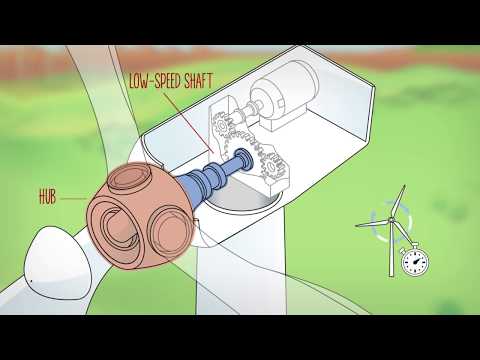
Now, about that turbine: it’s made up of a few key parts:
- Blades: These are shaped kind of like airplane wings. When wind hits them, they start to spin because of something called lift.
- Nacelle: This is like the heart of a turbine; it houses all the crucial machinery for generating power.
- Tower: It lifts everything up high where winds are stronger and steadier.
Here’s where it gets cool: as those blades turn, they spin a rotor inside the nacelle. This rotor is connected to a generator. And what do generators do? They convert that kinetic energy from spinning into electrical energy! So simple yet so smart!
About that first big breakthrough in wind turbine innovation: it was back in 1887 when **James Blyth**, a Scottish inventor, created one of the first working models. Can you imagine? He used it to power his home! Picture him living in his little cottage while everyone else relied on candles or oil lamps—what a genius!
So anyway, today’s turbines are much more efficient and designed using different theories in **aerodynamics and mechanics**. The newer designs also take into account how to maximize energy capture while minimizing wear and tear on parts.
But wait—there’s more! It isn’t just about making electricity; wind turbines also play a role in reducing greenhouse gas emissions. By replacing fossil fuels with clean energy from wind, we’re cutting down on pollution—and that really matters for our planet’s health.
Lastly, there are challenges too! Sometimes winds aren’t strong enough or are too gusty, leading to inconsistent power generation. Engineers constantly work on improving storage systems so we can use that wind energy even when it’s not windy outside.
Understanding wind turbines gives you insight into how renewable energy can lead us toward a cleaner future. Each spin of those blades is not just about producing electricity; it symbolizes innovation and hope for sustainable living! How cool is that?
The Pioneers of Renewable Energy: Unveiling the Architect of the First Wind Turbine in Science
In the early days of harnessing the wind, one name stands out: Daniel Halladay. He is often credited with creating one of the first practical wind turbines in the late 19th century. It’s quite fascinating when you think about it! Imagine back then, when people were just starting to understand how to channel nature’s forces to make their lives easier.
So Halladay wasn’t just tinkering in his garage; he was on a mission. His design was not only innovative but also efficient enough to pump water, which was super important for farming communities. You’re probably wondering how that worked, right? Well, he designed a turbine with a metal blade system that could catch the wind better than previous versions. This made it more durable and effective at capturing energy.
Now, let’s talk about why this matters. Imagine you’re living in a small town surrounded by fields and you need water for your crops but don’t have electric pumps yet. Halladay’s turbine could be your lifesaver! By using wind energy, farmers could irrigate their fields without relying on traditional power sources.
After Halladay, there were others who took this idea and ran with it—like Charles Fritts, who created an early solar cell and tried his hand at connecting these different forms of renewable energy. It kind of paved the way for all those cool modern technologies we see today!
To sum it up, without pioneers like Halladay blazin’ the trail, we might not have seen wind energy become such a big deal in our lives now. Their work opened doors that led to what we call renewable energy today—a blend of innovation and necessity that continues to shape our approach to sustainability.
- Daniel Halladay: Key figure in creating practical wind turbines.
- Pioneered designs that helped farmers with water pumping.
- Other innovators like Charles Fritts connected solar innovations.
- Their work laid foundational ideas for modern renewable energy.
And look—it’s not just history; it’s something that’s making waves right now! The design principles those guys established are still being refined today. From massive wind farms offshore generating power for whole cities to smaller turbines providing electricity for homes in remote areas—it’s wild how far we’ve come because of some real visionaries who saw potential where others saw just wind!
The Invention of the Windmill: A Scientific Exploration of Its Origins and Purpose
The windmill, like, really changed the game for how people harness energy from nature. Picture this: back in ancient times, when folks were struggling with food and power sources, they stumbled upon a cool idea—utilizing the wind! It’s pretty wild to think how something so simple became a major innovation, right?
So, windmills first took off in Persia around the 7th century. These early contraptions had vertical blades and were used mainly for grinding grain. Imagine being out there in the fields while this giant wooden structure spun and pumped out flour—it must have been quite a sight!
But why wind? Well, back then, people realized that harnessing natural elements could save them time and effort. Instead of manually grinding grains or pumping water, they could just let the wind do its thing. That’s like getting a personal assistant who works for free!
They also spread to other parts of the world quite fast. By the Middle Ages, you’d see them popping up in Europe too.
Can you picture those iconic Dutch landscapes filled with tulips and windmills? It’s stunning!
As technology progressed over time—hello Industrial Revolution!—the design of windmills evolved. The familiar horizontal-axis turbine we know today started taking shape in the late 19th century. Imagine engineers playing around with different shapes and sizes of blades to figure out which caught more wind.
So what’s their purpose? Apart from grinding grains and pumping water, they started being used to generate electricity in the 20th century! The idea was pretty straightforward: capture kinetic energy from the wind and convert it into electrical energy with a generator attached to those spinning blades.
And you know what? This innovation continues today as we seek cleaner energy sources. Wind power is becoming increasingly vital in combating climate change!
Just think about it: an invention from centuries ago is still helping us today by harnessing something as simple as moving air. It’s kind of poetic when you get down to it.
In short, wheels of history turning since ancient Persia show us how clever humans can be adapting to their surroundings! The next time you spot a wind turbine gliding gracefully on the horizon or spinning smoothly on a countryside hilltop, remember that it’s not just metal; it’s part of a long journey through time that started out as an ingenious solution using nothing but good old Mother Nature’s breeze!
Picture this: it’s the late 19th century, and people are buzzing about new inventions. The Industrial Revolution is in full swing, and everywhere you look, it seems like there’s a new gadget or gizmo changing the way we live. Among all those clanking machines and steam engines, one idea quietly emerges that seems almost magical: harnessing the power of the wind.
Yeah, that’s right. The first significant wind turbine wasn’t just some contraption thrown together by a tinkerer in a garage; it was a bold leap into the future of renewable energy! You might think of windmills as those cute structures in old paintings or maybe even something you see while driving through the countryside. But back then, they were crucial tools for grinding grain and pumping water.
The innovation that really kicked things off in terms of modern wind turbines came from a guy named Charles Fritts in 1888. He created a turbine designed to generate electricity from wind energy using metal blades and selenium—yeah, that stuff you hear about in solar panels! His design was pretty small potatoes compared to today’s giant turbines but still—it was groundbreaking.
What gets me is thinking about how Fritts must have felt when he saw his creation spin for the first time! Like, can you imagine being able to convert something as intangible as air into usable power? That moment had to be exhilarating yet terrifying because who knew if people would actually embrace this idea? Some folks probably thought it was all just hot air (pun totally intended).
Fast forward to today, and we’ve come such a long way from Fritts’ humble beginnings. Modern turbines tower over landscapes like sleek giants; they’re designed with advanced materials and technology that make them super efficient. We’ve learned so much more about aerodynamics and engineering since those early days.
But here’s where it gets interesting: while we’ve made huge strides technically, there’s still a sense of wonder around the concept of capturing nature’s force to create energy. Wind is free! Yup, free! And every time I see those big blades turning against the sky, I can’t help but think about how far an idea can take us when someone dares to dream big.
So yeah, next time you spot a wind turbine spinning away in the distance, take a moment to appreciate not just its size or efficiency but also that spark of ingenuity from over a century ago. It’s amazing how much has changed since Fritts’ first innovative step into harnessing the winds—proof that sometimes dreams really can change the world!