You know how you sometimes stub your toe and feel like the world is ending? Yeah, I’ve been there. It’s wild how something so small can turn your day upside down! But have you ever thought about what actually makes up that little toe? Or, like, all the bones in your foot that let you walk, run, or dance?
Your foot is like this intricate puzzle of bones. Seriously! There are 26 bones hanging out in there, just waiting to be discovered. It’s not just about the big ones you can see; it’s about all those tiny ones working hard behind the scenes. And trust me, learning about them can really make a difference if you’re into anatomy or just curious about how your body works.
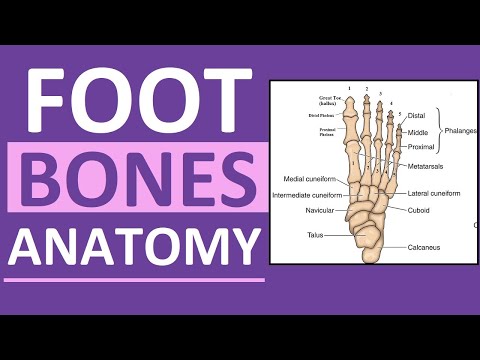
So, let’s take a closer look at this foot skeleton diagram together. It’s not just a fancy picture; it’s basically a backstage pass to understanding what keeps us on our toes—literally!
Understanding Foot Anatomy: A Comprehensive Overview of Tendons in Human Science
Understanding the anatomy of your feet is super important, especially if you think about all the things they do for you! The foot is a marvel of engineering, with bones, muscles, and tendons working together to keep you balanced and moving. So let’s break down this complex structure, focusing in on tendons.
Your Foot’s Structure
The human foot consists of 26 bones, which may seem like a lot, but each plays a crucial role. These bones are grouped into three parts:
- Tarsals: These are the seven bones that make up the back part of your foot. The talus bone connects to your ankle!
- Metatarsals: There are five of these long bones that run from your midfoot to your toes. They’re kind of like the pillars holding up the front part of your foot.
- Phalanges: These are the toe bones. Each toe has three phalanges except for your big toe, which has two.
The Role of Tendons
Tendons are tough bands of connective tissue that link muscles to bones. They play an essential role in how we move our feet—without them, well… it would be hard to walk!
Take the Achilles tendon, for instance. It’s one of the most famous tendons and runs from your calf muscle down to your heel bone (the calcaneus). This tendon helps you perform actions like jumping or running because it allows these powerful calf muscles to pull on the heel bone.
Then there’s the tibialis posterior tendon, which helps maintain the arch of your foot. This is super important for balance and stability when you’re walking or standing.
More About Tendon Functionality
Tendons work in harmony with muscles to create movement. When a muscle contracts, it pulls on its corresponding tendon, which then pulls on a bone at a joint—this pushing and pulling creates motion! Each tendon acts like a tiny rope that makes complex movements possible.
Let’s take flexor tendons. They help curl your toes downward when you need grip while climbing stairs or gripping uneven surfaces. Imagine walking barefoot over pebbles; those tendons are working hard!
Tendon Health is Key!
Taking care of these vital structures is essential. Overuse or injuries can lead to conditions like tendonitis (inflammation) or even tears. You might notice pain at first—it can feel like nagging soreness after lots of activity—and if ignored, it could lead to more significant problems down the road.
To avoid injuries:
- Stretching: Keeping those tendons flexible helps prevent strains.
- Strengthening Exercises: Building strength in the muscles around those tendons provides better support.
- Sensible Footwear: Wearing shoes designed for specific activities gives those tendons a fighting chance.
Knowing about foot anatomy—including those hardworking tendons—can really help appreciate how amazing our bodies are! It’s wild how every little part comes together for something as simple as taking a step or running after an ice cream truck!
So next time you walk barefoot in grass or kick off your shoes after a long day, give a little nod to all those bones and tendons working behind the scenes!
Comprehensive Guide to Foot Bone Anatomy: Understanding the Science Behind Human Skeletal Structure
So, let’s chat about something we all have but maybe don’t think about much—our feet! More specifically, the bones that hold them together. Your foot has a pretty complex structure, and understanding it can be like peeling back layers of an onion, you know?
Your foot consists of 26 bones grouped into three main sections: the hindfoot, midfoot, and forefoot. Each section has its own role and importance.
- Hindfoot: This is where you’ll find the talus and calcaneus bones. The talus sits right above the calcaneus (the heel bone) and forms the ankle joint with your tibia and fibula. These bones help with movement and weight-bearing.
- Midfoot: Here lies a group of bones called the tarsals. There are five of them: cuboid, navicular, and three cuneiforms (medial, intermediate, lateral). These guys help form your arch and provide flexibility.
- Forefoot: This part has 19 bones! It includes 5 metatarsals (the long bones in your toes) and 14 phalanges (the toe bones). They might be small, but they’re super important for balance and movement.
Now here’s something cool: Each bone in your foot connects to others with joints. Some joints allow a ton of movement—like those in your toes—while others are more rigid to give stability. Ever stub your toe? Ouch! That’s because those little phalanges are pretty important for keeping you upright.
A quick story: I once went hiking with friends. I was feeling good until I stepped on an uneven rock on a trail—it was like my ankle went one way while my foot went another! Turns out that’s because our ankle joint is designed to handle loads from all angles… but only up to a point!
The anatomy can get pretty intricate too. Ligaments connect all these bones together like tiny ropes holding everything in place. You’ve got ligaments that support your arches too; without them, well… walking would be quite the challenge.
Understanding everything going on down there gives insight into things like injuries or conditions such as plantar fasciitis (that annoying heel pain). Knowing how it all fits together helps us appreciate our feet more!
So next time you’re standing or walking around, take a moment to think about all those little bones working hard for you every day. Pretty cool stuff when you really break it down!
Understanding Foot Anatomy: A Comprehensive Study of the Bottom Structure in Human Biology
Understanding your foot anatomy is pretty cool and super important if you think about it. Your feet are like the foundation of a house; they support your whole body. So, diving into how they’re built can give you some neat insights into how you stand, walk, and run.
The human foot is made up of 26 bones, which sounds like a lot, right? But they’re all working together to help you move around. These bones are grouped into three main categories:
- Tarsals: There are seven tarsal bones in each foot. They include the talus, calcaneus (that’s your heel!), and others that help form the arch.
- Metatarsals: You’ve got five metatarsal bones connecting your toes to the rest of your foot. These guys help with balance and weight distribution.
- Phalanges: Each toe has three phalanges (except for the big toe which has two). They allow for flexing and gripping.
If you think about it, all these parts have their own special job. The tarsals absorb shock when you land on them while walking or running. The metatarsals distribute weight evenly across your foot, helping prevent fatigue. And those tiny phalanges? They give you that grip when you walk on uneven surfaces.
But let’s not forget about ligaments and tendons! Ligaments connect bone to bone and keep everything stable while tendons connect muscles to bones allowing for movement. For example, Achilles tendon connects your calf muscles to your heel bone—without it, you’d struggle to walk properly!
You might be surprised how much we rely on our feet without even realizing it until something goes wrong. Remember that time when a friend sprained their ankle? Suddenly simple things like walking became a huge deal! It’s fascinating how something so small can put us out of commission.
The bottom structure of the foot also includes arches, which act like shock absorbers too. You have three arches: the medial (on the inside), lateral (on the outside), and transverse (across the middle). These arches help distribute pressure across your foot as well as provide stability when you’re walking or running.
If we look at all this together—bones, ligaments, tendons, arches—it becomes clear just how amazing our feet really are! They’re complex structures working in harmony every day without much thought from us. Next time you’re out walking or playing sports, take a moment to appreciate all that goes into each step!
So, let’s chat about something that doesn’t usually pop up in casual conversations: foot skeleton diagrams. Yeah, I know, it sounds a bit dry, but hang on a sec! These diagrams can be surprisingly cool and super helpful for anyone studying anatomy.
Think about it—our feet do so much for us. They carry our weight and help us run, jump, and even dance like no one’s watching. It’s wild to realize how much complex structure is actually down there. A foot skeleton diagram lays it all out nicely. You’ve got 26 bones in each foot! That’s more than some people think are in the whole body! When you see them all labeled out, there’s this “aha” moment, you know? It makes everything click into place.
I remember when I first laid eyes on a foot skeleton diagram during my anatomy class. We had just spent forever discussing the different bones and their functions. Then boom! The diagram was like a light bulb going off in my brain. Suddenly, I could visualize how those bones worked together to create movement. It became clear how important each bone was for balance and stability—like tiny pieces of that intricate puzzle.
It doesn’t stop at just knowing the names of the bones either. For example, have you ever heard of the talus? It’s this little guy that sits atop your ankle and helps with movements like walking and running. Without a good diagram to reference it can be tricky to really grasp how everything fits together.
These diagrams are also vital for anyone looking to work in fields like physical therapy or podiatry. You’re not just memorizing; you’re building an understanding of how to help people when things go wrong down there with their feet.
And let’s not forget about the creativity involved! When students start drawing or taking notes alongside these diagrams, they’re making connections that stick way better than just reading from a textbook. It’s like telling someone else—like your friend at coffee—how all these bones work together rather than just cramming facts into your head.
In essence, while foot skeleton diagrams might seem simple or even boring at first glance, they’re actually key resources in anatomy studies that open up a whole new world of understanding our bodies better—and honestly? That’s pretty amazing if you ask me!