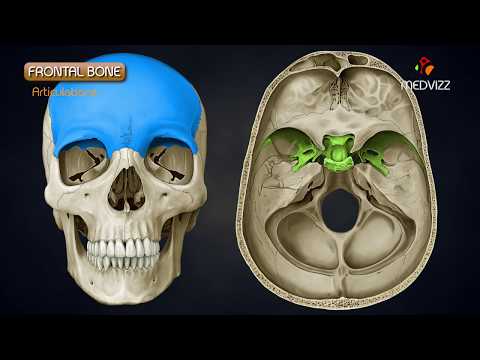
You know that feeling when you bump your head and suddenly get a headache? Well, a big part of that is your frontal bone. It’s like the front shield of your skull, and let me tell you, it’s got some stories to tell!
So, here’s the thing: Most people think bones are just there to hold us up. But the frontal bone? It’s way more than that. Seriously. It’s all about personality, emotions, and even how we think!
I once saw a kid at the park take a tumble right onto his forehead. Classic! He popped up, shook it off, and went right back to playing. But it got me thinking… if only he knew what was protecting his brain in moments like that!
Let’s dig into this awesome bone and discover why it matters so much in our lives—like, way beyond just keeping our heads safe from mishaps!
Implications of Frontal Bone Fractures: A Scientific Overview on Causes, Consequences, and Treatment Options
The frontal bone, you know, is that bone right at the front of your skull. It’s super important because it protects your brain and gives shape to your face. But sometimes, life throws curveballs, and you might end up with a fracture in that area.
Causes of Frontal Bone Fractures
Frontal bone fractures usually happen due to trauma. And when I say trauma, I mean things like car accidents or falls. Here’s how it generally goes down:
- You take a hard hit to the forehead.
- Or maybe you crash your bike and land right on your face.
- Sometimes even sports can do it—think about colliding heads in football.
These impacts can cause fractures that range from small cracks to more complicated breaks.
Consequences of Frontal Bone Fractures
Now, what happens after a fracture? Well, it’s not just about a bruise or a bump. There are actually some serious implications:
- Brain Injury: The frontal bone protects the brain, so if it fractures, there’s a chance you could injure delicate brain tissue.
- Cognitive Issues: Injuries can sometimes lead to problems with memory or decision-making because the frontal lobe is involved in those functions.
- Aesthetic Changes: A noticeable deformity can occur if the fracture shifts things around; nobody wants a crooked forehead!
I remember seeing someone who had fallen while climbing. Their forehead was all bandaged up, but you could see the worry in their eyes about how they’d look after recovery.
Treatment Options
So what do doctors do when someone has this kind of fracture? Treatment really depends on how bad the fracture is:
- Observation: For minor fractures without any major symptoms, doctors might just keep an eye on things.
- Surgery: If there’s serious damage or fragments need repositioning, surgery might be necessary—kind of like putting together a jigsaw puzzle!
- Pain Management: Pain relief is crucial since these injuries can be really uncomfortable.
It’s wild how something as simple as falling over can bring all these factors into play!
Overall, understanding frontal bone fractures helps us realize how much we rely on our skull for protection and structure. It’s important to treat any injuries there seriously—it’s not just about healing bones but also safeguarding our brains and overall wellbeing!
Age-Related Changes in the Frontal Bone: A Comprehensive Review of Cranial Aging in Human Anatomy
It’s pretty wild how our bodies change as we get older, right? One of those changes happens in our skulls, particularly in the frontal bone. This part of the skull is crucial since it forms your forehead and holds your brain snugly in place. Let’s break down what happens to this bone as you age.
The Frontal Bone: An Overview
The frontal bone is a flat bone that forms the forehead and the upper part of your eye sockets. It’s like a protective shield for your brain and plays a role in how your face looks. As we age, this bone can undergo some noticeable changes.
Age-Related Changes
As you age, bones generally lose density. This isn’t just true for the arms or legs; it applies to the skull too! The frontal bone can become thinner over time. Why does this matter? Well, a thinner bone might not offer as much protection as it once did. It could lead to an increased risk of fractures if you ever take a tumble.
Another change is that **the shape of the frontal bone** might alter slightly. You see, during early adulthood, it has a more rounded appearance. But with time, it can flatten out or bow slightly due to various factors like weight and other anatomical shifts.
Importance of These Changes
Why should you care about these changes? For starters, they might affect how doctors diagnose conditions or calculate risks during surgeries involving the skull. If they know how aging affects cranial structures, they can better plan for things like brain surgeries or even cosmetic procedures.
The Role of Lifestyle
Your lifestyle plays a big role here! Regular physical activity and good nutrition can slow down these age-related changes. Think about how many times you’ve heard that what’s good for heart health is good for bones too!
But here’s something interesting: research suggests that genetics also has its say in how our bones age—some folks just have bones that hold up better over time than others.
To wrap this all up—you’ve got this cool evolving story happening with one of your skull bones as you age. The **frontal bone**, while often overlooked in day-to-day conversations about aging, has its own unique journey while shaping not just our heads but also our lives as we go along!
Exploring the Frontal Bone: Fascinating Insights from Anatomy and Science
The frontal bone, huh? It’s one of those things we don’t really think about until we bump our heads. You know that feeling when you hit your forehead? Ouch! That’s your frontal bone getting some action. So, let’s break down this fascinating bit of anatomy.
First off, the frontal bone is the part of your skull that forms your forehead. It sits right above your eyes and extends back to about the middle of your head. Now, you might not realize it, but this bone plays a pretty big role in protecting your brain.
Protective Function
The main job of the frontal bone is to act like a helmet for your brain. It shields it from impacts and injuries. Think about it: whenever you trip or bump into something, that hard surface does its best to keep your precious gray matter safe.
But there’s more to it than just protection. The frontal bone also gives shape to our face! Ever seen someone with a really pronounced forehead? That’s thanks to how their frontal bone developed. It creates those lovely contours that make each person unique.
Construction and Growth
Now, here’s where it gets interesting. The frontal bone isn’t just one solid piece right from birth; it actually starts off as two bones during infancy! These two halves gradually fuse together as you grow older—typically by the time you’re around six years old.
This process can sometimes lead to variations in how prominent someone’s forehead appears. Like I said earlier, everyone’s different!
Sinus Connection
If you’ve ever had sinus issues or allergies, then you’re familiar with the space behind that frontal area! The frontal sinuses are air-filled spaces located within the bone itself. They help lighten the weight of our skull and also play a role in voice resonance.
If they get blocked or infected—oh boy—it can lead to some serious discomfort. You might notice pressure around your eyes or forehead when this happens.
Role in Speech and Emotion
Interestingly enough, studies suggest that regions near the frontal bone are connected to speech production and emotional expression. Can you believe that?! So, when you’re laughing with friends or trying hard not to cry during a movie? Partly thanks to how those areas near the frontal bone work together!
Oh, and speaking of emotions—did you know that certain facial expressions are linked with how our skull is shaped? Yep! People might react differently based on what their bones allow them to express visually.
In sum:
- The frontal bone protects our brain.
- It shapes our face.
- This bone starts as two parts during infancy.
- Frontal sinuses connect through it.
- It affects speech and emotions.
So next time you bump your head or admire someone’s facial structure, remember all the work going on behind that seemingly simple forehead! There’s a lot more beneath the surface than we often realize.
So, let’s chat about the frontal bone. Yeah, that’s the one that makes up your forehead, the one you probably don’t think about on a daily basis. I mean, when was the last time you looked in the mirror and thought, “Wow, what an impressive frontal bone I have!”? Probably never, right? But it’s actually kind of cool when you think about it.
The frontal bone is like the protective shield for your brain’s frontal lobes. You know those bits of your brain that help us make decisions, solve problems, and even control our emotions? Yeah, those! Without this bony guardian standing strong right there in front of our skulls, who knows what could happen to those vital functions?
I remember once during a science class in high school; we were learning about bones and how they connect with one another. My buddy Mike took an unfortunate tumble while goofing around and bumped his head pretty hard on a desk. There we were worried he might have done some serious damage to his frontal lobe—because that part of our brains really does run the show when it comes to things like reasoning and personality. Thankfully he was fine—just a little embarrassed! But it got me thinking how important this seemingly simple bone really is.
What’s interesting too is how it contributes to our appearance. Your forehead shape can influence people’s perceptions of you! Ever noticed how prominent brows might give off a strong vibe? It’s true; there are studies showing that facial features can impact first impressions.
And then there’s also a bit more anatomy behind this thing: The frontal bone houses your sinuses! Yep, those air-filled spaces that can turn into hassle central during allergy season or bad colds. They’re just hanging out up there above your eyes but play quite a role in keeping your head balanced in terms of weight and sound.
So next time you look at yourself or someone else and see their forehead, just remember: it’s not just skin-deep! That little piece of anatomy is doing so much more than just being there for selfies or fashion choices—it’s packing some serious significance behind its bumpy surface! Kind of cool when you look at it from this angle, huh?