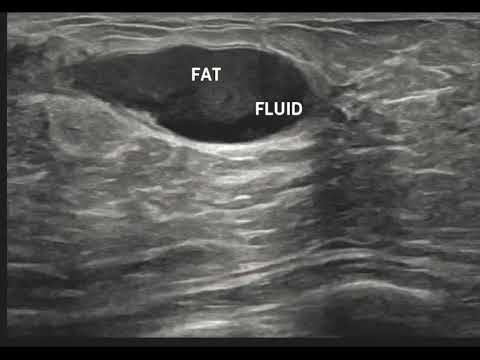
You know, the other day I was chatting with a friend about all those weird things that can happen to our bodies. Like, I mean, have you ever heard of a galactocele? Sounds fancy, right? But seriously, it’s actually just a milk-filled cyst that pops up in the breast—totally benign but can freak you out if you’re not prepared.
It got me thinking about how little we talk about stuff like this. I mean, everyone knows about regular cysts or lumps, but this one is like the secret club nobody wants to join.
So let’s break it down together! We’re diving into how doctors use radiology to figure out what’s going on with a galactocele and how they manage it. Trust me, it’s way more interesting than it sounds!
Understanding Radiological Techniques for Identifying Galactoceles: A Comprehensive Guide
Alright, let’s get into the nitty-gritty of galactoceles and how radiological techniques come to the rescue in identifying them. A galactocele is basically a cyst filled with milk that can form in the breast—like a little bubble of milk, if you will. It often happens during breastfeeding or when there’s a change in hormone levels. While these are usually harmless, proper identification is key, especially to rule out other conditions.
When it comes to figuring out if someone has a galactocele, radiological techniques play a major role. Here are some of the common methods used:
- Ultrasound: This is often the go-to method for diagnosing galactoceles. Ultrasound uses sound waves to create images of what’s happening inside the breast. It can help distinguish between solid masses and fluid-filled ones—like our galactocele! The fluid inside typically appears anechoic (which means dark on the ultrasound), making it easier to spot.
- Mammography: Although it’s not as effective alone for diagnosing galactoceles, mammography can still be useful. It may show an area of increased density in the breast tissue or even reveal calcifications nearby. However, because this technique uses X-rays, it might not always give as clear a picture as an ultrasound would.
- Magnetic Resonance Imaging (MRI): MRI provides detailed images and can help visualize complex cases where more information is needed. If a galactocele is suspected but not seen clearly on an ultrasound or mammogram, MRI can give doctors another look at what’s happening under the surface.
The cool thing about these techniques? They’re non-invasive! That means you don’t have to go through anything overly complicated just to get answers about that pesky lump or bump.
You might be wondering what happens next if they do find a galactocele. Well, treatment isn’t always necessary unless it’s causing problems like pain or infection. In some cases, healthcare providers might opt for aspiration—basically using a needle to drain that milk-filled cyst—relieving discomfort without needing surgery.
I remember a friend who was super worried when she felt something odd while breastfeeding. She thought it could be something serious! Turns out it was just a galactocele that resolved itself after some time without any need for intervention. It’s stories like hers that show how important understanding these conditions really is.
In short, knowing how radiologists use ultrasound and other imaging tools helps demystify those scary moments when you’re faced with potential health issues like galactoceles. So next time someone mentions diagnostic imaging for breast conditions, you’ll have a better grasp on what they’re talking about!
Optimal Treatment Options for Galactocele: A Comprehensive Review in Medical Science
Galactoceles, you know, are those little cysts filled with milk that can form in the breast tissue, usually during lactation. They happen when a milk duct becomes blocked or when there’s some trauma to the breast. While they’re often harmless and resolve on their own, sometimes they need a little medical attention. Here’s how we approach treatment and what radiological insights can help in managing them.
First off, diagnosis is key. Doctors might use ultrasound as the first line of imaging because it’s non-invasive and really good at identifying these cysts. If further detail is needed, something like MRI might come into play; it offers a clearer picture of the internal structures. Those images can help differentiate between galactoceles and other lumps or masses in the breast.
Now, let’s get into some treatment options:
Treatment decisions often depend on factors like size and symptoms associated with the galactocele. For example, I once heard about someone who had one that caused significant discomfort while nursing—after aspiration, she felt instant relief! It’s wild how such a simple procedure can change someone’s experience.
Also worth noting: in cases where there’s suspicion of infection or complications arising from a galactocele, antibiotics may be prescribed as part of the management plan.
So basically, while most galactoceles aren’t serious problems requiring intense intervention, having the right imaging tools allows healthcare providers to decide quickly how best to help you heal—and get back to your normal routine! Overall though those radiological insights really help in understanding what’s going on under the surface.
Understanding the Triad of Galactocele: Key Insights in Medical Science
Alright, let’s talk about this thing called **galactocele**! Sounds fancy, right? But basically, it’s a milk-filled cyst that can pop up in the breast tissue. Often, it happens in women who are breastfeeding, but not always. It could also turn up in women who aren’t nursing—so don’t think it’s just a breastfeeding issue!
A little backstory: imagine a new mom who’s super excited to feed her baby. But then, she notices a lump in her breast that feels kinda like a balloon filled with milk. That lump could very well be a galactocele. It’s usually harmless, but it sure can be alarming when you first notice it!
So what exactly is happening here? You see, galactoceles form when milk ducts get blocked or damaged. Then all that lovely milk has nowhere to go and just starts collecting. It’s like if you tried to fill up a water balloon but forgot to tie the end—eventually, you’ve got a big mess on your hands.
Now let’s break down some key insights about galactocele:
- Diagnosis: Doctors often use imaging techniques like ultrasound or mammography to diagnose these things. Ultrasound is particularly good because it can show whether the lump is actually filled with liquid or if it’s something else entirely.
- Symptoms: Most of the time, they cause no pain and might feel soft and mobile when touched. Some people may experience mild discomfort, but serious pain isn’t typical.
- Treatment: Treatment can vary! Sometimes doctors just monitor them, especially if they’re not causing any issues. Other times they may recommend draining the cyst if it’s big or painful.
- Mammograms: These imaging tests are crucial too! While they can show galactoceles as well, mammograms are generally more effective for detecting other potential issues in breast tissue.
The thing is, even though most galactoceles aren’t harmful, it’s still super important to get any new lumps checked out by a healthcare professional. You know how everyone says trust your gut? Well, that gut feeling might just save you some trouble!
A cool point is that there’s been more focus on understanding these cysts and how they relate to overall breast health in recent years. Like research suggests an increase in awareness around proper imaging techniques and managing unexpected findings during exams.
This is wild: some studies even talk about how hormonal changes during pregnancy or while breastfeeding can affect the likelihood of developing a galactocele. So all those hormones bouncing around—yeah, they create quite the party inside your body!
If someone experiences repeated galactoceles or has concerns over their development pattern—which happens rarely—it might signal an underlying issue worth exploring further with healthcare providers.
I hope this gives you a clearer picture of what a galactocele is all about! Although they sound intimidating at first glance—they’re really just part of the intricate workings of our bodies trying to do their job optimally. If there’s ever doubt or concern about any breast related issue? Always best to check in with someone who knows their stuff!
Okay, let’s talk about galactoceles. You might be wondering what that even is. Picture this: it’s a cyst that can form in the breast tissue when milk ducts get blocked. Kinda like when you’re trying to use a straw and it gets all gunky, and you can’t get that last sip? That’s sort of what happens here.
I remember when my friend had her first baby. She was super excited but then faced some hiccups with feeding. One day she found a lump in her breast and freaked out, thinking it was something worse. It turned out to be just a galactocele. Phew, right? But it really made me think about how essential it is to understand these things more—especially for new moms who are already juggling so much.
Now, the diagnosis part relies heavily on imaging techniques like ultrasound or mammography. You know, those fancy pictures doctors take to see what’s happening inside? An ultrasound is often the go-to because it’s pretty good at distinguishing between a galactocele and other types of lumps. I mean, who wouldn’t prefer something painless over a more invasive procedure?
And managing them can vary quite a bit. If someone finds one while nursing or shortly after giving birth, sometimes those babies just resolve on their own! But if they stick around or cause discomfort, there might be discussions about draining them or even surgery—though that’s way less common.
It’s kinda wild how our bodies work, huh? An innocent little blockage can create such worry but with the right info and action from the medical side of things, most people come away from the experience feeling relieved and empowered.
So if you find yourself worried about any lump—whether you’re nursing or not—don’t hesitate to get it checked out! Seriously! Getting that peace of mind is worth way more than stressing out alone. And honestly? Understanding these matters better could just spare someone else from unnecessary panic down the road!