So, picture this: you’re out hiking, casually enjoying nature, when you spot this funky green rock that’s just sitting there like “Hey, check me out!” You lean in closer and realize it’s not just any old stone. It’s greenstone!
Now, what’s the deal with that? Greenstone is like the cool kid of metamorphic rocks. It gets its color from minerals that totally give it a vibe all its own.
But it’s not just about looking good. These rocks have a story to tell—one about heat, pressure, and the magic of Earth transforming stuff over millions of years. Seriously! How neat is that?
Anyway, let’s dig in and get to know these geological marvels a bit better. You’ll never look at a rock the same way again!
Exploring Greenstone: Understanding Its Classification as a Metamorphic Rock in Geological Science
Greenstone is one of those geological wonders that often flies under the radar, but it’s really a remarkable metamorphic rock. You might be thinking, “What’s the big deal about greenstone?” Well, it’s all about understanding how this beauty forms and its significance in geology.
So, what exactly is greenstone? It’s a type of metamorphic rock that gets its name from its typical green hue. This color comes from minerals like chlorite and amphibole that are present in it. When you see a shiny piece of greenstone glinting in the sun, you’re looking at a rock formed under pressure and heat deep within the Earth.
Now, let’s get into how these rocks are classified:
- Formation: Greenstones primarily originate from basaltic volcanic rocks. They undergo metamorphism due to tectonic activity or magma intrusions. Basically, when these basalts get squeezed and heated over time, they transform into something new.
- Mineral Composition: The main minerals found in greenstone are chlorite, epidote, and actinolite. Each of these contributes to that lovely green coloration we see. Sometimes you can even find garnets which add a splash of red!
- Categorization: In geological terms, greenstones are typically classified as part of the greenschist facies. This classification reflects their formation conditions which aren’t too extreme—like they’re sitting on a comfy couch rather than being thrown into a high-pressure oven!
You know, every time I come across greenstone while hiking or exploring nature, I can’t help but think about how much history is locked inside those rocks. The story they tell goes back millions of years! They can often be found in ancient terrains where tectonic plates have collided or drifted apart.
An interesting fact: These geological marvels were especially abundant during the Archean eon when the Earth was still finding its footing. That’s around 2.5 to 4 billion years ago! Crazy to think how something so old is still around today, right?
If you ever come across a rock that looks like it just stepped out of an earthy rainbow with varying shades of green and textures that tell different stories about pressure and time—there’s a good chance it could be greenstone. And trust me when I say: rocks like these hold clues about our planet’s past.
The next time you’re out exploring nature or even just flipping through some geology pics online, keep an eye out for this cool metamorphic marvel called greenstone! Who knew rocks could be such fascinating storytellers?
Understanding Greenstone in Geology: Characteristics, Formation, and Significance
So, let’s talk about greenstone, a pretty fascinating topic in geology. Greenstone is actually a term that refers to a specific type of metamorphic rock. It gets its name from its characteristic green color, which usually comes from minerals like chlorite, epidote, and sometimes even amphibole. You get this striking hue during the metamorphic processes that transform parent rocks into something new and cool.
Now, the formation of greenstone is pretty interesting too. It typically occurs under conditions of low-grade metamorphism. This means that it forms when rocks are subjected to relatively low temperatures and pressures, compared to other types of metamorphic rocks. Imagine the way your old T-shirt changes when you wash it in hot water—it doesn’t turn into a brand new shirt but undergoes some significant changes. That’s kind of what happens to these rocks!
The parent rocks of greenstones can be various types like basalt or even sedimentary rocks. Over time, if these rocks are buried under layers of sediment or tectonic activity kicks up the heat and pressure, they start to change. This process may take millions of years! Can you imagine waiting that long for a rock to become something cool?
- Characteristics of Greenstone: As mentioned earlier, the green color comes from certain minerals. You’ll often find them with a mix of textures too—sometimes they look shiny or even slightly banded.
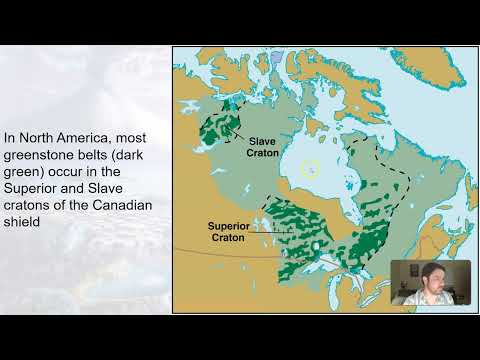
- Common Locations: You’ll mainly find these little marvels in ancient volcanic terrains. Places like Canada, Australia, and parts of Africa showcase some stunning examples.
- Significance: Greenstones can tell us a lot about Earth’s history! They hold clues about ancient volcanic activity and tectonic shifts.
This brings us to the significance part—greenstones are more than just pretty colors! They are super important for understanding geological processes. Scientists study them because they can reveal information about conditions on Earth millions of years ago. Like little time capsules! If you think about it, every time you see one, you’re kind of peeking into Earth’s distant past.
I remember once being on a hike near an old volcanic site where I stumbled upon some greenstones nestled between boulders. It was like finding treasure among ordinary rocks! I never knew how much history could be captured in something so simple yet vibrant.
You know, next time you’re out exploring or hiking, keep an eye out for greenstones! They’re not just pretty; they’re also reminders of how dynamic our planet really is—a little piece of geological art shaped over eons! So cool!
Exploring the Geochemical Potential: Is There Gold in Greenstone Belts?
So, let’s talk about this intriguing topic of gold and greenstone belts. You know, when you picture a gold mine, you might imagine deep tunnels or shiny nuggets sparkling in the sun. But have you thought about where that gold actually comes from? It all starts in places called greenstone belts.
Greenstone belts are fascinating geological formations, typically made up of metamorphic rocks. They’re usually pretty ancient—like, millions of years old! Basically, these rocks form from volcanic and sedimentary materials that get squished and heated over time. This process creates conditions ripe for certain elements to concentrate—gold being one of them.
So what’s the deal with gold hiding in these greenstone belts? Well, it turns out they can be super rich in minerals like gold, silver, copper, and more. When the conditions are just right—think super hot temperatures and intense pressure—the minerals can form deposits that are sometimes just begging to be mined.
Let’s break it down a bit:
- Formation Conditions: Greenstone belts usually form in tectonically active areas where plates collide and push against each other.
- Mineralization: During their formation, fluids circulate through cracks in the rocks, leading to mineral deposits.
- Ages: Many famous greenstone belts date back to the Archean era, which is over 2.5 billion years ago!
- Geological Examples: Places like the Abitibi greenstone belt in Canada have been significant for gold exploration.
When you think about it, these rocks tell a story written over eons! A memory tucked away beneath layers of time—kind of poetic if you ask me! And they’re genuinely important for miners looking to find their fortune.
The actual process of extracting gold from these rocks can be tricky though. Mining isn’t just digging up some dirt; it involves a lot of careful planning and science! You have to identify where the gold lies within those layers and figure out how to get it without destroying everything else around it.
Also interesting is how scientists study these areas using geochemical techniques. They analyze rock samples to look for signs that tell them where gold might lurk beneath the surface. This helps narrow down places worth exploring further!
And even if you’re not into mining or geology like some hardcore enthusiasts out there, it’s compelling stuff! These hidden treasures remind us how dynamic our planet is—it’s like nature’s own treasure hunt! Who knows what else is tucked away in those ancient formations?
In summary, greenstone belts are more than just cool rocks; they’re bursting with potential! Gold may very well be waiting inside if explored correctly. So next time someone mentions searching for treasure in some far-off land, think about those ancient geological marvels hiding right under our feet! You find something new every day if you’re willing to dig a little deeper—literally!
Greenstone metamorphic rock is one of those hidden gems in geology that feels like nature’s little secret. Seriously, when you think about rocks, you probably imagine something gray and dull, right? But greenstone tells a story that’s way more colorful. It’s like a surprise party your friend throws for you—unexpected but totally delightful.
These rocks are formed under high pressure and temperature from volcanic or sedimentary rocks. So, picture this: deep beneath the Earth’s surface, intense heat and pressure work their magic over millions of years. The colors can range from vibrant greens to darker hues, which is why they’re such a treat for both geologists and rock collectors alike.
I still remember the first time I stumbled upon some greenstone while hiking with friends. We were exploring this old quarry when I saw these shiny bits glimmering in the sun. My heart skipped a beat! It was as if I had found treasure hidden within the earth. That moment stuck with me because it perfectly captured how interconnected we are to our planet’s history.
What makes greenstone even cooler is its role in understanding Earth’s past. These rocks often contain minerals that can tell scientists about ancient ocean floors or volcanic activity from eons ago. Imagine being able to glimpse into a time when dinosaurs roamed the earth just by studying a rock! Pretty wild, huh?
And here’s something that might surprise you: greenstones are formative for certain types of gold deposits as well! So yeah, not only do they tell tales about our planet’s history, but they also play a part in the shiny stuff we all love.
In essence, greenstone metamorphic rock isn’t just another stone lying around; it’s a dynamic chapter of Earth’s narrative. When you start looking at the world through this geological lens, everything seems to come alive—especially those “boring” rocks! So next time you find yourself on a trail or by a riverbed, take a closer look at what you’re stepping over; nature might just be showing off one of its incredible masterpieces.