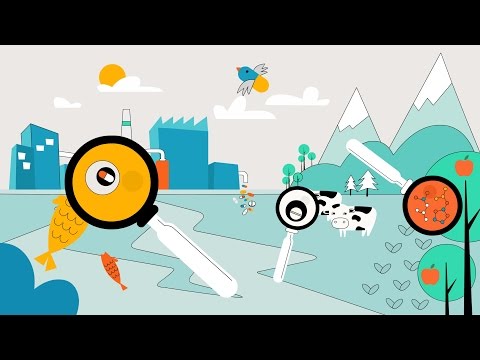
Did you know that your morning coffee might have a sprinkle of something unexpected? No, I’m not talking about cinnamon or a splash of milk. I mean, like, actual pharmaceuticals. Seriously!
Imagine sipping your favorite brew and thinking about all those little pills and potions that end up in our water systems. It’s a bit mind-boggling, right?
Pharmaceutical pollution is like that uninvited guest who just won’t leave the party. It sneaks into rivers and lakes and—voilà—it’s hanging out in wildlife, too. Ugh!
So, what gives? How does this happen, and why should you care? Well, let’s dive into the messy world of what our meds are doing to the planet. You follow me? Cool! There’s more to uncover than you’d think.
Addressing Pharmaceutical Pollution: A Critical Scientific Challenge for Environmental Sustainability
Pharmaceutical pollution is kind of a big deal these days. You wouldn’t believe how much medicine ends up in our environment, right? It’s not like we’re throwing pills out on purpose, but it happens. Every time someone takes medicine, some of it gets peed out and eventually finds its way into rivers and lakes. That’s just one small piece of a much larger puzzle!
Now, let’s break down what exactly pharmaceutical pollution is and why it matters. Pharmaceuticals include everything from pain relievers to antibiotics and even hormones. When they enter the environment, they can seriously disrupt ecosystems. Fish might end up with altered reproductive behaviors due to hormonal drugs in the water. Pretty wild, huh?
And guess what? This isn’t just a local issue; it’s global! Pollution doesn’t know borders. Research shows that traces of pharmaceuticals have been found in drinking water supplies around the world! How scary is that?
So how does this happen? Well, people take medications for various reasons—chronic illnesses, surgeries, you name it—and once those drugs have served their purpose, they usually are excreted from our bodies or improperly disposed of. Improper disposal can mean flushing them down the toilet or tossing them in the trash instead of taking them to a pharmacy for safe disposal.
The thing is, sewage treatment plants aren’t designed to filter out these compounds effectively. They can only remove certain types of pollutants. So many pharmaceuticals slip through and end up in waterways without anyone ever knowing it!
Let’s not forget about livestock either! Farmers often use antibiotics to promote growth or prevent disease in their animals. If those animals urinate or poop near waterways, guess where those meds go? That’s right—back into the environment! It creates a continual cycle that’s almost impossible to break.
There are some efforts being made to tackle pharmaceutical pollution though! Some scientists are looking into advanced wastewater treatment methods that could do a better job at removing these substances before they hit rivers and lakes. Green chemistry is another promising area; it’s all about designing products that are less harmful from the get-go!
Still, we need more awareness around this issue because every little bit helps! Think about your own medicine cabinet—when was the last time you checked for expired meds? And remember to dispose of them properly! We all can contribute to reducing this kind of pollution.
In summary:
- Pharmaceuticals enter ecosystems through human waste and improper disposal.
- Sewage treatment plants often can’t filter out these compounds effectively.
- Livestock using antibiotics also contribute significantly to this issue.
- Emerging solutions include advanced wastewater treatments and green chemistry!
So next time you hear someone mention pharmaceutical pollution, hopefully you’ll think twice about what goes down your drain—and how important it is to keep our environment clean for future generations!
Strategies for Minimizing the Environmental Impact of Pharmaceuticals: Effective Approaches in Science
You know, pharmaceutical pollution is like that unwanted guest at a party. It just shows up when you least expect it and sticks around way too long! So, let’s chat about how we can kick it to the curb and minimize the environmental impact of pharmaceuticals.
Understanding the Problem
Pharmaceuticals end up in our waterways from various sources—like human waste, manufacturing spills, or even people just flushing meds down the toilet. These substances can disrupt aquatic ecosystems. Fish and other creatures are impacted negatively. Some might even absorb these chemicals into their bodies!
Strategies to Tackle Pollution
- Improved Waste Management: One of the first steps is enhancing disposal methods for unused or expired medications. Instead of flushing them, communities should have take-back programs where you can return meds safely.
- Green Chemistry: This approach focuses on designing pharmaceuticals that break down easily in the environment. By using biodegradable materials in drug manufacturing, we reduce long-lasting pollution.
- Advanced Wastewater Treatment: Upgrading treatment plants to better filter out pharmaceuticals before they reach rivers and lakes is crucial. Technologies like advanced oxidation processes can break down these tough chemicals.
- Aquatic Monitoring: Regular monitoring of water bodies helps track drug levels in aquatic ecosystems. This data informs necessary actions to protect our environment better.
- Public Awareness: Educating people about the impact of improper disposal is key! Campaigns to inform on safe disposal practices can make a huge difference.
The Role of Research
If scientists could develop medications that are less harmful if they escape into nature, it would be a game changer! Research into genomics can help create drugs targeting specific diseases without affecting wildlife. Think about how awesome it would be if we could have medications tailored for humans while being low-risk for other species!
A Real-World Example
I read about a community initiative where schools partnered with local pharmacies to educate kids on disposing medicines properly. They had fun projects where kids made posters and held events! The excitement was contagious—everyone seemed more aware and responsible afterwards!
The Bigger Picture
This isn’t just about chemistry or biology; it’s about protecting our shared home! Working together—scientists, policy-makers, communities—we can create lasting solutions that not only fight pharmaceutical pollution but also promote overall environmental health.
The best part? By making these changes and staying informed, you’re part of this movement too! Small actions add up like crazy when we all pitch in!
Understanding Pharmaceutical Pollution: Impacts and Solutions in Environmental Science
Well, let’s talk about pharmaceutical pollution and why it’s a big deal these days. You know how people take medications for all sorts of reasons? From pain relief to managing chronic conditions, these drugs can really help. But what happens when they’re done with them? Sometimes they get flushed down the toilet or washed down the sink, and that can cause some serious problems for our environment.
When medications enter our waterways, they break down differently than you’d expect. They don’t just disappear! Instead, they linger in lakes, rivers, and even in drinking water supplies. Studies have found traces of pharmaceuticals in the water we use every day. Can you imagine taking a sip of your drink knowing there’s a tiny bit of something like ibuprofen or antibiotics in it? It’s unsettling, right?
Now, let’s dive into some impacts of pharmaceutical pollution. First off, aquatic life suffers greatly. Fish and other organisms are exposed to these chemicals constantly. Some fish have been found to exhibit unusual behaviors or even changes in reproductive systems due to exposure to these drugs. So you can see how this stuff isn’t just floating around without consequences.
And it doesn’t stop there! There’s also concern about how these pollutants affect ecosystems as a whole. When one part of the ecosystem is impacted—like fish populations—it ripples through the food chain. Eventually, this affects not just marine life but also birds and mammals that depend on clean water sources.
So what can we do about this? Well, there are some promising solutions out there:
- Proper Disposal: One simple step is making sure people dispose of medications correctly—like using take-back programs when they’re available.
- Water Treatment Innovations: Upgrading wastewater treatment plants to better filter out pharmaceuticals before they reach our waterways is crucial.
- Aware Consumption: Doctors can help by prescribing medications only when absolutely necessary and considering non-pharmaceutical options when possible.
- Research & Regulations: Encouraging more research on the effects of pharmaceuticals in ecosystems could guide future regulations that actually protect our waters.
It might feel overwhelming at times thinking about all this pollution. You might ask yourself if there’s hope for change—and seriously, there is! We’ve made strides in recent years with awareness campaigns and better regulations in some places.
Just remember that every little bit counts. By being more mindful about how we use and dispose of medications, we can keep our environment healthy for future generations while still ensuring that people get the treatment they need. So yeah, understanding pharmaceutical pollution isn’t just a science issue; it’s a community issue too!
Okay, so let’s chat about something that’s been buzzing around in the background but deserves way more attention: pharmaceutical pollution. You know, when you think about pollution, like, your mind might jump to plastic in the ocean or smog over cities. But what about all those tiny bits of medicine that end up in our water? Yeah, that’s a thing.
I remember this time I was hanging out by a river with some friends. The water sparkled under the sun, and it looked super inviting. But then someone mentioned how many pharmaceuticals wash down the drain every day—pills, creams, you name it. Suddenly the beauty of that river felt a bit tainted. Like, who knows what kind of chemicals are lurking beneath the surface? It’s a real buzzkill.
So here’s why it matters. When people take medications, their bodies can’t absorb everything. The leftover bits go down the toilet or get flushed from old prescriptions tossed in the trash—just like that! And guess where they end up? Yep, in our water systems and eventually back into nature. Some of these compounds can stick around for ages and even disrupt ecosystems. Imagine fish swimming through a cocktail of antidepressants or hormones—it’s a bit unsettling.
Researchers are working hard to tackle this problem because it isn’t just an environmental issue; it’s also about health risks for us humans too! If we’re drinking water that’s mingling with drugs intended for treating illness in people or animals, who knows how our bodies will react? That idea really gets under my skin.
But here’s the kicker: we can actually do something! You might think, “What can I do?” Well, there are safe ways to dispose of unused medications (like take-back programs) instead of just tossing them away. And being mindful about what we consume is key.
So yeah, pharmaceutical pollution is a challenge we can’t afford to ignore anymore. It affects not just our environment but also our well-being as individuals. Let’s keep that river sparkly clean for future hangouts and make sure we’re doing our part along the way!