So, let me tell you a little story. A while back, I was hiking with some friends, and we stumbled upon this massive boulder. I mean, it was huge! One of my buddies jokingly asked if it could be the set piece for a superhero movie or something. We all laughed, but then I thought, “Wait, what even makes that rock so big?”
That got me thinking about rocks and minerals. You know? Those ancient pieces of Earth’s crust just hanging out under our feet, telling stories from millions of years ago. They’re everywhere—all around us—yet most folks don’t give them a second thought.
But rocks and minerals? They’re like nature’s building blocks. Seriously! They shape landscapes, form mountains, and even influence our everyday lives more than you might realize.
So let’s take a little journey into this stony world! You might be surprised at what you find beneath the surface!
The Vital Connection: Exploring the Role of Rocks and Minerals in Earth’s Ecosystems
You might not think about rocks and minerals all that often, but they’re way more important than you’d assume. They form the foundation of our planet and are crucial for life as we know it. Seriously, let’s break it down.
Rocks Are More Than Just… Well, Rocks
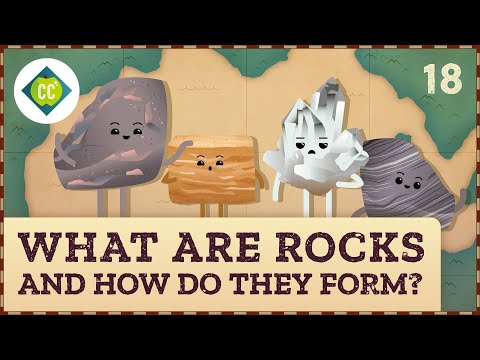
Think of rocks as the building blocks of Earth. They come in three main types: igneous, sedimentary, and metamorphic. Each type is formed differently but all play a part in shaping ecosystems. For example, **igneous rocks** come from cooled lava, like granite or basalt, which can make up mountains or ocean floors.
Minerals: The Tiny Powerhouses
Now, let’s talk minerals. These are natural compounds that give rocks their characteristics. You’ve got quartz, feldspar, calcite… the list goes on! Each mineral has unique properties that affect soil health and nutrient availability for plants.
- Nutrients: Many minerals provide essential nutrients to plants—stuff like calcium and potassium.
- Soil Formation: Weathering processes break down rocks into smaller particles that form soil.
- Water Retention: Clay minerals improve soil structure to hold water better.
The Rock Cycle – Nature’s Recycling System
Here’s where it gets really cool. The rock cycle shows how rocks transform over time through processes like erosion, melting, and pressure. When rocks break down into soil through weathering, they release minerals that nourish ecosystems.
Think about it: a tree grows in the soil nurtured by those very minerals from a long-ago volcanic eruption! Isn’t that neat?
Biodiversity Hinges on Rocks
Rocks also influence where plants can grow and thus determine what animals live in a region too. Some areas with certain rock formations support unique species you won’t find anywhere else. That’s why biologists study geology to understand these relationships better.
For instance:
- Limestone: Often supports rich plant life due to its high calcium content.
- <b.sandstone: Can create habitats in deserts that host specific organisms adapted to harsh conditions.</b.sandstone:
A Little Personal Story
I remember hiking once near some cliffs made of limestone. The diversity! I spotted birds nesting in crevices while wildflowers flourished nearby on the rocky surface. It hit me then how these seemingly lifeless stones were actually bustling with activity when you look closer.
The Impact of Mining and Human Activity
But let’s be real—the connection between rocks/minerals and ecosystems isn’t just sunshine and rainbows. Mining activities often destroy habitats and can lead to pollution affecting everything from water quality to plant growth.
We have to balance our need for resources with protecting these vital ecosystems because if we don’t? It could spell trouble for future generations— both human beings and all those amazing species out there!
So yeah, when you’re enjoying nature next time or even just admiring a rock by the road… think about its role in supporting life on Earth!
Exploring Geology: The Science Behind the Study of Rocks and Minerals
Geology is like the detective work of Earth, you know? It’s all about studying rocks and minerals to understand what’s beneath our feet. When you really think about it, every rock tells a story. Some have been around for millions of years, while others form in the blink of an eye. So, what’s the deal with rocks and minerals?
Rocks are divided into three main types: igneous, sedimentary, and metamorphic.
- Igneous rocks form from molten rock (magma or lava) cooling down. You know that feeling when you pour hot chocolate and it hardens? It’s kind of like that! Examples include granite and basalt.
- Sedimentary rocks come together from bits of other rocks or organic materials. You’ve seen those layered cakes, right? They build layers over time. Think sandstone or limestone.
- Metamorphic rocks start as one type of rock but transform under heat and pressure. Imagine mashing a cookie dough until it changes shape—pretty cool! Marble is a great example here.
Now let’s chat about minerals. They are the building blocks of rocks and have specific qualities you can measure. Each one has its own chemical composition and structure which gives it unique properties.
For instance:
- Quartz, which is super common, has this cool hardness that makes it perfect for making glass.
- Mica, on the flip side, is flaky and can be peeled into thin sheets—kind of like those old-school nacho cheese chips!
- Feldspar, another common mineral, makes up a big chunk of Earth’s crust—like seriously big!
But why study these rocks and minerals anyway? Well, they’re essential for everything from construction to understanding Earth’s history. For example, when geologists analyze sedimentary layers in cliffs or riverbeds, they can piece together climate changes over time—like reading a book where each chapter represents different eras.
There was this one time I went hiking in the mountains with friends—we stumbled upon some cool rock formations. I remember being amazed at how some were bright red while others looked pretty dull but held so much history! Oh man, just picturing them reminds me how fascinating geology can be!
Understanding geology helps us find resources too—like fossil fuels or metals used in technology. It even plays a role in predicting natural disasters like earthquakes by understanding tectonic plates.
So basically, geology isn’t just about rocks; it’s about connecting stories through time and space—an adventure into Earth’s past that helps us navigate our future!
Comprehensive Summary of Rocks and Minerals in Earth Science: Key Concepts and Characteristics
Rocks and minerals are like the building blocks of our planet. You might not think about them every day, but they’re everywhere and play a huge role in shaping the Earth as we know it. So, let’s break it down!
What’s the difference between rocks and minerals? That’s a common question. Minerals are naturally occurring substances with a specific chemical composition and crystal structure. Think of them like individual ingredients in a recipe. On the other hand, rocks are made up of one or more minerals mixed together, kind of like a full dish prepared from those ingredients.
Types of Rocks come in three main categories:
- Igneous Rocks: These form from cooled molten rock called magma or lava. If it cools slowly underground, you get granite; if it cools quickly on the surface, you end up with basalt.
- Sedimentary Rocks: These rocks are made from particles that have settled over time. Imagine layers of sand and mud piling up at the bottom of a lake—eventually, they turn into limestone or sandstone.
- Metamorphic Rocks: When existing rocks get subjected to heat and pressure, they change into metamorphic rocks. For example, limestone can transform into marble when it’s squeezed deep within the Earth.
Now let’s chat about minerals. There are thousands of different types! Here are some key characteristics that help you identify them:
- Color: This is often the first thing we notice about minerals, but be careful—it can be misleading! For example, quartz can appear in many colors.
- Luster: This refers to how light interacts with the surface of a mineral. Is it shiny like gold? Dull like clay? You gotta check!
- Hardness: The Mohs scale ranks minerals based on their hardness—from talc (very soft) to diamond (super hard). It helps us understand how resistant they are to scratching.
- Cleavage and Fracture: Cleavage is when a mineral breaks along flat surfaces; fracture is more random. Think about how glass shatters versus how you slice through an onion!
There’s so much more to explore in Earth Science when it comes to rocks and minerals! They tell us stories about our planet’s history—like how continents drifted apart or what’s going on below our feet right now!
When I was younger, I remember digging in my backyard for shiny stones—I thought I’d found treasure! Turns out they were just quartz pebbles. But it sparked my curiosity to learn that those “treasures” were part of something way bigger—the rocky crust beneath us.
So next time you’re walking outside or maybe hiking through nature, take a moment to look down at those materials under your feet. They’re not just dirt; there’s an entire world hidden within them waiting for you to discover!
Rocks and minerals, huh? It’s kinda mind-blowing when you think about it. I mean, these things are all around us, but do we really appreciate them? I remember a time when I was hiking with friends. We stumbled upon this massive rock formation. Seriously, it looked like nature had just stacked up a bunch of huge boulders as if they were Legos. And then we started talking about what they actually were—just rocks sitting there for who knows how long.
So rocks are basically the building blocks of the Earth. You can look at them like they’re the planet’s backbone or something. There are three main types: igneous, metamorphic, and sedimentary. Igneous rocks come from cooled magma or lava—like that crunchy top on a volcano you sometimes see in pictures. Metamorphic rocks form under heat and pressure; imagine taking a soft cookie and pressing it until it’s hard! Sedimentary ones are made from tiny pieces of other rocks or minerals that get squished together over time—like making layers of dirt in a cake.
And then there are minerals! These little guys are like the ingredients in your favorite recipe. Each mineral has its own unique properties, you know? Some shiny like diamonds, others dull and earthy like clay. They can sparkle in the sunlight or be as common as dirt (literally). They make up the rocks we see every day.
When I think about this connection between rocks and minerals and our everyday lives, it kind of blows my mind! Everything from the buildings we live in to the gadgets we use is linked back to these humble earth materials. Just imagine that granite countertop in your kitchen—it comes from ancient volcanic activity!
And here’s something really intriguing: Every time you pick up a rock, you’re holding onto millions of years of history—layers upon layers of stories written by nature itself. It makes me feel kinda small but also connected to something way bigger than myself.
Anyway, next time you’re out for a walk or hike, take a moment to stop and really look at those rocks around you. Feel them with your hands; let yourself appreciate their texture and weight. Who knows what kinds of adventures they’ve been through? They’re not just ordinary stones—they’re Earth’s very foundations!