So, you know how some people have a knack for locating snacks in the fridge, even with their eyes closed? Well, bat ears are like a gourmet version of that skill! Seriously, these little creatures have some of the coolest ears in the animal kingdom.
Imagine singing a lullaby to a friend who’s blindfolded and then discovering they nailed where your voice is coming from—just by listening! That’s kind of what bats do every day with echolocation.
Their ears aren’t just for show; they’re finely tuned instruments that help them navigate the night sky. How cool is that? Let’s take a closer look at these fascinating structures and see how they work their magic in finding food and avoiding obstacles. You in?
Echolocation in Bats: The Role of Auditory Perception in Navigation and Hunting
Bats are pretty amazing creatures. They’ve got this cool ability called echolocation, which is basically how they “see” in the dark. Imagine flying around at night, dodging trees and catching bugs, all without being able to see. That’s what these little guys do!
So, here’s the deal: bats emit high-frequency sounds that are too high for humans to hear, and then they listen closely to the echoes that bounce back. The time it takes for those echoes to return tells them how far away something is, and the changes in pitch help with figuring out shapes and sizes. It’s like having your own sonar system!
Now, you might be wondering about their ears. Bat ears are specially designed for this super hearing. The anatomy of a bat’s ear plays a crucial role in echolocation. The ears can be quite large relative to their body size! This helps them capture even the faintest echoes. So when they send out those squeaks or clicks, their ears pick up the sound waves bouncing back.
- Inner Ear Structure: Bats have a unique inner ear structure that is sensitive to high-frequency sounds.
- Pinna Shape: The folds and curves of their outer ears (pinnae) help direct sound into the ear canal.
- Frequency Modulation: They can adjust the frequency of their calls based on what they’re hunting.
Let me tell you about something cool I read once! There was this study where researchers watched bats catch insects mid-flight using echolocation. It was like watching an aerial ballet! They were practically pinpointing insects just based on tiny sounds bouncing off them.
But it’s not just about finding food; echolocation also helps bats navigate through complex environments like forests or caves. Imagine flying through a crowded room made of furniture; you’d need some skills to avoid bumping into stuff.
Auditory perception is key. Bats can distinguish between different echo patterns, which helps them figure out what objects are around them—like trees or other bats—and even how fast they’re moving toward those objects.
Another interesting fact: not all bats use echolocation in the same way. Some rely more on vision during hunting and only switch to echolocation when needed—like when it’s really dark or there are obstacles in their way.
In short, echolocation is an incredible adaptation that lets bats thrive in environments where sight would fail them completely. With their specialized ear anatomy and impressive auditory skills, these mammals remind us just how creative nature can be when it comes to survival strategies!
Exploring Bat Adaptations for Enhanced Echolocation: Insights from Sensory Biology
Bats are pretty fascinating creatures, right? They’ve got this incredible ability to navigate and hunt in complete darkness, and it all comes down to one nifty trick: **echolocation**. But let’s not just scratch the surface here. We’re going to dig into how their ears are specially built for this amazing skill.
First off, the ear anatomy of bats is super unique. Most bats have large, complex ears that help them pick up sound waves more efficiently. You see, when a bat sends out a high-frequency sound pulse (like a tiny radar), those sound waves bounce off objects in their environment. The return echoes then enter the bat’s ears. And trust me, those ears are designed for serious listening!
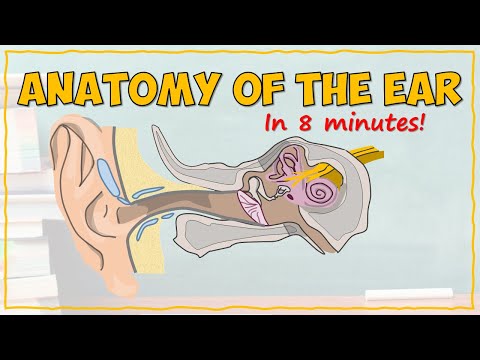
Bat ear structure is often compared to a beautiful piece of art. The outer part, known as the pinna, can be quite large and folds in interesting ways. This shape helps direct sound waves right into their ear canal. It’s like having satellite dishes on their heads! The anatomy allows bats to detect even the faintest sounds that other animals would totally miss.
Then we have the middle ear, where things get even cooler! Bats have specialized bones called ossicles that transmit sound vibrations from the eardrum to the inner ear. This is where things start getting really technical—inner ears contain tiny hair cells that transform those vibrations into electrical signals sent to their brain.
What’s mind-blowing is how different bat species have adapted these structures based on their environments and hunting styles. For instance, funnel-eared bats possess long, tube-like ears for pinpointing prey in dense foliage while others like fruit bats may have smaller ears since they rely more on sight than echolocation.
Here’s where it gets emotional for me: imagine being out at night with thick fog surrounding you and knowing you couldn’t see a thing—but then you hear everything around you! That’s what bats experience every night; they navigate through obstacles with grace thanks to their keen hearing.
Also noteworthy is how certain species can adapt based on what they’re hunting! Like, some bats will adjust their frequency depending on whether they’re going after insects or larger prey like small mammals. This flexibility shows just how intelligent these little creatures are—they’re constantly adapting!
Let’s not forget about frequency tuning. Different types of bats prefer different frequencies for echolocation—it’s kind of like choosing your favorite music genre based on your mood or situation! This tuning also lets them avoid overlapping with other bat species so they don’t interfere with one another while hunting.
In summary, bat adaptations for echolocation highlight an amazing blend of anatomy and sensory biology. From specialized ear structures to learned behaviors in hunting practices—they’ve got it all figured out! So next time you hear a bat fluttering by (or maybe even see one!), just remember all the hard work its incredible hearing is doing behind the scenes!
Echolocation in Bats: Exploring the Role of the Larynx in Navigation and Hunting
So, let’s talk about bats and their incredible ability to navigate through the dark. Yes, echo-location is pretty mind-blowing! Bats have this super cool system that allows them to send out sound waves and use the echoes that bounce back to understand their surroundings. It’s like they’re using a form of natural sonar. And you know what? The larynx plays a big role in this whole process.
First off, let’s break down what the larynx is. It’s basically your voice box, but in bats, it’s a bit more specialized and works differently than in humans. In bats, the larynx can produce high-frequency sounds that are crucial for echolocation. These sounds can go way beyond what human ears can hear; we’re talking frequencies up to 100 kHz — that’s like way higher than your typical dog whistle!
Now, how does all this work? When a bat wants to “see” its environment, it uses its larynx to emit these high-pitched sounds. The sound waves travel through the air until they hit an object — maybe a tasty insect or even a tree branch. Then those sound waves bounce back toward the bat. Here’s where it gets even cooler: bats have highly developed ears that pick up these echoes.
So why is this important? Well, think of it like using a flashlight in pitch darkness; without it, you’d be stumbling around blindly! The echoes help bats determine how far away an object is based on how long it takes for the sound to return. They can figure out size and shape too! Isn’t that amazing?
Another fascinating aspect is how different bat species fine-tune this echolocation ability using their larynxes. Some bats are social creatures and communicate with each other while hunting; they often adjust their calls depending on whether they’re looking for food or just chatting with friends.
Also, it’s interesting to note that some species of bats have really adapted their echolocation calls based on their habitat! For example:
- Forest-dwellers: These bats might use shorter sounds because there’s so much clutter around (like branches), helping them avoid obstacles.
- Cave-dwellers: Bats hanging out in caves might use longer calls since there aren’t as many objects nearby – think open space!
- Insect-hunters: Some species focus on very rapid bursts of sound when they’re zeroing in on prey.
With all these adaptations, you realize just how smart these little guys are! They’ve mastered navigating complex environments relying mostly on sound instead of sight.
It’s also worth mentioning that they’ve been doing this for millions of years! Imagine flying at night without being able to see anything but still dodging trees and grabbing insects mid-air—all thanks to the trusty larynx!
So next time you’re outside at night and hear those little squeaks overhead, remember: those aren’t just random noises—they’re precision instruments navigating life with remarkable skill! Who knew something so small could be such a navigation powerhouse? Seriously impressive stuff!
You know, bats are pretty fascinating creatures, right? I mean, they’re like the superheroes of the night, zooming around with all their crazy skills. One thing that always blows my mind is echolocation. It’s not just a nifty trick; it’s super complex and really cool if you think about it.
So, when we talk about bat ear anatomy, we’re diving into some seriously interesting stuff. Bats have these incredible ears that are designed for one main purpose: finding food in complete darkness. Imagine trying to eat dinner while blindfolded—way tough! But bats? They’re pros at it.
Their ears can be huge or tiny depending on the species, but they all share some common features. For instance, they have these specialized structures called pinnae—those are the flappy parts we usually think of as ears. In bats, these pinnae aren’t just for show; they’re finely tuned to catch sound waves and send them straight into their inner ear. Talk about an upgrade!
What’s remarkable is how precisely they can hear even the slightest sound variations. Bats emit high-frequency sounds that bounce off objects like insects or walls and then return to their ears. It’s almost like a sonar system! They can tell how far away something is based on how long it takes the sound to bounce back—like a natural radar.
I remember reading about a scientist who studied bats in a cave once—the kind of place where light doesn’t exist at all! He described how the bats would swoop through the dark with such accuracy, avoiding obstacles and snatching up bugs mid-flight. Can you imagine being that coordinated? It’s like living in a different world.
Plus, as if that wasn’t wild enough, bats even adjust their calls based on their surroundings—they really know what’s up! If there are lots of echoes around them from walls or other surfaces, they’ll change how loud or high-pitched they call out so they can get better feedback.
So yeah, bat ear anatomy isn’t just some boring biology lesson; it’s about survival and adaptability in one of nature’s coolest creatures. Just thinking about how all this works makes me appreciate those little guys flying around at night even more—definitely makes me want to take another look next time I see them flitting through the sky!