So, you know those crime shows we binge-watch on weekends? The ones where they solve murders in a matter of hours and always seem to have the perfect evidence? Well, that’s not just Hollywood magic. It’s forensic experts doing their thing behind the scenes.
Imagine this: you’re at a party and someone spills red wine all over your favorite shirt. No biggie, right? But then your friend, who fancies themselves a bit of a detective, starts analyzing the stain. They go on about how the type of grape can tell you where it was made. That’s kinda like what forensic scientists do but with way more serious stuff!
They’re like detectives with lab coats and magnifying glasses. They connect science to real-life mysteries and help bring justice where it’s needed most. It’s not just about getting bad guys locked up; it’s about making sense of chaos through science.
So let’s dig into what these folks really do and why their work is so crucial for justice today. It’s wild how much science can reveal about a crime scene, right?
Exploring Career Opportunities: Can a Criminal Justice Degree Lead to a Job in Forensic Science?
So, you’re curious about whether a Criminal Justice degree can lead to a job in forensic science? That’s pretty interesting! The connection between these fields isn’t exactly straightforward, but it’s definitely there. Let’s break it down!
First off, a **Criminal Justice degree** gives you a solid foundation in understanding the legal system, crime prevention, and investigative procedures. You’ll dive deep into the workings of law enforcement and the criminal justice system as a whole. Now, that’s super important because forensic science is like the scientific backbone of criminal investigations.
Forensic scientists deal with collecting and analyzing physical evidence from crime scenes. This could be anything from blood samples to fingerprints. So, they really need to know how the legal system operates when presenting their findings in court. A background in criminal justice helps bridge that gap.
Now, let’s get into some specifics about career pathways. Here are some ways your Criminal Justice degree can connect you to forensic science:
- Evidence Collection: You might find yourself working alongside forensic experts at crime scenes. Knowing how evidence should be collected according to legal standards is crucial.
- Crime Scene Investigation: Some positions allow you to work as a crime scene investigator (CSI). Your knowledge of criminal law will help you understand what needs to be documented.
- Management Roles: If you’re interested in administrative or management positions within forensic labs, your degree could position you for those roles since understanding policies and legislation is key.
- Further Education: Many have started with a Criminal Justice degree and then pursued specialized degrees or certifications in forensic science. It opens doors!
However, it’s worth mentioning that just having a Criminal Justice degree isn’t always enough on its own if you’re looking specifically for hands-on forensic roles like being a lab technician or DNA analyst. Generally speaking, those jobs often require additional training or education in biology or chemistry.
Now let me share something personal here. I once met this amazing woman who started off studying criminal justice because she loved law enforcement but later discovered her passion for forensic analysis while doing an internship at a local police department. She found herself fascinated by how science could solve real crimes! Eventually, she went back to school for her master’s in forensic science—and now she’s been solving cases professionally for over seven years! That just shows how versatile and dynamic these fields can be.
In summary, yes! A Criminal Justice degree can definitely pave the way towards opportunities in forensic science if you’re ready to explore further education or on-the-job learning experiences where you’ll gain relevant skills. Just keep your eyes open for new opportunities as you pursue your interests; there’s often more than one path that leads us toward our goals!
Exploring the Highest Paid Careers in Forensic Science: Salary Insights and Opportunities
Forensic science is like the cool fusion of science and justice, right? You’ve got these super-smart people using their knowledge to solve crimes. But what’s even more intriguing is the money side of things—like, how high can these salaries go? So, let’s take a closer look at some of the highest paid careers in this fascinating field.
Forensic Pathologist
These folks are like detectives in lab coats. They determine causes of death by examining bodies, and that’s no small task! In fact, they can earn between $150,000 to $400,000 a year. Crazy numbers, huh? The reason for this big pay gap usually comes from experience and location—big cities or specialized practices might pay way more.
Forensic Toxicologist
Next up, we have forensic toxicologists. They analyze bodily fluids to find drugs or poisons. This job can pull in anywhere from $60,000 to $120,000 annually. It’s a vital role during trials where substances are involved; if someone was under the influence during a crime, it can totally change the game.
Crime Scene Investigator (CSI)
Now let’s talk about CSIs! These pros collect evidence from crime scenes—like fingerprints and hair samples—and their salary ranges from $40,000 to over $100,000 depending on experience and location. Imagine being out in the field investigating real-life mysteries—it sounds kind of exciting!
Forensic Accountant
Ever think about numbers instead of dusting for fingerprints? Forensic accountants track down financial frauds and help with legal cases involving financial disputes. Their salaries can easily reach between $60,000 and $150,000 each year based on their expertise.
Digital Forensics Expert
Then there are digital forensics experts who dive into tech! They recover data from computers or smartphones involved in crimes—from hacking cases to cyberbullying incidents. Their earnings typically range from $70,000 to over $130,000 per year; it’s seriously an area that keeps growing as technology advances.
So there you have it—a glimpse into some high-paying careers within forensic science! Each role not only has its own unique challenges but also offers brilliant opportunities for those who love solving puzzles and making a difference. Whether you’re analyzing biological samples or digging into financial records, you’re playing an important part in bridging science with justice. Isn’t that just amazing?
Essential Degrees for Pursuing a Career as a Forensic Science Expert
Alright, so you’re curious about what it takes to become a forensic science expert, huh? That’s awesome! Let’s break it down, shall we?
First off, a **bachelor’s degree** in a relevant field is usually the first step. This could be something like **forensic science**, **biology**, or **chemistry**. Why? Because these areas give you the foundational knowledge about how things work at a molecular level. Think of it this way: if you want to understand crime scenes and evidence analysis, you need to know the basics of how different substances interact.
Now, moving on from undergrad studies—many go for a **master’s degree**. This is important if you wanna dive deeper and specialize in areas like toxicology or DNA analysis. A few extra years could mean the difference between being just another tech person and becoming an expert in your field. Plus, some places even require it for advanced positions.
Don’t forget about practical experience! Internships during college can be golden opportunities where you get to see what happens in real-life labs or crime scenes. Practical training helps connect theory with practice and can make your resume stand out later on.
Here are some key skills that are often essential in this field:
- Attention to Detail: Small mistakes can lead to huge consequences.
- Analytical Skills: You need to assess tons of information and come up with conclusions.
- Communication: It’s not just about data; you’ll have to explain findings clearly in reports.
Also, many forensic experts end up getting certified. Organizations like the American Board of Criminalistics offer certifications that show you really know your stuff. Plus, staying current with continuing education courses is crucial since forensics evolves pretty quickly!
Another thing worth mentioning is technology. You gotta keep up with all sorts of high-tech tools—think DNA sequencers or advanced imaging systems—that help analyze evidence efficiently.
And let me tell you a quick story: A friend of mine worked on cold cases through forensic science techniques that were not available when those crimes happened years ago. Watching her piece together clues from seemingly unrelated bits was honestly like watching magic unfold right before my eyes! The marriage between science and justice can lead to some incredible breakthroughs.
So there ya have it! If you’re set on being a forensic science expert, focus on getting that solid educational foundation followed by specialized training—and don’t underestimate the power of hands-on experience! It’s an exciting journey into bridging science and justice every day.
You ever watch those crime shows where the forensic experts swoop in like superheroes, analyzing evidence while unveiling the truth? It’s fascinating stuff, right? Those folks play a vital role in the justice system, acting as the bridge between hard science and real-life justice.
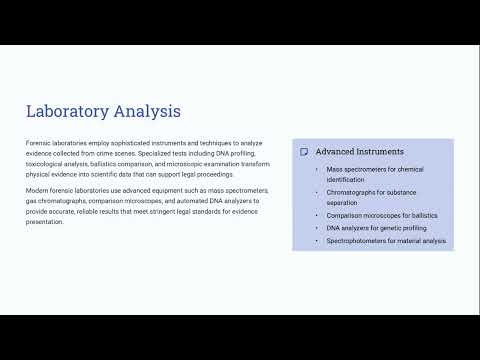
Imagine for a moment you’re at a crime scene. It’s chaotic—detectives hustling around, police tape everywhere, and a lot of emotions running high. What happens next is where forensic experts come into play. They gather evidence—like fingerprints, blood samples, or even tiny fibers that tell a story no one else can see. It’s like piecing together a giant puzzle where every little piece matters. These experts work tirelessly to analyze that evidence in labs, relying on chemistry, biology, and even physics to unlock secrets that are otherwise locked away.
And here’s the thing: it isn’t always black and white. Sometimes you’ve got to make tough calls based on ambiguous data. Last year in my town, there was this case that captured everyone’s attention. A local artist went missing; panic filled the air as investigators searched everywhere for clues. When they finally got some leads from forensic analysis on a piece of clothing found near his studio, it pulled everything together—pointing toward someone who had been under everyone’s radar.
That’s when you realize how crucial these forensic pros are—not just for solving crimes but also for making sure justice isn’t blindfolded by uncertainty. They don’t just produce numbers and DNA sequences—they humanize them by connecting science with stories of real lives affected by crime.
It’s not only about catching bad guys; it’s about bringing closure to families who have been through terrible experiences. That kind of responsibility can be heavy, let me tell ya! But it’s also rewarding because they get to contribute to something much bigger than themselves—a safer community and perhaps even saving innocent lives from wrongful accusations.
Of course, there are moments when things don’t go as planned; errors happen or cases get cold—not every puzzle gets solved right away. Still, what stands out is their relentless quest for truth and clarity amidst chaos. They remind us that science isn’t just numbers; it’s intertwined with our daily lives in ways we might not even think about.
So yeah, when you think of forensic experts, remember they’re more than lab coats and microscopes—they’re guardians of justice who use science as their weapon to fight against ignorance and prejudice in our world. It’s pretty inspiring if you ask me!