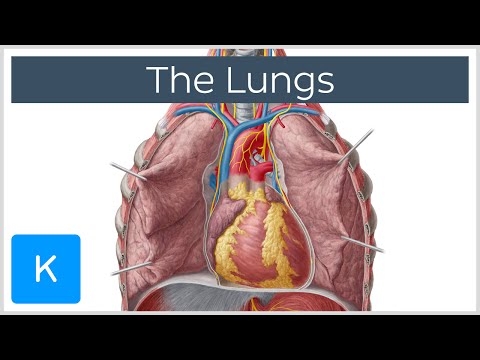
You know what’s wild? Your right lung is actually a bit bigger than your left one. Crazy, right? It’s like your body decided, “Hey, let’s give a little extra love to one side.”
So here’s the thing: this difference isn’t just for fun. It has to do with how everything’s packed inside our chest. The heart’s kinda snug on the left side, making room for the right lung to stretch out.
Now, when you take a deep breath and feel that fresh air filling your lungs, there’s so much going on in there! Seriously, it’s like a miniature world of its own—complete with branches, tiny air sacs, and all that good stuff.
Let’s dig into the anatomy of the right lung together. You’ll see how this amazing organ does its job day in and day out!
Identifying Lung Issues: Key Signs and Symptoms of Right Lung Disorders
Alright, so let’s get into some of the signs and symptoms that might hint at issues with your right lung. The right lung is a bit different from the left; it has three lobes—just keep that in mind as we roll through this.
Shortness of Breath: One of the most noticeable signs is shortness of breath. It’s like when you sprint for the bus and feel out of breath afterward, except it might happen when you’re just chilling. If you’re gasping for air during normal activities, that’s a signal to pay attention.
Persistent Cough: A cough that sticks around could also be a red flag. It’s normal to cough from time to time, but if you get a dry cough or one that produces mucus and it hangs around for weeks, well, you should definitely take note.
- Pain in the Chest: Feeling pain or discomfort in your chest can indicate something’s off with your right lung. This pain could also radiate toward your shoulder or back. Kind of like a nagging reminder that you need to see someone about it.
- Coughing Up Blood: Now, this one is serious. If you’re coughing up blood or rust-colored sputum, that’s not something you want to ignore. It’s got to be investigated ASAP.
- Wheezing: Wheezing sounds like a whistle when you breathe—definitely not normal! If it’s happening frequently or after you’ve been active, it’s worth checking out.
- Chronic Fatigue: Feeling unusually tired? I mean more than just after an exhausting day? Chronic fatigue might point to something underlying with your lungs.
Other Symptoms: You might also notice general malaise: fever, chills, or unintentional weight loss. These aren’t exclusive to lung problems but can co-occur with them!
A little story here: I once had a friend who thought their persistent cough was just allergies acting up. Turns out they’d developed pneumonia in their right lung! They were surprised because they felt fine otherwise; just kept ignoring those subtle signals until it hit them hard one day. Lesson learned? Listen to your body!
Your lungs do so much work without us even realizing it! Maintaining an awareness of these signs and symptoms could really make a difference in catching any potential disorders early on
.
Comprehensive Guide to Lung Anatomy: Downloadable PDF Resource for Scientific Study
When you think about your lungs, it’s easy to just see them as those squishy things in your chest that help you breathe. But there’s so much more going on! Let’s break it down a bit, starting with the anatomy of the right lung.
The right lung is slightly larger than the left one. Why? Well, your heart takes up some room on the left side of your chest. The right lung has three lobes: the upper lobe, middle lobe, and lower lobe. Each of these lobes plays its own role in gas exchange.
The upper lobe is mostly responsible for ventilation and has a good blood supply. It’s like the VIP section of your lungs! The middle lobe, which is smaller and kind of wedged between other structures, also contributes but not as much—think of it like a cozy coffee corner in a bustling café. Finally, the lower lobe is the largest and crucial for removing carbon dioxide from your blood.
- Bronchi: These are the main air passages that branch out from your windpipe to each lung. In the right lung, they split into three secondary bronchi—one for each lobe!
- Alveoli: Tiny air sacs at the end of bronchioles where oxygen and carbon dioxide swap places. Imagine them as little balloons; they expand when you breathe in and deflate when you breathe out.
- Pleura: This double-layered membrane covers each lung and helps keep everything lubricated so they can slide around smoothly while you breath. Think about it like that slick lining on a hot dog bun!
You feel me? Each part is essential to keeping us alive and kicking! The structure of these components varies slightly from person to person; some may have more branching bronchi or different shapes to their alveoli which can affect breathing efficiency.
An interesting side note: ever heard someone talk about “lung capacity”? It relates directly to how well these anatomical parts work together! If one part isn’t functioning correctly—like if you get an infection or some other issue—it can affect how well oxygen gets into your system.
If you’re looking for visual aids or diagrams that give you a roadmap through this anatomy, there are loads available out there—and having something detailed can be super helpful! Just remember: understanding where everything is located makes breathing all that more fascinating!
The next time you take a deep breath, think about all those tiny structures working hard just so you can enjoy that fresh air—it’s pretty amazing!
Comprehensive Overview of Right Lung Anatomy: Structure, Function, and Clinical Significance in Respiratory Science
The right lung is a pretty interesting part of our body, you know? It has a unique structure that’s crucial for breathing. Let’s break down what makes the right lung special, and why it’s essential for respiratory health.
First off, the right lung is bigger than the left one. Weird, huh? This is because it has to make room for the heart, which sits slightly to the left in our chest. The right lung has three lobes: the upper lobe, middle lobe, and lower lobe. Each lobe serves its own purpose.
- The upper lobe is located at the top and helps with gas exchange.
- The middle lobe sits in between and plays a key role in filtering inhaled air.
- The lower lobe is at the bottom and can expand more during deep breaths.
Now let’s talk about how these lobes work together. They have tiny air sacs called alveoli attached to them. It’s mind-blowing! Alveoli are super important for breathing because they’re where oxygen gets absorbed into your blood while carbon dioxide gets released. Imagine them as little balloons that inflate every time you take a breath.
The right lung also has some cool features like bronchial tubes branching out from the trachea (that’s your windpipe) and into each lobe. These tubes help direct air to where it’s needed most. They get narrower as they go deeper into the lungs, kind of like how branches split on a tree.
On top of all this, the right lung’s anatomy plays a big part in understanding certain diseases too. For instance, if there’s an infection or blockage in any of its lobes, it could seriously mess with your breathing! Conditions like pneumonia target specific lobes, so knowing their structure can help doctors make better decisions on treatment.
You know what else? The right lung’s vascular system—those veins and arteries—is super vital too! They transport blood to and from the lungs to keep everything running smoothly. Without proper blood flow, there would be major issues with oxygen delivery throughout your body.
In terms of clinical significance, imaging techniques like X-rays or CT scans often focus on examining right lung anatomy when diagnosing respiratory issues. That gives doctors insight into what’s going on inside without needing invasive methods!
So there you have it! The anatomy of the right lung isn’t just about being bigger or having three lobes; it’s all interconnected with how we breathe and our overall health. Every little detail counts when it comes to keeping us alive and well!
When you think about lungs, it’s easy to just picture those squishy, spongy organs in your chest without really considering how intricate they are. Have you ever taken a moment to really appreciate their design? It’s like a complex maze, full of twists and turns that help us breathe. Today, let’s focus on the right lung specifically and explore its anatomy.
Now, this might sound a bit nerdy, but I remember the first time I had to look at a diagram of the lungs in school. I was staring at all those labels—bronchi, alveoli, pleura—and my mind was kind of blown! Like, there’s so much going on in there! The right lung is actually bigger than the left one because it has to make room for your heart, which is all cute and lean in its own little corner.
Starting at the top, there’s the bronchial tree. Picture this as a branching road system where air travels down into smaller paths called bronchioles—kind of like roads becoming narrower streets. At the end of these tiny pathways are those adorable little air sacs called alveoli that look like tiny balloons. That’s where all the magic happens! Oxygen goes in; carbon dioxide comes out. It’s like a tiny exchange party happening every second!
But let’s not forget about pleurae—the thin membranes that line each lung and play an essential role in keeping things smooth while breathing. They prevent friction as your lungs expand and contract with each breath you take. And seriously? That’s pretty important if we want to keep on living our lives without feeling discomfort.
So yeah, learning about this stuff can feel overwhelming sometimes with all that scientific jargon thrown around. But really thinking about how these parts work together reminds me of teamwork—like when friends come together to achieve something great!
Next time you take a deep breath or feel your chest rise and fall after running up a flight of stairs (which I’ve totally done way too many times!), just remember there’s this beautiful architecture within you working day and night without any fuss. It makes me grateful for those little acts we often take for granted—like simply breathing!