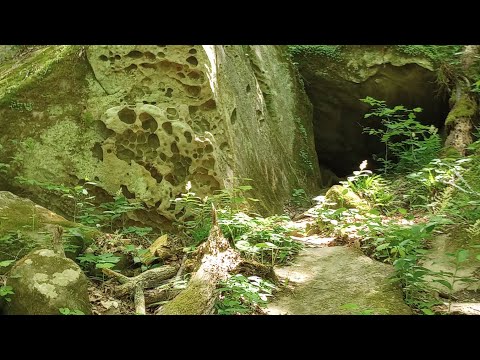
You know that moment when you find a rock that just totally catches your eye? Maybe it sparkles in the sun, or has this weird shape? Well, black sedimentary rocks are like nature’s time capsules. Seriously!
Imagine these rocks chilling in a riverbed or a desert, telling stories from millions of years ago. They’re not just some boring old stones. Nah, they’ve got secrets about ancient oceans and swamps hiding right inside them!
One time, I was hiking and stumbled upon this giant slab of shiny black rock. I thought it looked kinda cool but had no clue what it really was. Turns out, it was packed with clues about Earth’s past—like fossilized fish from eons ago!
That’s the thing with black sedimentary rocks. They’re history books waiting to be cracked open. Ready to explore what they reveal? Let’s dive into the cool world of these rocks together!
Unlocking Earth’s History: The Role of Sedimentary Rocks in Geological Science
Understanding Earth’s History Through Sedimentary Rocks
So, let’s chat about sedimentary rocks. You know, those layers and layers of rock that often look like stacked pancakes? Well, they’re pretty much like history books for our planet. Seriously! When you take a closer look at them, you can see what was happening on Earth millions of years ago.
How Do They Form?
Sedimentary rocks form from particles and materials that settle in bodies of water. This process can happen in various ways, but the main idea is that bits of stuff—like mud, sand, and even tiny shells—get deposited over time. Picture a river flowing fast with all its dirt and debris; that river slows down when it meets a lake or ocean, dropping everything it was carrying. Over long periods, these layers stack up!
The Magic of Layers
Each layer of sedimentary rock represents a different time period. If you could slice through one of these rocks (not literally, please!), you’d find distinct bands. Some might be light-colored mud from a calm period while others could be darker sand from a stormy time. Each color and texture tells us something about environmental changes throughout history.
Black Sedimentary Rock: What’s the Deal?
Now, black sedimentary rocks are super interesting because they usually indicate certain conditions in Earth’s past. They often form in environments with low oxygen levels—think swamps or deep ocean floors where organic materials pile up without much decay. So when you stumble upon black sedimentary rock, it’s like finding an old diary page that reveals secrets about ancient life forms.
Fossils: Nature’s Time Capsules
Another cool thing about sedimentary rocks is that they often contain fossils! Imagine finding an ancient fish or a dinosaur footprint trapped in stone; it’s thrilling! These fossils give scientists clues about what kinds of creatures roamed the Earth back then and how ecosystems changed over time.
- Fossil Records: They inform us about evolution and extinction.
- Climate Changes: Changes in layers can show past climates.
- Natural Events: Eruptions or floods are recorded too!
Anecdote Time!
I remember hiking once near some cliffs made up entirely of sedimentary rock. As I looked at the layers exposed by erosion, I felt this deep connection to the past—like I could almost hear the whispers of ancient oceans or see dinosaurs roaming around! It was just so cool to think each layer held stories waiting to be uncovered.
The Bigger Picture
Researchers study these rocks to piece together Earth’s history over millions of years—its shifts and turns. By understanding these records we get insights into how life has evolved and adapted through changing climates and landscapes.
In summary? Sedimentary rocks are like nature’s beautiful archives filled with tales connecting us to our planet’s dramatic past! So next time you’re out exploring nature, take a moment to appreciate those layered stones—it might just be one way Earth shares its secrets with us!
Exploring Black Sedimentary Rocks: Composition, Formation, and Geological Significance
Black sedimentary rocks are pretty intriguing because they tell quite a story about Earth’s past. You see, these dark beauties usually form under specific conditions and their composition can reveal a lot about the environment they were created in. So, let’s break this down a bit.
First off, what exactly are black sedimentary rocks? Essentially, they’re a type of rock that forms from particles settling at the bottom of a body of water or in other environments. The dark color often comes from organic materials, like plant debris or even tiny marine organisms that piled up over millions of years. Sometimes they also contain minerals like magnetite or hematite which can add to that deep black hue.
Now, onto how these rocks form. It’s all about layers, really. You’ve got sediment – bits and pieces carried by wind or water – accumulating over time. When these sediments settle in a low-energy environment (like deep oceans or swamps), they can compact and cement together to create rocks. Picture an ancient lake filled with decaying plants and algae; over time, those organic materials can transform into black shale, a common type of black sedimentary rock.
Let’s not forget the geological significance. The presence of black sedimentary rocks can indicate past environmental conditions. For instance:
- Low oxygen environments: Many black rocks form where there isn’t much oxygen available—think stagnant waters.
- High organic productivity: If you find these rocks, it might suggest that the area was once teeming with life.
- Paleoenvironmental indicators: The composition helps geologists reconstruct ancient settings—was it a sea? A swamp?
I remember once hiking through an old riverbed and coming across some jet-black shale rock formations. It made me realize just how much those layers held stories of what life looked like eons ago! Imagine tiny fish swimming around while mud slowly piled up on their heads over millions of years.
So yeah, black sedimentary rocks aren’t just pretty to look at; they’re also nature’s way of keeping records about climatic changes and life on Earth throughout its history. The next time you see one, take a moment to think about what it’s been through—it’s truly fascinating!
Exploring Earth’s Geological History: The Unique Role of Rocks as Physical Records
So, let’s talk about Earth’s geological history, shall we? It’s seriously fascinating how much we can learn from rocks. You know, rocks aren’t just… well, rocks. They’re like nature’s way of keeping a diary!
Every rock has its own story. When we look at different types of rocks, especially sedimentary ones, we find clues about what the planet was like millions or even billions of years ago. Sedimentary rocks form from particles that settle and compact over time, capturing bits of the environment around them.
For example, take black sedimentary rock. This type often comes from organic materials or minerals that give it a dark color. It can tell us about ancient environments that were rich in life or had certain conditions like low oxygen levels.
Think about being a kid and digging in the sand at the beach. Sometimes you’d uncover shells or bits of plants trapped in the sand—those little treasures are like snapshots of what lived there! In geological terms, when sand becomes rock through pressure over time, those shells and plants become part of a story that’s carved in stone.
Now let’s break down a few key points about why rocks are such incredible records:
- Layering: Sedimentary rocks form in layers, which can show how landscapes have changed over time. Each layer represents a different period and can include fossils—like tiny windows into past life!
- Composition: The minerals present can indicate specific environments. For instance, if you find limestone (which is made up mostly of calcite), it hints at ancient oceanic conditions.
- Fossils: These creatures from long ago give us direct evidence of what lived during different eras. Fossils help scientists understand evolution and environmental changes.
- Chemical Signals: The chemistry in the rock can tell us about past climate conditions—like shifts from warm to cold periods based on isotopes found within them.
Rocks also preserve evidence of catastrophic events, like volcanic eruptions or meteor impacts. Can you imagine? A single rock could hold the remnants of an ancient volcanic eruption that changed ecosystems entirely! It’s mind-blowing to think that while you walk through nature, you’re treading on pages filled with Earth’s wild adventures.
Let’s not forget about how these geological stories relate to us today. By studying sedimentary rocks and understanding their formation processes, scientists are piecing together clues about our planet’s future too! Climate change? Those layers could offer insights into how Earth has responded to similar challenges before.
So next time you’re outdoors or just hanging around some nice rocky scenery, consider what stories those formations might be telling you. Each scratch and chip is part of an epic saga spanning eons! Seriously cool stuff when you think about it all—rocks really do hold the keys to understanding not just where we came from but where we’re heading too.
You know, when I think about black sedimentary rock, it’s like peeking into a diary that’s been kept for millions of years. Seriously, it’s wild! These rocks tell us about a time when our planet was pretty different. They’re kind of like nature’s history books. Each layer is a snapshot of an environment that existed long before we were around.
I remember hiking once with a friend in this remote area, and we stumbled upon some striking black rocks. It was early morning, the sun barely peeking over the horizon, and those rocks almost gleamed against the soft light. We picked up a few small pieces and started chatting about what they might have witnessed over time—like ancient oceans or volcanic eruptions. Crazy to think about all the life forms that may have swum in those waters or crawled on those surfaces!
So, what are these black beauties made of? Often, they come from organic materials that got buried under layers of sediment. Over eons—like maybe millions and millions of years—those materials get compacted and harden into rock. Some even contain minerals like carbon that can tell us about past climates or even life itself! Ever heard of shale? Yup, that’s one type often found in black sedimentary formations.
But here’s where it gets really interesting: these rocks can hold fossils too! Imagine cracking open a piece and finding tiny remnants of plants or marine creatures frozen in there. That’s like holding a piece of history right in your palm! It gives you this sense of connection to the distant past—a reminder that life has always been evolving.
The thing is, studying black sedimentary rocks helps scientists piece together how Earth changed through time. You’ve got clues about ancient ecosystems—heck, even hints about atmospheric conditions from way back then! It’s all woven together like some intricate tapestry.
Nature has this incredible way of preserving stories if you know where to look. So next time you see some dark sedimentary rock while out exploring, maybe take a moment to appreciate its journey—a journey filled with changes and events that shaped our planet as we know it today!