You know that moment when you’re waiting to get your X-ray at the hospital? The technician tells you to hold still while they zap you with rays, and you can’t help but think, “What’s really going on here?” Well, X-ray absorption spectra is kinda like that! It’s all about getting a peek into what makes up different materials by figuring out how they interact with X-rays. Kinda cool, right? Imagine it as a party where different elements show off their dance moves when hit by X-rays… well, a little less dancing and a lot more absorbing. But this isn’t just any science trick; it helps scientists understand everything from art to archaeology, even materials for tech. So buckle up! Let’s unravel this fascinating world together … Unveiling the Science of X-Ray Absorption SpectraRead more
Analytical
Quantitative Chemical Analysis in Modern Scientific Research
You know that feeling when you spill coffee on your favorite shirt? You scramble for napkins, trying to blot it out, but the stain just won’t budge. That’s a bit like what chemists deal with in their labs. But instead of coffee, they’re tackling all sorts of chemicals that can be super tricky to analyze. Quantitative chemical analysis is kind of the unsung hero of science. It’s like the behind-the-scenes wizardry that helps researchers understand what’s really going on at a molecular level. It’s not just about knowing something exists; it’s about measuring how much of it is there. Imagine trying to bake without a recipe! You’d end up with some weird concoction that’s half lump and half chaos, right? Well, in the lab, having … Quantitative Chemical Analysis in Modern Scientific ResearchRead more
Harnessing NIR Spectroscopy for Scientific Advancement
You know that scene in movies where someone gets superpowers and then has to figure out how to use them? Well, NIR spectroscopy is kinda like that, just without the spandex. Imagine this: you’re at a party, and someone pulls out a fancy device. They point it at a drink, and boom! It tells them what’s in it. Pretty cool, right? That’s the magic of NIR—Near-Infrared Spectroscopy. This awesome technology is like having X-ray vision for materials. It lets scientists see what’s happening on a molecular level without messing with anything. Seriously, how neat is that? In this chat about NIR spectroscopy, we’ll explore how it’s changing the game across various fields. From agriculture to medicine, it’s making big waves—and not just because it sounds … Harnessing NIR Spectroscopy for Scientific AdvancementRead more
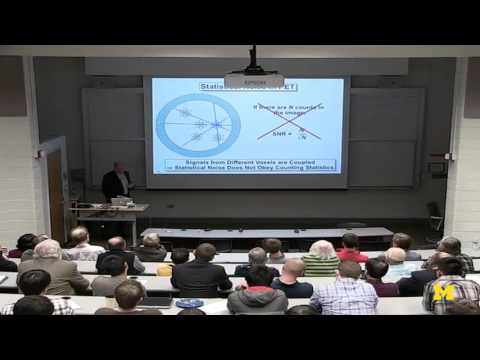
Advancements in Tandem LC MS Techniques for Scientific Research
You know that moment when you step into your kitchen, trying to find that one spice you know you have? You sift through jars and containers, mixing scents, and maybe even wondering how something so small can have such a big impact on your meal. Well, scientific research can feel kinda similar when it comes to analyzing complex mixtures. Enter tandem LC-MS—like the superhero of the lab world! It’s all about helping scientists break down mixtures into manageable pieces. You see, this technique takes two powerful methods—liquid chromatography and mass spectrometry—and puts them together like peanut butter and jelly. Imagine having a super-sleuth in your lab that goes beyond just peeking at the surface. That’s essentially what tandem LC-MS does: it digs deep into samples … Advancements in Tandem LC MS Techniques for Scientific ResearchRead more
Advancements in HPLC Tandem Mass Spectrometry Techniques
You know that moment when you finally find the perfect pair of jeans? Like, you’ve been searching forever, and when you slip them on, it just feels right? Well, that’s kind of how scientists feel about advancements in HPLC tandem mass spectrometry techniques. It’s all about precision and finding what really matters. Imagine being able to detect tiny molecules in your favorite drink or medicine with crazy accuracy. That’s what these techniques bring to the table! They’re like superheroes for chemists, battling impurities and helping us understand more about what we consume every day. But hey, this isn’t just for lab coats and goggles. It affects tons of stuff—like food safety and even drug development. So, grab your metaphorical lab coat; we’re about to explore … Advancements in HPLC Tandem Mass Spectrometry TechniquesRead more
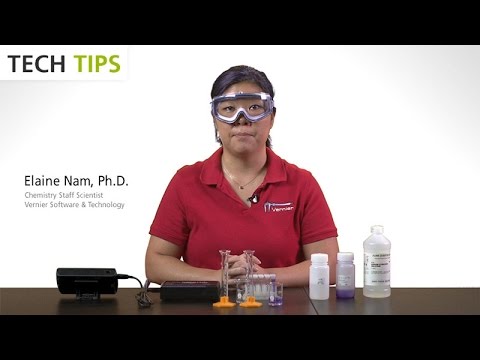
Advancing Science Through Mass Spectrometry Innovations
You ever heard about that time scientists figured out how to “weigh” tiny molecules? Sounds like something from a sci-fi flick, right? But it’s real, and it’s called mass spectrometry. Basically, this cool technique helps us figure out what stuff is made of, down to the tiniest bits. Imagine a detective with a magnifying glass, only this one’s like a super-smart robot that can analyze everything from the air we breathe to the food we eat. And guess what? It’s not just for lab nerds anymore. Innovations in mass spectrometry are changing the game for everyone—from researchers trying to unlock cancer mysteries to chefs perfecting their recipes. So stick around! There’s a lot more to discover about this nifty tool and how it’s shaking things … Advancing Science Through Mass Spectrometry InnovationsRead more
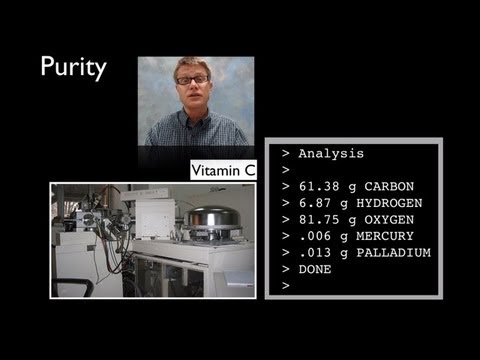
Advancing Science with X Ray Fluorescence Spectrometry
So, here’s a fun thought: imagine if you could zap a rock or a painting and *just know* what it’s made of. Sounds like magic, right? Well, that’s basically what X-ray fluorescence spectrometry does! I mean, think about it. You’re at a museum, staring at some ancient artifact or stunning piece of art. What if you could uncover its secrets without even touching it? That’s the kind of mind-blowing stuff scientists are doing with this nifty technique. It gets even cooler when you realize this isn’t just for museums. Nope! It’s used in everything from archaeology to environmental science. Seriously, this tech is like a superhero for scientists trying to unveil the mysteries hidden in materials. So stick around and let’s dig into how this … Advancing Science with X Ray Fluorescence SpectrometryRead more
Innovations in Mass Spectrometry for Scientific Research
You know that moment when you’re in the kitchen, whipping up something delicious, and you accidentally spill a little salt instead of sugar? Total disaster, right? Well, in the world of science, precision is everything. One tiny slip can change the entire outcome! Enter mass spectrometry – this nifty technique that helps scientists figure out what stuff is made of. Imagine being able to take a sample of anything and find out exactly what’s inside. That’s pretty cool, huh? These days, innovations in mass spectrometry are shaking things up big time. We’re talking about more accuracy, speed, and even some cool gadgets that make scientists’ lives easier. And guess what? It’s impacting fields from medicine to environmental science. So let’s chat about these game-changing advancements. … Innovations in Mass Spectrometry for Scientific ResearchRead more
Innovative Applications of QTOF in Modern Science
Alright, so picture this: you’re at a party, right? Everyone’s mingling, chatting about the usual stuff: movies, music, that crazy dog video they saw online. Suddenly, someone mentions mass spectrometry. Crickets. Seriously! But hold on; let me tell you why that’s cooler than it sounds. You see, QTOF—yeah, I know it sounds like a secret agent code or something—is actually a pretty nifty tool in modern science. It’s short for Quadrupole Time-of-Flight mass spectrometry, and trust me, it helps scientists do some major detective work in various fields. Think of it as a super high-tech way to analyze tiny things we can’t even see. Imagine being the Sherlock Holmes of molecules! With QTOF’s help, scientists can uncover mysteries in everything from medicine to environmental science. … Innovative Applications of QTOF in Modern ScienceRead more
Flame AA Spectroscopy Techniques for Elemental Analysis
You know that moment when you’re cooking and you see the flames dancing? It’s kind of mesmerizing, isn’t it? Well, those flames do more than just roast your marshmallows. They can actually help scientists figure out what elements are in a sample. Crazy, right? That’s where Flame Atomic Absorption Spectroscopy (or Flame AA for short) comes into play. This technique uses those fiery little friends to analyze everything from metals in your drinking water to trace elements in soil. Imagine having a magic wand that shows you what’s lurking in a sample just by shining light through it. That’s basically what happens! You get a mix of science and fire, and who doesn’t think that sounds cool? So grab your lab coat—okay, maybe not—but let’s … Flame AA Spectroscopy Techniques for Elemental AnalysisRead more
Ion Mass Spectrometers: Pioneering Advances in Scientific Research
You ever seen one of those sci-fi movies where they whip out this flashy gadget and start analyzing stuff in seconds? Yeah, it’s kinda like that with ion mass spectrometers, but way cooler and way more real. Imagine you’re at a party and someone hands you a mystery drink. You’d want to know what’s in it, right? That’s exactly what scientists do with these fancy machines. They analyze tiny particles to figure out their mass and identity. It’s like being a detective for molecules! And trust me, the story behind how we came up with this tech is pretty wild. From chasing down elusive isotopes to revolutionizing everything from medicine to space exploration, ion mass spectrometers are making big waves in research these days. Ready … Ion Mass Spectrometers: Pioneering Advances in Scientific ResearchRead more
Advancements in SIM Mass Spec for Scientific Research
You know what’s cooler than being a detective? Being a scientist who can literally sniff out the tiniest particles in a sample. I’m talking about SIM mass spectrometry, or to keep it casual, SIM Mass Spec. Imagine this: You’re at a barbecue and you catch a whiff of someone’s secret sauce from miles away. That’s how sensitive this tech is! It can identify compounds in just about anything, from your morning coffee to complex biological samples. So, scientists are constantly working on making this amazing tool even better. It’s like upgrading your WiFi speed but for molecular detection. And trust me, when they figure it out, it opens up a whole new world of possibilities for research and discovery. Let me share some of the … Advancements in SIM Mass Spec for Scientific ResearchRead more
Advances in Quantitative Analytical Chemistry Practices
So, picture this: you’re in a kitchen, right? And you want to whip up the perfect chocolate cake. You measure out stuff, like flour and sugar, but what if all those measurements were super precise? You’d probably end up with the best cake ever! Well, that’s a bit like what’s happening in the world of quantitative analytical chemistry. It’s all about getting those measurements just right. Seriously, it’s wild how much we rely on accurate data to understand everything from environmental pollution to finding new medicines. And here’s where it gets really exciting—new techniques and tools are popping up all over the place! Imagine scientists teaming up with technology like never before. They’re not just mixing ingredients; they’re solving real-world problems in ways that were … Advances in Quantitative Analytical Chemistry PracticesRead more
Advancements in Protein Mass Spectrometry for Research Science
You know that moment when you’re trying to figure out what to have for dinner and you suddenly open the fridge, only to find a jumble of leftovers? It’s chaos in there! Well, it turns out proteins in our cells are kinda like that fridge. They’re super important but can be all over the place. So, here’s where protein mass spectrometry comes in. Imagine having a high-tech gadget that can sift through that messy fridge and tell you exactly what’s there—how much of each thing is in there and even how fresh it is! Sounds cool, right? This tech is shaking things up in research science. It’s not just about food; we’re talking about understanding diseases, discovering new treatments, and even unraveling the mysteries of … Advancements in Protein Mass Spectrometry for Research ScienceRead more
Harnessing Inductively Coupled Plasma for Elemental Analysis
You know, I once tried to impress my science nerd friends by whipping up a homemade volcano. Picture this: baking soda, vinegar, and a little food coloring explosion. It was messy, but hey, at least it was fun! Now, if only I’d known about something called inductively coupled plasma (ICP). Sounds fancy, right? But seriously, it’s way cooler than any baking soda eruption. Imagine using plasma not for creating fireworks but for figuring out what elements are hanging around in a sample. Crazy, huh? With ICP, you can detect elements in everything from metals to water samples with crazy accuracy. It’s like putting on a pair of super-powered glasses that let you see all the hidden stuff! So buckle up; we’re gonna dig into how … Harnessing Inductively Coupled Plasma for Elemental AnalysisRead more
Flame Atomic Absorption Spectroscopy in Modern Science
You know that feeling when you’re trying to find a needle in a haystack? Imagine doing that with tiny bits of metal in a solution! Sounds impossible, right? Well, enter Flame Atomic Absorption Spectroscopy (FAAS) like a superhero into the science scene. It’s this cool technique that helps scientists figure out what elements are hanging around in a sample. Pretty neat, huh? So picture this: you’re at a barbecue, and someone’s got this fancy gadget that can tell if your steak has too much iron or not enough. Okay, maybe not that dramatic, but it’s similar. FAAS is all about detecting those elements while keeping things chill in the lab. In modern science, it’s a big deal for everything—from testing water quality to checking metals … Flame Atomic Absorption Spectroscopy in Modern ScienceRead more
Atomic Spectroscopy: Unveiling the Light of the Elements
You ever notice how stars seem to twinkle? Well, it’s not just for show. It’s because of something called atomic spectroscopy. Sounds fancy, right? Imagine this: you’re at a party, and there’s that one person who always knows the best stories about everyone. That’s a bit like atomic spectroscopy when it comes to elements. It reveals their secrets just by analyzing the light they emit. Think of it as a cosmic game of peek-a-boo! When elements get excited—like after a little heat or light—they glow. And that glow tells us so much about what they’re made of. Pretty cool, huh? So, let’s take a closer look at how we can unravel these elemental mysteries through light. Who knew chemistry could be so…vibrant? Unveiling Light’s Secrets: … Atomic Spectroscopy: Unveiling the Light of the ElementsRead more
Advancements in ICP Atomic Emission Spectroscopy Techniques
So, the other day, I was at this party where someone mentioned they could tell you what’s in your favorite drink just by zapping it with a super cool machine. I mean, like, how wild is that? That got me thinking about ICP Atomic Emission Spectroscopy. Sounds fancy, right? But really, it’s just a way scientists figure out what elements are in stuff. Kind of like a detective for chemistry! And believe me, the tech behind it has come a long way. Like, we’re talking major upgrades that amazing stuff this technique can do now! I know it sounds all high-tech and complicated, but stick with me. You’ll see how this fascinating world works and why it’s actually pretty relevant to our everyday lives. Comparative … Advancements in ICP Atomic Emission Spectroscopy TechniquesRead more
Harnessing Plasma Atomic Emission Spectroscopy in Research
Alright, picture this: you’re at a barbecue, and someone spills a drink on the grill. Smoke goes up, and suddenly you realize you can see all these crazy colors in the flames. It’s like a mini firework show! Well, believe it or not, that colorful display has some serious science behind it. It’s called plasma atomic emission—sounds fancy, huh? But basically, it’s just atoms getting excited and showing off their true colors when zapped with energy. Now imagine harnessing that super cool phenomenon for research. That’s where plasma atomic emission spectroscopy comes in. It helps scientists figure out what elements are hanging out in a sample just by looking at how they glow when heated up. It’s wild how something that sounds so complex is … Harnessing Plasma Atomic Emission Spectroscopy in ResearchRead more
Harnessing Atomic Spectrometry for Scientific Discovery
You know what’s wild? Atoms are actually like little superheroes. Seriously! They may be super tiny, but they hold the keys to some major scientific discoveries. So, imagine you’re at a science fair, and there’s this booth with colorful lights and funky gadgets. That’s atomic spectrometry for you! It’s not just a fancy term; it’s an incredible tool that helps us unearth secrets of the universe. Think about it: everything around us is made of atoms, right? But what if I told you we can use light to examine them? Sounds like something out of a sci-fi movie, huh? Well, grab your popcorn because we’re about to explore how this amazing science gets used to find new elements or even track pollution. It’s pretty mind-blowing … Harnessing Atomic Spectrometry for Scientific DiscoveryRead more
Flame Atomic Absorption Spectrophotometry in Modern Science
You know that moment when you’re staring at a beautiful sunset and wonder, “What’s in those colors?” Well, scientists have a sort of magic trick to find out what elements are hanging around in stuff, and it’s called Flame Atomic Absorption Spectrophotometry. Sounds fancy, right? I mean, imagine if you could figure out what metals are lurking in your food or even in the air! The whole idea is pretty wild. You take a sample, zap it with a flame, and voilà! You can see what’s present just like that. Okay, let me tell you a quick story. I once tried to make a “fancy” dinner for some friends and ended up burning the garlic bread to a crisp. But instead of tossing it all … Flame Atomic Absorption Spectrophotometry in Modern ScienceRead more
Advancements in Secondary Ion Mass Spectroscopy Techniques
You know that moment when you accidentally drop your ice cream on the sidewalk? Yeah, it’s a total bummer. But it got me thinking, what if there was a way to see exactly what’s going on in that scoop before it hits the ground? Enter secondary ion mass spectrometry (SIMS). It sounds super fancy, but stick with me! This technique is like having a tiny microscope that lets scientists peek into materials at an atomic level. You could say it’s the superhero of analytical chemistry. Seriously, every time I read about the advancements in SIMS techniques, my brain just does backflips. They’re not just making waves in science; they’re revolutionizing how we understand everything from materials to environmental samples. So, buckle up as we take … Advancements in Secondary Ion Mass Spectroscopy TechniquesRead more
Advancements in Flame Absorption Spectroscopy Techniques
You know that moment when you’re at a barbecue, and someone brings out this fancy gadget that can tell the exact composition of your steak? Pretty wild, huh? Well, it’s not magic—it’s science! Flame absorption spectroscopy is like a superhero for chemists, helping them figure out what elements are hanging out in all sorts of materials. Imagine being able to see the hidden secrets in smoke or even in your favorite drink! So, let’s dive into the cool stuff that’s been happening in this field. You’ll be surprised at just how advanced these techniques have become, and maybe you’ll even impress your friends with some trivia at the next gathering! Exploring the Benefits of Flame Atomic Absorption Spectroscopy in Scientific Research Flame Atomic Absorption Spectroscopy … Advancements in Flame Absorption Spectroscopy TechniquesRead more
Advancements in LIBS Spectroscopy for Scientific Research
So, picture this: you’re at a party, right? You spill your drink—totally awkward, but hey, it happens. Now imagine if you could just zap that mess away with a laser. Sounds like something out of a sci-fi flick, doesn’t it? Well, that’s kind of what they do with LIBS spectroscopy! It stands for Laser-Induced Breakdown Spectroscopy, which honestly sounds way cooler than it is complicated. Basically, scientists use lasers to figure out what stuff is made of by analyzing light. It’s wild how this tech has evolved. From checking out Martian rocks to unearthing ancient artifacts, LIBS is shaking things up in the world of scientific research. Want to know more about how it works and why it matters? Let’s chat! Revolutionizing Scientific Research: The … Advancements in LIBS Spectroscopy for Scientific ResearchRead more
Laser Induced Breakdown Spectroscopy Applications in Science
Have you ever accidentally set off a firework in your backyard? Picture this: You’re just trying to impress your friends with that flashy Roman candle, and boom! Suddenly, you’ve got sparks flying everywhere. Well, that’s kind of what happens in laser induced breakdown spectroscopy—or LIBS for short—only it’s a lot less chaotic and way cooler. So, LIBS uses lasers to zap materials and uncover their secrets. It’s like having a superpower that lets scientists see what something is made of without cutting it apart. Seriously, who wouldn’t want that? From analyzing the dust on Mars to checking out the quality of metals at a factory, the applications are wild! Let’s chat about how this technology works and why it matters. You’ll see how laser beams … Laser Induced Breakdown Spectroscopy Applications in ScienceRead more
Advancements in LC MS MS Techniques for Scientific Research
You know that moment when you accidentally mix up salt and sugar while baking? Total disaster, right? Well, in the world of scientific research, mixing up substances can be just as messy. Luckily, there’s a super cool technique called LC MS MS that helps scientists avoid these kitchen catastrophes. Imagine having the ability to see what’s really going on at a molecular level. It’s like having a magic window into the tiny world of chemicals! With advancements in LC MS MS techniques, researchers are stepping up their game. They’re diving deeper and getting more accurate results than ever before. So, let’s unpack this fascinating tech and see why it’s changing the game in labs everywhere! Recent Advancements in Mass Spectrometry: Transforming Scientific Discovery and Analysis … Advancements in LC MS MS Techniques for Scientific ResearchRead more
Advanced Applications of Triple Quad Mass Spectrometry in Science
So, picture this: you’re in a lab, surrounded by high-tech gadgets, and there’s this enormous machine that basically looks like a space-age coffee maker. That’s mass spectrometry for you! Crazy, right? But hold on! This isn’t just for scientists who want to feel super smart. It’s like the ultimate detective tool for figuring out what things are made of. We’re talking about advanced applications that can change how we understand everything from new medicines to environmental issues. Triple quad mass spectrometry—sounds fancy, huh? Well, it’s the superhero of analytical chemistry. It helps scientists see tiny particles, like little secrets hiding in plain sight. Imagine being able to pinpoint exactly what’s in your morning smoothie or what makes that ancient artifact so special. Stick around! We’re … Advanced Applications of Triple Quad Mass Spectrometry in ScienceRead more
FTIR Spectrum Applications in Modern Scientific Research
You know, the first time I heard about FTIR spectroscopy, I thought it was some kind of secret agent gadget. Like, “James Bond, what’s that?” But then I found out it’s actually this super cool tool used in science. So, FTIR stands for Fourier Transform Infrared Spectroscopy—yeah, try saying that three times fast! Basically, it helps scientists figure out what stuff is made of by measuring how molecules absorb infrared light. Crazy, right? Imagine being able to look at a tiny sample and unveil its entire chemical makeup like you’re opening a treasure chest. That’s what FTIR does! Whether it’s in chemistry labs or environmental studies, this technique is popping up everywhere these days. Let me share a little story. A friend of mine once … FTIR Spectrum Applications in Modern Scientific ResearchRead more
Advancements in HPLC Mass Spectrometry for Scientific Research
Alright, so picture this: you’re at a party, and someone spills a drink on the rug. You know that feeling when you just want to find out what that drink was? Was it soda? Juice? Or something way more exotic? Well, that’s kinda what scientists do every day with HPLC mass spectrometry. It’s like their super cool tool for figuring out the mysteries of chemistry—without the party mess! So, here’s the scoop. HPLC stands for High-Performance Liquid Chromatography. Fancy name, huh? Basically, it helps separate different substances from a mix. Then comes the mass spectrometry part—like a superhero sidekick—that analyzes what those substances really are. This combo is shaking things up in scientific research these days. It’s opening doors to new discoveries and making old … Advancements in HPLC Mass Spectrometry for Scientific ResearchRead more
Advancements in Triple Quadrupole Mass Spectrometry Techniques
You know, I once thought mass spectrometry was just one of those fancy lab things you hear about in movies, like secret spy tech or something. But then I stumbled into a conversation about triple quadrupole mass spectrometry, and wow, it’s like discovering there’s a whole universe behind those science-y words! Imagine being able to pinpoint molecules more precisely than finding your keys in a messy room. Seriously! With all the advancements happening in this field, it’s like scientists are gearing up for their own superhero movie. So, if you’ve ever been curious about how we analyze everything from food safety to drug testing with these amazing gadgets, let me share what I’ve learned. Buckle up—it’s going to be a cool ride into the world … Advancements in Triple Quadrupole Mass Spectrometry TechniquesRead more
Advancements in HPLC and LC-MS Techniques in Scientific Research
So, I gotta tell you this funny story. A buddy of mine, who’s a scientist, once tried to explain HPLC to me while we were waiting for tacos. He was so excited—hands flailing and all—that I thought he was describing some sort of superhero gadget or something! Seriously, who knew that High-Performance Liquid Chromatography could sound so cool? But here’s the kicker: it’s not just about tacos and science banter. The advancements in HPLC and LC-MS techniques are shaking things up in research big time. These methods help scientists separate and identify what’s in a sample—like being a detective for molecules! Imagine finding the tiniest traces of a drug or pollutant hidden away in some complex mix. That’s where these bad boys come into play. … Advancements in HPLC and LC-MS Techniques in Scientific ResearchRead more
Advancements in HPLC LC MS MS for Scientific Research
You know how as kids, we thought superheroes had all these amazing gadgets? Well, scientists have their own cool tools too! Like HPLC and LC-MS/MS. Sounds fancy, huh? But stay with me. These technologies are like the Batman and Robin of the lab world. They help researchers tackle everything from analyzing drugs to studying environmental samples. Imagine being able to spot tiny molecules that could change lives! Seriously, it’s like finding a needle in a haystack, but with superhuman precision. I remember a buddy of mine raving about how he used one of these machines for his thesis. He was bouncing off the walls over how fast he got results! That’s what happens when you mix technology and curiosity—magic happens. So let’s break down what … Advancements in HPLC LC MS MS for Scientific ResearchRead more
Advancements in SIMS Spectrometry for Modern Science
You know that feeling when you find a hidden gem in your favorite thrift store? Well, that’s kind of what scientists experience with SIMS spectrometry. Seriously, it’s like having a super-sleuth detective at your disposal. Imagine zapping tiny bits of materials with a beam of ions and dissecting them at the atomic level. Sounds like sci-fi, right? But it’s real! And it’s changing the game across all sorts of fields. Once upon a time, this tech was pretty much exclusive to labs. Now? It’s popping up everywhere—from space exploration to medicine. That’s wild! So, grab your lab coat and let’s unpack how SIMS is making waves in modern science. You’re gonna want to stick around for this one! Recent Advancements in Mass Spectrometry: Innovations Transforming … Advancements in SIMS Spectrometry for Modern ScienceRead more
NIR Spectrum Significance in Modern Scientific Applications
So, picture this: you’re in a lab, and someone pulls out this fancy machine that looks like it’s straight out of a sci-fi movie. It’s all blinking lights and strange noises, right? And then, boom! They’re analyzing the NIR spectrum. Sounds super techy and boring, but trust me, it’s one of the coolest things happening in science today! You know how light can be kinda sneaky? Well, near-infrared (NIR) light is like that friend who always shows up uninvited to your party but ends up being the life of it. NIR spectroscopy helps scientists peek into materials at a molecular level without even touching them! How wild is that? From agriculture to art restoration, this tech has got its fingers in so many pies. Seriously, … NIR Spectrum Significance in Modern Scientific ApplicationsRead more
Ultraviolet Spectrophotometry in Modern Scientific Research
So, here’s a fun fact: Did you know that UV light is actually all around us, but we can’t see it? Crazy, right? Like, our eyes are just totally blind to this cool part of the spectrum. But guess what? Scientists have found a way to use that invisible light to learn all sorts of things. I mean, seriously. It’s like having a superpower! They do this with something called ultraviolet spectrophotometry. I know it sounds fancy and a bit intimidating, but don’t worry! Basically, it’s just a method to measure how much UV light is absorbed by different substances. Picture this: you’re trying to figure out what’s lurking in your drink at the party—UV spectrophotometry is like your trusty sidekick for that sort of … Ultraviolet Spectrophotometry in Modern Scientific ResearchRead more
Fourier Transform Infrared Techniques in Scientific Research
You know that feeling when you walk into a room and the scent of fresh cookies hits you? Like, suddenly you’re hit with a wave of nostalgia and comfort. Well, that’s kinda similar to how Fourier Transform Infrared (FTIR) techniques work in scientific research. They can sniff out different compounds just like your nose distinguishes those mouthwatering aromas. Imagine if your phone could magically translate those scents into a list of ingredients. That’s what FTIR does, but with light instead of smells! It’s like a superpower for chemists and researchers. They can identify substances just by looking at the way they interact with infrared light. Pretty neat, huh? But seriously, FTIR isn’t just some fancy tech jargon; it plays a key role in everything from … Fourier Transform Infrared Techniques in Scientific ResearchRead more
Advances in SERS Raman Techniques for Scientific Research
You know what’s wild? There are tiny things all around us that we just can’t see. Like, I mean, imagine a little speck of dust or a drop of water; they’re way smaller than the eye can catch, right? But thanks to some pretty cool science tricks, we can actually figure out what those tiny things are made of! That’s where Surface-Enhanced Raman Spectroscopy (SERS) swoops in like a superhero. It’s this rad technique that helps scientists see those minuscule particles, unveiling secrets hidden on surfaces. Like uncovering the mysteries behind pollutants or tiny biological markers—pretty snazzy stuff! So if you’re curious about how these advances in SERS Raman techniques are shaking up scientific research, stick around! We’re going to chat about some awesome breakthroughs … Advances in SERS Raman Techniques for Scientific ResearchRead more
Advancements in Energy Dispersive Spectroscopy Techniques
You know that feeling when you’re staring at a buffet and can’t decide what to grab first? That’s kind of like what scientists deal with when they analyze materials using energy dispersive spectroscopy. Seriously, it’s like peeking into the secret world of atoms! Imagine you’re at a party, and someone starts talking about this shiny new gadget they just got. Everyone leans in because it sounds super cool. Well, that’s how I feel about the latest advancements in energy dispersive spectroscopy (EDS). It’s a tech that helps scientists play detective with materials—figuring out what they’re made of and how they behave. And guess what? This isn’t just some boring lab stuff. These breakthroughs have real-world impacts! From making better batteries to improving medical devices, EDS … Advancements in Energy Dispersive Spectroscopy TechniquesRead more
Accelerator Mass Spectrometry in Modern Scientific Research
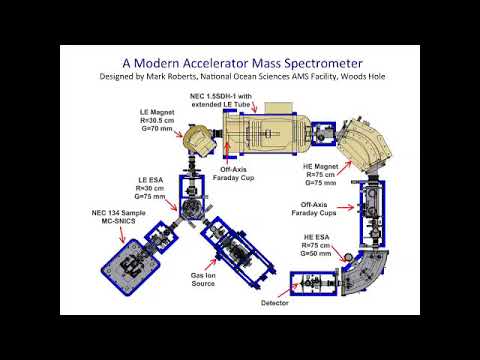
You know that feeling when you find an old coin in your pocket? Like, whoa, how did this even get here? It’s kinda like that with Accelerator Mass Spectrometry, or AMS for short. It’s this super cool tool that helps scientists look back into time. Imagine being able to figure out how old a bone is or trace where ancient people used to live just by analyzing tiny bits of material. That’s what AMS does! So, whether you’re digging up fossils or checking out climate changes from thousands of years ago, this little gadget plays a big role. And trust me, it’s wilder than it sounds! Let’s chat about how it all works and why it’s become a favorite in modern science. Accelerator Mass Spectrometry: … Accelerator Mass Spectrometry in Modern Scientific ResearchRead more
Harnessing Atomic Emission Spectroscopy for Scientific Progress
So, picture this: you’re at a party, and someone pulls out a laser pointer. Suddenly, everyone’s like kids again, chasing that little dot around the room! That’s kind of how atomic emission spectroscopy works. It’s like shining a light on elements to see what they’re made of. Seriously, it can tell you about everything from the stars in the sky to bad water quality. Imagine being able to peer into the very essence of matter. Sounds a bit like magic, huh? But it’s all science, and it’s pretty darn cool! In this piece, we’re going to explore how scientists are using this fancy technique to unravel mysteries from tiny samples – and maybe even improve our lives along the way. You ready for this ride? … Harnessing Atomic Emission Spectroscopy for Scientific ProgressRead more
Advancements in Atomic Emission Spectrophotometry Techniques
Alright, so picture this: you’re at a party, and someone brings out their fancy new spectrophotometer. What’s that? It’s like a science gadget that tells you what elements are in stuff, like magic but with atoms! Seriously, though, atomic emission spectrophotometry is super cool. It’s all about figuring out what makes up different materials by looking at the light they give off. I mean, how neat is it that you can literally see the universe’s building blocks just by shining a light on them? And let me tell ya, there have been some pretty mind-blowing advancements lately. We’re talking about fancier techniques and sharper tools that make this whole process faster and more accurate. So grab your lab coat (or not), because we’re diving into … Advancements in Atomic Emission Spectrophotometry TechniquesRead more
Advancing Science with X Ray Spectrometry Techniques
Okay, picture this: you’re at a science fair. Someone’s showing off their latest invention—an X-ray machine that looks more like a sci-fi gadget than anything else. You think, “Wow, is that really how science works?” Well, sort of! X-ray spectrometry is one of those behind-the-scenes rockstars in the world of science. It’s all about taking a peek inside materials without even touching them. Seriously, it’s like having superpowers! But here’s the thing: it’s not just for flashing cool images; it reveals the hidden secrets within atoms and molecules. You can’t help but feel excited about what we can learn! So let’s chat about how these techniques are shaking things up in research and making discoveries happen faster than ever before. Sound good? Exploring the Most … Advancing Science with X Ray Spectrometry TechniquesRead more
Advancements in Surface Enhanced Raman Spectroscopy Techniques
Okay, imagine this: you’re at a party. Someone spills red wine on the carpet, and you’re like, “Oh no, that’s gonna leave a stain!” But what if I told you there’s a fancy science trick that can tell you exactly what kind of grape made that wine? Enter Surface Enhanced Raman Spectroscopy, or SERS for short. It sounds super high-tech and kinda intimidating, right? But stick with me here. This cool technique is like having a superhero pair of glasses for scientists. It helps them see the tiniest details in materials—molecules and all that jazz—just by shining light on them. I mean, come on! Who wouldn’t want to know what’s going on at a molecular level? With recent advancements making SERS even more powerful and … Advancements in Surface Enhanced Raman Spectroscopy TechniquesRead more
FTIR Techniques for Advancing Scientific Research and Outreach
So, picture this: you’re at a party, right? You’ve got a slice of pizza in one hand and your drink in the other. Suddenly, someone starts raving about this super cool tool called FTIR — Fourier Transform Infrared Spectroscopy. Sounds fancy, huh? You might be thinking, “What even is that?” Well, let’s break it down. FTIR is kind of like having a magic decoder ring for molecules. Seriously! It helps scientists figure out what stuff is made of by looking at how it interacts with infrared light. This technique isn’t just for lab coats and test tubes though. It’s making waves in science outreach too! Imagine explaining complex ideas in a way that actually sticks with people. That’s where FTIR comes into play. So grab … FTIR Techniques for Advancing Scientific Research and OutreachRead more
Emission Spectroscopy in Modern Scientific Research
Alright, picture this: you’re at a carnival, and you spot one of those spinning lights that shift colors like crazy. You can’t help but be mesmerized, right? Well, that’s a bit like what emission spectroscopy does, but way cooler. You see, scientists use this technique to peek at the universe in a totally unique way. It’s all about light—specifically, how substances give off light when they’re heated or excited. Imagine being able to figure out what something is made of just by looking at its colors! It’s honestly like having superpowers for analyzing materials! Whether it’s stardust or a drop of ocean water, emission spectroscopy helps us understand the world around us. Come on, who wouldn’t want to learn about that? Real-Life Applications of Emission … Emission Spectroscopy in Modern Scientific ResearchRead more
Advances in EPR Spectroscopy for Scientific Research
Okay, picture this: You’re sitting at a science fair, and someone shows you a cool gadget that can basically read the secrets of molecules. I mean, how awesome is that? That’s kind of what EPR spectroscopy does. EPR, or Electron Paramagnetic Resonance, sounds fancy, right? But it’s like having a superpower for scientists to peek into the behavior of unpaired electrons. It’s used in all sorts of research—from chemistry to biology. But here’s the kicker: EPR has been taking some huge strides lately. New developments are popping up left and right. This isn’t your grandpa’s science anymore! So, let’s unravel what makes these advances so exciting and why they matter in the lab (and even beyond). You’ll want to stick around for this ride! Cutting-Edge … Advances in EPR Spectroscopy for Scientific ResearchRead more
Illuminating Molecular Structures with CD Spectroscopy
You know, I once tried to impress a friend by explaining how our bodies are, like, made of trillions of tiny molecules. It was going great until I mentioned something called CD spectroscopy. The blank stare I got back was priceless! But seriously, CD spectroscopy? It’s not as scary as it sounds. Imagine shining a light on those little molecules and watching how they bend and twist. It’s like they’re showing off their dance moves! This technique helps scientists figure out the structure of proteins and other cool stuff at the molecular level. Kind of wild, huh? So let’s unravel this together and see what all the fuss is about! Understanding Molecular Structures: The Role of Circular Dichroism Spectroscopy in Scientific Research Okay, let’s chat … Illuminating Molecular Structures with CD SpectroscopyRead more
Harnessing UV Spectrometry for Scientific Applications
Alright, so imagine this: you’re out at the beach, soaking up the sun. Suddenly, you realize your sunscreen’s like a superhero with a hidden power. It’s shielding you not just from burns but also from some serious UV rays that can mess you up. Pretty wild, huh? This got me thinking about UV light and how it’s not just out there trying to get us tanned or burnt. Nope! Scientists have figured out how to harness those rays for something way cooler—like UV spectrometry. Sounds fancy, right? But here’s the kicker: it’s not just about testing your sunscreen anymore. This tool is taking off in all sorts of scientific adventures! From checking water purity to figuring out what’s going on in far-off galaxies. So let’s … Harnessing UV Spectrometry for Scientific ApplicationsRead more
Advancing Science Through TOF Spectroscopy Innovations
You know that feeling when you open a bag of chips, and the first crunch is just perfection? Well, imagine if science had a similar “crunch” moment. That’s kind of how I feel about TOF spectroscopy. Seriously, it’s like the ultimate tool for scientists. So, what’s the deal with it? Time-of-Flight (TOF) spectroscopy measures how long it takes particles to travel a set distance. I mean, it sounds simple, right? But trust me, this stuff can be super powerful. I remember sitting in my freshman chemistry class, half asleep but suddenly wide awake when we saw this cool demo. The professor fired up this fancy machine — all lights and beeps— and out came data that could tell us about molecules in a flash! It … Advancing Science Through TOF Spectroscopy InnovationsRead more
X Ray Photoemission Spectroscopy in Modern Scientific Research
Did you know that the very first X-ray was discovered by accident? Yep, Wilhelm Röntgen was just messing around in his lab, and bam! He stumbled upon something that changed science forever. Now, imagine using X-rays not just to see bones in your hand but to dive deep into materials at a microscopic level. That’s where X-ray photoemission spectroscopy, or XPS for short, comes in. It’s like having a superpower that lets scientists peek inside materials to uncover their secrets. Crazy, right? You’d be surprised at how much we can learn about everything around us—from tiny gadgets to complex biological systems—thanks to this cool technique. Let’s unpack this together and explore how XPS is shaking things up in modern research! X-Ray Photoemission Spectroscopy: Advancements and … X Ray Photoemission Spectroscopy in Modern Scientific ResearchRead more
Advancements in XPS for Surface Chemistry Investigations
Alright, so picture this: You’re at a party, and someone brings out a fancy microscope. Everyone gathers around, peering into it like kids in a candy store. You’d think it was the latest tech craze, right? But what if I told you that there’s something even cooler happening in the world of surface chemistry? So, let’s chat about X-ray Photoelectron Spectroscopy—or XPS for short. Seriously, it sounds like something straight out of a sci-fi movie! This technique is like the ultimate detective for surfaces. Want to know what makes up that shiny new phone? Or how your favorite sunscreen interacts with your skin? That’s where XPS steps in. It’s not just about looking cool; it’s about digging deep into the nitty-gritty stuff at the atomic … Advancements in XPS for Surface Chemistry InvestigationsRead more
Flight Mass Spectrometry: Advancements in Analytical Science
So, picture this: you’re at a party, and someone starts talking about how they can identify the chemical makeup of stuff just by using some fancy science gadget. You’re like, “Wait, what?!” Yup, that’s basically flight mass spectrometry for you! This buzz-worthy tech is all about separating and analyzing tiny particles. It’s wild how it can tell you what’s in a sample faster than you can say “scientific breakthrough.” I mean, think of it like this: if you’ve ever tried figuring out what’s in your favorite snack—like, is that really chocolate or is it some weird substitute?—flight mass spectrometry can help crack that code. It’s shaking up the world of analytical science in ways you never thought possible. So let’s break it down together and … Flight Mass Spectrometry: Advancements in Analytical ScienceRead more
Advancements in Time of Flight Spectrometry Techniques
You know that feeling when you’re waiting for a package to arrive? The suspense can be killer. Well, in the world of science, researchers are kinda doing the same thing. They’re waiting too—waiting for particles to travel a certain distance so they can figure out what they are. Sounds intriguing, right? That’s where Time of Flight Spectrometry comes into play. It’s like having a super precise stopwatch and a keen eye for details all rolled into one. You see, scientists measure the time it takes for particles to zip through space—kinda like you counting down the seconds until your pizza arrives. With new tech popping up all the time, it’s getting more exciting than ever! Seriously, these advancements could change how we understand everything from … Advancements in Time of Flight Spectrometry TechniquesRead more
Advancements in ToF Mass Spectrometry for Scientific Research
So, picture this: you’re at a party, and there’s this one super nerdy friend who brings along their shiny gadget that’s supposed to tell you everything about your favorite drink. You know, like what it’s made of and how it was made. Well, that’s sort of what Time-of-Flight (ToF) mass spectrometry does but with molecules instead of cocktails! Seriously! This tech is like the superhero cape for scientists, helping them uncover secrets hidden in the tiniest particles. Imagine being able to analyze everything from space dust to your morning coffee with just a flip of a switch. It’s like giving researchers x-ray vision for chemical composition. And honestly? The advances in ToF mass spectrometry lately have been pretty mind-blowing—like the future is here kind of … Advancements in ToF Mass Spectrometry for Scientific ResearchRead more
Vernier Spectral Analysis in Modern Scientific Research
You know that moment when you’re staring at a rainbow, wondering how it’s all those colors in the sky? Well, that’s kind of what spectral analysis is all about! Imagine breaking light down into its individual colors like peeling an onion, layer by layer. So, spectrometers are these nifty tools that help scientists do just that. It’s like playing detective with light. Seriously, these devices can tell us everything from the composition of distant stars to what’s brewing in your morning coffee. Yeah, you heard it right! In modern research, vernier spectrometers have become superheroes in the lab. They’re not just cool gadgets; they’re vital for unraveling mysteries—big and small. Let’s take a closer look at why this tool is such a game changer in … Vernier Spectral Analysis in Modern Scientific ResearchRead more
Advances in GC Mass Spectroscopy for Environmental Science
You know that moment when you catch a whiff of something funky in the air and you can’t quite place it? Maybe it’s a skunk, or maybe it’s just your neighbor grilling on Tuesday. But what if I told you scientists have a cool way to figure out exactly what’s floating around in our environment? Yeah, enter GC mass spectrometry. It sounds complicated, right? But don’t let the fancy name fool you! It’s actually like a detective tool for scientists to hunt down chemicals in our air, water, and soil. Imagine being able to dissect the tiniest traces of pollutants or toxins. Yep, these gadgets are basically superheroes for environmental science. It feels like just yesterday when I stumbled into my first lab and saw … Advances in GC Mass Spectroscopy for Environmental ScienceRead more
ATR FTIR Spectroscopy Applications in Scientific Research
You know those moments when you accidentally spill coffee on your favorite shirt? It’s like an irreplaceable disaster, right? Well, imagine if we could just zap away that stain with science. Yeah, I know it’s a bit far-fetched, but stick with me! So, here’s the thing: ATR FTIR Spectroscopy might not be your go-to party topic, but it’s like a secret superhero in scientific research. It’s kind of the go-to tool for figuring out what makes stuff tick at a molecular level. Scientists use it to investigate everything from new medicines to environmental samples, uncovering secrets that are otherwise hidden. With its fancy name and cool tech, ATR FTIR is all about analyzing materials without messing them up. Isn’t that neat? It’s like getting to … ATR FTIR Spectroscopy Applications in Scientific ResearchRead more
Chemical Analysis and Its Role in Modern Science
You know that moment when you mix baking soda and vinegar? The fizzing reaction is like a mini volcano in your kitchen! It’s super fun, but also a tiny glimpse into the world of chemical analysis. Chemical analysis is kind of like being a detective for substances. It helps scientists figure out what’s really going on with everything—we’re talking from your morning coffee to the air you breathe. Imagine that! It’s not just a lab thing; it’s everywhere. Every time you check if your food’s safe or test the water in your favorite swimming pool, chemical analysis has got your back. So, let’s dive into why this funky science matters so much today! The Integral Role of Chemistry in Advancing Modern Scientific Discoveries So, let’s … Chemical Analysis and Its Role in Modern ScienceRead more
The Role of UV-Vis Spectra in Modern Scientific Research
You know that moment when you’re outside, and you think you’re all set with your sunscreen? Well, then there’s a sneaky patch of skin getting sunburned, ’cause you just missed a spot. That’s kinda like how ultraviolet (UV) light works. It’s out there, doing its thing, but we can’t see it. But scientists? Oh man, they’ve got ways to peek into that invisible world! Enter UV-Vis spectroscopy—a fancy tool that, with a sprinkle of science magic, lets researchers see what materials absorb light and how much. Seriously, it sounds like stuff from a sci-fi movie, but this technique is super crucial in modern research. Whether it’s figuring out new drugs or spotting pollution in water sources—it’s all connected! So let’s unpack how this nifty bit … The Role of UV-Vis Spectra in Modern Scientific ResearchRead more
ATR FTIR Spectroscopy in Chemical and Material Science
You know that moment when you catch a whiff of something, and it brings back a flood of memories? Like the smell of fresh cookies reminding you of grandma’s kitchen? Well, that’s kind of what ATR FTIR spectroscopy does, but instead of cookies, it’s all about analyzing materials at a molecular level. Wild, right? Imagine if you could peek into the very building blocks of stuff—like plastics, paints, or even your favorite fabric. That’s what we’re getting into here! ATR FTIR is like the superhero sidekick for chemists and materials scientists. It helps them understand what things are made of in an instant! So whether you’re a science nerd or just curious about how things work, hang tight! We’re gonna explore how this nifty technique … ATR FTIR Spectroscopy in Chemical and Material ScienceRead more