You know that feeling when you try to open a jar and your wrist feels like it’s about to revolt? Seriously, who knew our wrists were such complex little joints, right?
I mean, think about it. They do all the heavy lifting—or, well, let’s say twisting. From your morning coffee sips to your late-night scrolling, the wrist is a total MVP.
And yet, most of us don’t really think about what’s happening in there. There are bones, ligaments, tendons—all kinds of stuff working together like a mini factory just so we can wave hello or binge-watch that show everyone’s been talking about.
So come with me as we unravel this intricate dance of bones and soft tissue that makes up our wrists. You’ll never look at them the same way again!
Exploring the Anatomy of the Hand and Wrist: A Comprehensive Guide for Scientific Understanding
Sure! Let’s get into the nitty-gritty of your hand and wrist anatomy. It’s pretty cool how our hands work, right? They’re like, super complex little machines that we often take for granted.
So, the basic structure of your hand includes bones, muscles, tendons, nerves, and ligaments. It’s all about coordination and movement. Here’s how it breaks down:
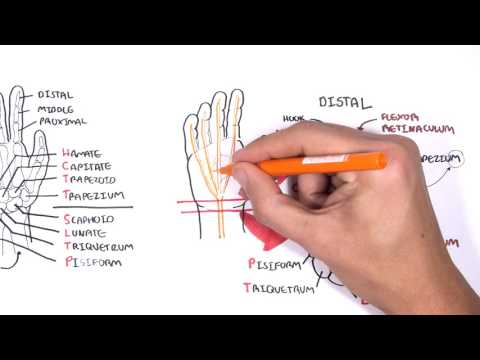
- The Bones: Your hand consists of 27 bones! Yep, 27! This includes the carpals (the eight bones in your wrist), the metacarpals (the five long bones in your palm), and the phalanges (the 14 finger bones). The wrist carpals are divided into two rows: proximal and distal.
- The Joints: These bones come together to form joints, allowing for movement. The most notable ones are the wrist joint, where the forearm meets the hand, and various finger joints that let you bend and straighten them.
- The Muscles: There are intrinsic muscles (located within the hand) that help with gripping and fine motor skills. Then there are extrinsic muscles from your forearm that control larger movements. Ever tried to open a jar? Those big forearm muscles are doing most of the work!
- Tendons: These fibrous cords connect muscles to bones. Your fingers can flex or extend thanks to tendons running through them. When you want to curl your fingers to grab something? Yeah, those tendons work hard!
- Nerves: The sensation in your hands comes from nerves like the median nerve. It helps with feeling things like heat or texture! Ever touched something super cold? That nerve is what told your brain to jump back!
- Ligaments: These strong bands of tissue hold everything together by connecting bone to bone. They provide stability while still allowing flexibility.
Now let’s talk about why this matters. Our hands do loads of stuff daily—typing on a keyboard or giving a high five—and understanding their anatomy is key when it comes to preventing injuries or dealing with conditions like carpal tunnel syndrome.
Thinking back on my first time learning about all this was such an eye-opener! I was trying to figure out why my wrist hurt after binge-watching a series while scrolling through social media for hours on end—who hasn’t been there? Learning about how muscles and tendons work made me realize how easy it is for us to injure ourselves without even thinking twice.
So yeah, now whenever I feel that slight twinge in my wrist after a long day at work or play, I remember how intricate and important these structures are—not just for movement but also for protecting us from harm.
In short: Our hands aren’t just tools; they’re masterpieces of biology! Every time you wave goodbye or text a friend, remember there’s some serious science behind those moves!
Comprehensive Guide to Wrist Anatomy: Understanding Tendon Structures and Functions in Human Biology
The wrist is a pretty amazing part of your body, like a tiny control center for all those intricate movements you take for granted. Seriously! It connects your hand to your forearm and allows for a range of motions. But what’s really going on under the surface? Let’s break it down.
First off, the wrist isn’t just one bone—it’s made up of **eight small bones** called carpals. These little guys form two rows: the proximal row (closer to your forearm) and the distal row (closer to your hand). Each carpal bone has its own name: scaphoid, lunate, triquetrum, pisiform, trapezium, trapezoid, capitate, and hamate. They all work together to provide stability and flexibility.
Now let’s talk about **tendons**. Tendons are tough cords that connect muscles to bones. You have a bunch of tendons running through your wrist that control finger movements. For example, when you want to grab something, muscles in your forearm contract and pull on these tendons.
Here are a few key tendons:
- The **flexor tendons** help bend the fingers and thumb.
- The **extensor tendons** allow you to straighten them out.
- Some special tendons help with movements like pinching or turning your wrist.
What happens is that these tendons run through tunnels called **tenosynovial sheaths**, which protect them and make movement smoother. Think of it like having a slick highway for those tendons; it keeps them from getting stuck or damaged.
But wait—there’s more! The **ligaments** in your wrist also play a crucial role. Ligaments connect bones to other bones. In this case, they stabilize those eight carpal bones—you don’t want them just flopping around! Two major ligaments are:
- The **radiocarpal ligament**, which supports movement between the radius bone in your forearm and the scaphoid and lunate bones.
- The **ulnocarpal ligament**, linking the ulnar bone (the one on the pinky side) with carpal bones.
Tendons and ligaments working together ensures that your wrist stays stable during all sorts of activities—like typing away on your computer or tossing a ball around with friends.
Speaking of friends… I remember trying to impress mine by doing some cool stunts with my skateboard when I was younger. One wrong move sent me crashing down right onto my wrist; ouch! My wrist hurt for weeks because I overstretched some ligaments as well as messed up my tendons a bit. But hey, it was a lesson learned about how important this complex structure really is!
And let’s not forget about blood supply! The wrist receives blood from several arteries—including the radial and ulnar arteries—ensuring everything gets enough oxygen and nutrients to function properly.
So there you have it! Your wrist may seem simple at first glance but dive deeper, and you’ll find an intricate system of bones, tendons, ligaments—and layers upon layers of functionality packed into one tiny area that’s essential for everyday life! Next time you wave goodbye or catch that falling remote control? Thank your wrist anatomy for making it all happen!
Understanding Wrist Anatomy: A Comprehensive Study of the Bones Involved in Human Motion
The wrist is a pretty amazing piece of machinery. Seriously, it’s like a mini engineering marvel that allows us to do everything from typing to throwing a ball. So, let’s get into the nitty-gritty of wrist anatomy and see what makes it tick!
First off, the wrist isn’t just one solid bone—it’s made up of multiple bones that work together. In fact, there are eight small bones in the wrist, known as the carpal bones. These little guys are arranged in two rows:
- Proximal row: Scaphoid, lunate, triquetrum, pisiform.
- Distal row: Trapezium, trapezoid, capitate, hamate.
You might not think much about these bones on a daily basis, but they play crucial roles in our hand movements. For instance, when you wave goodbye or give someone a thumbs-up (which we all know is super important), those carpal bones make it all possible by allowing a range of motion.
Now let’s zoom in on these bones individually—like they’re stars in their own show! The **scaphoid** is especially interesting because it’s the most commonly fractured bone of all the carpals. If you ever fall on your outstretched hand (which can happen when you’re trying to catch yourself), this little guy takes the brunt and can crack under pressure.
Then there’s the **lunate**, which shapes like a crescent moon and helps connect with a lot of other important structures in your hand. It’s pretty essential for motions like flexing your wrist—think about wiping off crumbs from your shirt; that takes some serious coordination!
The **triquetrum** and **pisiform** also have their roles—like being part of a support team that stabilizes things as you move your hand around.
And moving down to the distal row—the **trapezium** bone is what allows you to pull off that epic opposable thumb action! This means you can grasp things or hold onto objects without dropping them all over the place (unless you’re really clumsy!).
Speaking of grip strength—let’s not forget about how these tiny bones interact with larger structures like **muscles**, **tendons**, and overarching nerves. Your wrist isn’t just sitting there; it’s constantly receiving signals from different muscles that tell it how to move! The tendons connect muscles to these bones and pull them into action so you can perform delicate tasks or hefty lifts.
Oh! And I should mention something cool here: Each time you move your wrist—a simple flick or twist—you’re engaging even more than just those eight carpal bones. The radius and ulna (the two long bones in your forearm) are also working hard at this point, helping create stability while allowing mobility.
Injuries can happen too—tendinitis or carpal tunnel syndrome might sound scary but often come from repetitive motions over time. It’s kind of like when an old toy battery keeps running low after too much use—it just needs some TLC—or maybe less usage for recovery.
So yeah, next time you’re typing away on your phone or playing Frisbee with friends after work, remember: those eight little carpal bones (along with some friends) are working overtime to make sure you don’t drop everything! And appreciating this complex network might just give you newfound respect for one heck of an anatomical design!
You know, every time I think about the wrist, I’m struck by how much we take it for granted. Seriously, just imagine trying to do simple stuff like typing on your phone or pouring a cup of coffee without it. There’s a lot going on in that little joint—way more than you’d expect.
The wrist is this intricate structure made of bones, ligaments, tendons, and cartilage that all work together seamlessly. It’s not just one solid piece; rather, it’s like a little orchestra where each part plays its own tune but has to harmonize with the others. There are eight small bones in the carpal area alone! That’s right—eight! They’re arranged in two rows and give your wrist its flexibility and movement.
And can we talk about ligaments for a second? These guys are like the glue holding everything together. They’re tough bands of tissue that connect bones to other bones—basically keeping your skeleton intact while allowing you to wave goodbye or do an enthusiastic jazz hand when something exciting happens. Oh, and tendons? They connect muscles to bones and play a crucial role when you want to make those fingers dance across a keyboard or grip something tightly.
I remember this one time when I thought I could impress my friends by trying out some advanced yoga poses. It didn’t end well; let’s just say my wrist had other ideas about what would be fun that day! But honestly, that little mishap made me appreciate how delicate yet strong our wrists really are.
So next time you stretch your arms or reach for something high up on a shelf, take a moment to acknowledge all that’s happening in your wrist. It’s pretty amazing how such a small part of our bodies can have such an important job. We might not think about it often, but our wrists deserve some serious gratitude for all they do!