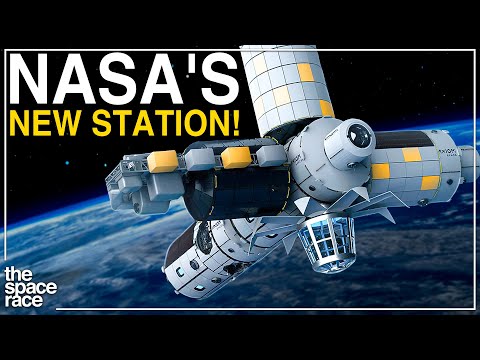
So, have you ever thought about what it’s like to live in a giant metal can floating in space? Sounds kinda wild, right? Well, that’s basically NASA’s Space Station.
Imagine astronauts floating around with their food in bags and experiments drifting alongside them. It’s kind of like a cosmic dinner party, but without gravity.
What’s really cool is all the crazy scientific stuff happening up there. Seriously, they’re not just playing zero-gravity tag! They’re doing research that could change life on Earth and beyond.
From making super-strong materials to maybe growing plants better than we can down here—it’s like science fiction come to life. So grab a snack and settle in; we’re diving into some of the coolest innovations sprouting from NASA’s out-of-this-world lab!
Exploring Scientific Innovations: Experiments Conducted on the International Space Station
Alright, let’s talk about the cool stuff happening on the International Space Station (ISS). It’s basically like a big science lab floating in space! Astronauts up there conduct experiments that help us understand various things that we can’t really figure out here on Earth. Why? Well, because microgravity changes everything.
Picture this: remember when you were a kid and tried to see how high you could jump? Imagine doing that in space where there’s almost no gravity. Pretty different, right? This lack of gravity allows scientists to study how things behave without the influence of Earth’s pull. It opens up a whole new way to look at science!
- Material Science: Scientists are testing new materials up there. Like when they mix metals or chemicals together, they can see how they react without gravity messing things up. For example, the Solidification by Graduated Cooling experiment is all about understanding how materials solidify in space vs. on Earth.
- Cancer Research: Believe it or not, some experiments focus on cancer cells. By observing how these cells behave in microgravity, researchers hope to find new treatment methods. The ISS is helping us learn more about their growth patterns and resistance to drugs.
- Protein Crystallization: Proteins are important for nearly everything in our bodies—like building muscles and fighting off illness. In space, proteins can form larger and better crystals than they do on Earth because of that low gravity environment! These crystals are easier for scientists to study under microscopes.
- Psycho-social Research: It’s not all about physical science; human behavior is part of this gig too! Researchers look into how being in space affects astronauts’ mental health and teamwork skills over long periods. Since the ISS crew lives together for months at a time, their experiences help us understand group dynamics better.
If you ask me, one of the most fascinating aspects is how these experiments might lead to advancements down here on Earth. For instance, technologies developed for managing waste or water recycling on the ISS have found applications in disaster relief scenarios back home!
You know what else is cool? The potential for future missions to Mars and beyond! The ISS acts like a testing ground where scientists can figure out what works best before we send humans further into space—like figuring out life-support systems or growing food away from home.
This connection between living systems and scientific exploration just blows my mind! So next time you think about space travel or hear about experiments aboard the ISS, remember it’s not just science fiction—it’s happening right now!
Groundbreaking Scientific Discoveries Enabled by the International Space Station
The International Space Station (ISS) has been orbiting Earth since 1998, and let me tell you, it’s been a massive playground for science! Researchers from all over the world have teamed up to make mind-blowing discoveries. So, what kind of groundbreaking stuff has come out of this high-tech lab in space? Let’s break it down.
Microgravity Research is a big deal on the ISS. You see, when astronauts are floating around in space, gravity takes a back seat. This unique environment allows scientists to study how things behave without the usual pull of gravity messing with their experiments. For instance, researchers can examine how fluids move or how materials bond in ways that would be impossible on Earth.
One cool example is the study of protein crystals. On Earth, proteins can form imperfect crystals because gravity interferes with their growth. But in microgravity? They grow larger and more perfectly! That helps scientists understand structures better. Take the case of drugs designed to treat diseases; understanding these structures makes it easier to develop more effective treatments.
Another interesting area is human health. Life aboard the ISS isn’t exactly a walk in the park for astronauts. They face changes in their bodies due to microgravity—things like muscle atrophy and bone density loss. By studying these effects, researchers are gathering vital data that could help improve health not just in space but also on Earth as we get older.
Then there’s plant growth. Growing plants in space isn’t just about having salads on long missions; it’s also a key part of learning how to cultivate food during long-duration flights or even future Mars missions. Experiments with different lighting conditions have shown us that plants can adapt and thrive even when they don’t have soil like we do here!
Now let’s talk about materials science. The ISS serves as an incredible laboratory for testing new materials under conditions you can’t find anywhere else. For example, NASA has studied how metals behave when melted and solidified in space versus on Earth—opening doors for better manufacturing processes back home.
And hey, don’t forget about earth sciences. The ISS has amazing views! Satellites gather a ton of data about our planet’s climate and environment from up there. Live data from astronauts helps monitor natural disasters like hurricanes or wildfires much more effectively than from ground-based observations alone.
The take-home point? The research done aboard the ISS isn’t only about advancing space exploration—it impacts life right here, too! From improving medicines to tackling climate change challenges. So next time you gaze up at that bright spot zipping across the night sky—remember all those groundbreaking scientific discoveries happening aboard that remarkable spacecraft!
Exploring NASA’s Most Innovative Inventions: A Journey Through Groundbreaking Scientific Advancements
Alright, so let’s chat about some of the coolest innovations that NASA has come up with over the years. I mean, seriously, NASA doesn’t just send rockets to space and call it a day. They’re constantly pushing boundaries and coming up with groundbreaking tech.
1. Water Recycling System
Imagine being on the International Space Station (ISS) for months without a shower! Not exactly glamorous. To solve that, NASA developed an amazing water recycling system. It takes waste water—like from astronauts’ sweat or even their breath—and cleans it up so it’s safe to drink again. This is basically like magic, turning what would otherwise be trash into refreshing H2O!
2. Advanced Robotics
Robots are super important in space exploration because they can do things humans can’t—or shouldn’t—do in harsh environments. The robotic arms on the ISS help move equipment and even assist astronauts during spacewalks! Fun fact: that iconic arm called Canadarm2 has helped capture visiting spacecraft and fix satellites outside the station.
3. 3D Printing
You’ve heard of 3D printing, right? Well, NASA took this tech to space! They’ve been using 3D printers on the ISS to create tools and parts right there in orbit instead of having to send everything from Earth. This is huge because it saves time and resources, plus it means astronauts can get what they need without waiting for resupply missions.
4. LED Lighting
Astronauts need light—lots of it—but different kinds at specific times can help keep their sleep patterns regular while living in microgravity. So, NASA equipped the ISS with smart LED lighting systems that mimic natural sunlight cycles, which helps maintain health and focus while onboard.
5. Health Monitoring Tech
Living in space changes how your body works; bones weaken, muscles atrophy… it’s a whole thing! To keep tabs on all this stuff, NASA developed wearable health monitoring devices for astronauts that track their vital signs in real-time. This innovation helps ensure they stay healthy during long missions.
Let me share a quick story: there was this astronaut who had been on a long mission aboard the ISS—a real trooper! He began feeling sick but thanks to those health monitoring gadgets designed by NASA, his team was able to catch an early warning sign remotely before he got seriously ill! Pretty impressive how tech like that can literally save lives!
6. Space Farming
Food isn’t just about filling your stomach; it’s about nutrition too! On board the ISS, NASA has been experimenting with growing plants in space—yeah, you heard me right! They’re testing out different crops under controlled conditions to figure out what could be grown on long-duration missions to Mars or beyond.
In short, these inventions show just how innovative NASA is when adapting technology for life in space—and even bringing some of those ideas back down to Earth for our everyday lives too! So next time you hear “NASA,” remember they’re not just blowing up rockets; they’re crafting cool solutions for challenges we didn’t even know existed until we started floating around in weightlessness!
You know, when you think about NASA’s Space Station, it’s hard not to get a bit excited. I mean, we’re talking about a giant lab floating in space! It’s like something out of a sci-fi movie, except it’s real and people are up there working every day, doing some mind-blowing stuff.
Just the other day, I was reading about how astronauts are using 3D printers to make tools right on the station. Can you imagine that? Instead of blasting off with a whole suitcase full of spare parts and gizmos, they can just whip up exactly what they need on demand. That’s pretty incredible when you think about how resourceful that makes them.
And then there’s all the research on how our bodies react in microgravity. Seriously, it kind of freaks me out to imagine living in a place where everything is floating around. Just think about the astronauts who came back after long missions—they faced changes in bone density and muscle mass. It’s like their bodies had to adapt to living where gravity doesn’t really exist. Wow!
I remember watching a documentary where an astronaut shared his experience of looking out at Earth from space for the first time. He talked about this overwhelming sense of connection to our planet and how fragile it seemed so small against the backdrop of infinity. You could almost feel his emotions through the screen—like he was seeing things in a whole new light. That perspective sparks creativity too! Innovations that come from studying life up there can actually help us down here improve everything from medicine to technology.
And let’s not forget about collaboration! The Space Station is like an international melting pot; scientists from all over the world come together with one goal—advancing human knowledge. Isn’t it wild to think that even though we’ve got borders down here on Earth, up there it’s all hands on deck for discovery?
In a way, everything happening at NASA’s Space Station reminds me that curiosity is such an important part of being human. We’re always pushing boundaries and asking “What if?” Whether it’s sending humans further into space or figuring out how plants grow without soil and sunlight—innovation seems endless!
So yeah, every time I hear news from the Space Station or see those captivating images coming back home, I can’t help but feel inspired by what we can achieve together when we look beyond our little corner of the universe. It gives me hope for our future; if we can work together up there, maybe we can solve some of Earth’s toughest challenges too!