You know what’s wild? There are more bacteria in your gut than there are stars in the galaxy. Yeah, I know, it sounds kinda crazy. But there’s a reason your tummy is sometimes called your second brain.
So, let’s talk about something important: bowel ischemia. Sounds serious, right? It is! Basically, it’s when blood flow to the intestines gets messed up, and that can really throw you for a loop! But here comes the cool part—radiology is stepping up its game to help catch this condition early on.
Imagine this: you’re just chilling out, maybe munching on some chips while binge-watching your favorite series. Suddenly, boom! You’re hit with a gut feeling—literally—that something’s not quite right. That’s where these new advancements in radiology come into play. They’re like superheroes swooping in to figure out what’s going on inside without any invasive stuff. Pretty neat, huh?
Let’s dig into how these high-tech tools are changing the way doctors diagnose bowel ischemia and why it matters for all of us!
Optimal Imaging Modalities for Diagnosing Bowel Ischemia: An In-Depth Analysis
When we chat about bowel ischemia, we’re diving into something pretty serious. Basically, it’s when the blood flow to the intestines is reduced. This can cause pain and lead to some major complications if not caught in time. So, what about imaging? You wanna know which methods work best for diagnosing this condition.
First up is CT Angiography. This one’s a big player in the game. It offers detailed images of blood vessels and can reveal problems like blockages or narrowed arteries in your abdomen. One day, I remember my friend was experiencing severe stomach pain, and his doctor ordered a CT angiogram. It was like a light bulb moment when they spotted an arterial blockage that explained everything!
Next on the list is Ultrasound. This technique is super handy because it’s non-invasive and doesn’t use radiation. It helps visualize blood flow and detect any issues with bowel perfusion (that’s a fancy term for blood supply). Sometimes they use Doppler ultrasound, which can show how well blood flows through the arteries.
Another method we can’t ignore is MRI. Magnetic Resonance Imaging isn’t used as often as CT but has its perks! It gives great soft tissue contrast without radiation exposure. And while it might take longer than other methods, it can be really useful in certain situations involving bowel ischemia.
Then there’s X-ray, but honestly? It’s kind of old school for this issue. You might see it used more for initial checks or to rule out other problems like perforations or obstructions rather than straight diagnosing ischemia.
Also worth mentioning are nuclear medicine scans. They involve using small amounts of radioactive material to assess blood flow in the intestines. It can be valuable too! Though it’s not commonly used as first-line imaging due to its complexity and availability.
Another thing to keep in mind is that doctors often use a combination of these modalities. Sometimes they’ll start with an ultrasound or X-ray and then move on to CT or MRI for more details if needed. That’s because each method has its strengths and weaknesses.
So there you have it! When tackling bowel ischemia, choosing the right imaging can make all the difference between catching it early or missing those crucial signs. The advancements in radiology continue to give us better tools for diagnosis—definitely exciting times ahead!
Key Diagnostic Tests for Predicting Intestinal Ischemia: Insights from Contemporary Medical Research
It’s one of those days that starts normal, and then everything turns upside down. Imagine someone you care about suddenly feels sharp pain in their belly, and you have to figure out what’s going on. Intestinal ischemia is this serious condition that happens when blood flow to the intestines is reduced. It can lead to tissue damage, and if it’s not caught in time, well, things can get pretty dicey.
We’ve come a long way in figuring out how to diagnose this condition quickly and effectively. Medical research has really stepped up its game lately, especially in radiology—the science of using imaging technology to see inside the body. Let’s break down some of the key diagnostic tests that are helping doctors predict intestinal ischemia.
CT Angiography is a biggie. Basically, doctors use a CT scan along with a special dye that highlights blood vessels. This technique allows for a detailed view of blood flow to the intestines. It helps identify blockages or narrowing in the blood vessels delivering oxygen-rich blood to those organs. You can understand how critical this is since timely diagnosis can save tissue from dying.
Another method is Ultrasound. This one might remind you of those baby scans—like magic! It uses sound waves to create images of your insides. For intestinal ischemia, Doppler ultrasound measures blood flow in real-time. If there’s reduced or absent blood flow detected during this test, it’s a red flag worth investigating further.
Then there’s MRI (Magnetic Resonance Imaging). While it’s not as frequently used for acute cases like CT angiography, it provides fantastic soft tissue contrast which can be super helpful for more chronic conditions or when other options aren’t clear cut.
Let’s also talk about x-rays, which might seem old-school compared to fancy CTs and MRIs but still have their place in diagnosing bowel issues like ischemia! X-rays can reveal signs like air under the diaphragm or free air indicating perforation—another big warning sign for doctors.
And gosh, we can’t forget about lab tests, specifically looking at metabolic markers! They won’t give a direct picture of ischemia but can provide hints if something is seriously off; things like elevated lactate levels could indicate that tissues aren’t getting enough oxygen.
Now let me sprinkle in some human element here: Picture this—A friend once had sharp abdominal pain that came and went for days before finally hitting an ER where they did a quick CT scan with contrast. Moments later they had clarity: it was one small vessel causing all that chaos! The quick action spared my friend extensive surgery and recovery time too.
So there you have it! The advances in radiology are making waves when it comes to diagnosing intestinal ischemia. Each test has its strengths and weaknesses, but together they form an arsenal against something pretty scary. Detecting it early means better outcomes—not just on paper but really living life without fear lurking around every corner!
Imaging Insights into Acute Mesenteric Ischemia: A Pathophysiological Approach to Diagnosis
Acute mesenteric ischemia is like a sneaky villain when it comes to gut health. Essentially, it’s a condition where blood flow to the intestines is restricted or cut off, causing serious trouble. Imagine your gut screaming for oxygen and nutrients, but there’s just no blood supply getting through. Not cool, right?
The diagnosis can be pretty tricky, and that’s where imaging comes into play. Thanks to advancements in radiology, doctors have some powerful tools at their disposal for diagnosing this condition more effectively. Computed Tomography (CT) scans are often the go-to method. They provide detailed pictures of the blood vessels and can show if there’s a blockage or reduced blood flow in the mesenteric arteries.
In fact, with a CT scan, doctors can see things like:
- Vascular occlusion: This happens when an artery that supplies blood to your intestines is blocked.
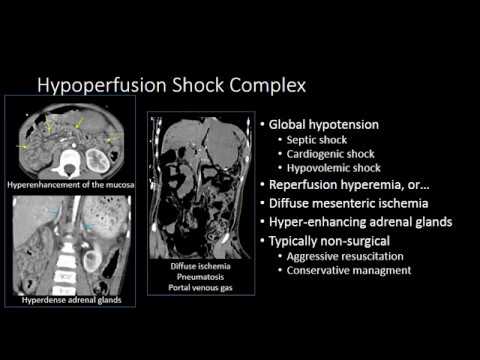
- Bowel wall changes: They might spot swelling or thickening of the bowel wall which indicates distress.
- Pneumatosis intestinalis: Basically gas bubbles in the bowel wall—definitely not something you want to see.
Another valuable technique is MRI, which provides images without radiation exposure. It’s especially useful for patients who might need repeated imaging or those sensitive to radiation. But here’s a fun fact: MRIs take longer than CT scans and may not be as widely available in emergency settings.
Speaking of availability, let’s chat about Ultrasound. While it won’t give you all the details that a CT scan does, it can still be super helpful—especially in evaluating blood flow in real-time! You know those moments when you feel pain and just want some quick answers? Ultrasound can sometimes help out fast!
Now let’s put this all together with an example. Imagine someone goes to the ER with intense abdominal pain. The doc suspects acute mesenteric ischemia and quickly orders a CT scan because it’s fast and gives lots of details about what’s happening with their blood vessels. If the scan shows an occlusion in one of those arteries, immediate action is required! It could mean surgery or other treatments right away.
Understanding how these imaging techniques work gives both patients and healthcare providers better insights into what might be happening inside when conditions like acute mesenteric ischemia strike. It’s serious stuff—nobody wants their gut going haywire due to lack of blood flow! So basically, these advancements aren’t just geeky technology; they’re lifesavers in disguise—helping identify problems before they turn into worse situations.
So yeah, that’s why utilizing modern radiological techniques is crucial in diagnosing acute mesenteric ischemia efficiently!
So, let’s talk about bowel ischemia, which is basically when your intestines don’t get enough blood. It’s super serious and can cause all kinds of trouble if not caught early. But the good news? Radiology has seriously ramped up its game recently, giving doctors better tools to diagnose this condition faster and more accurately.
I remember reading a story about a guy named John, who was really active and loved hiking. One day, he started feeling intense stomach pain but thought it was just some bad tacos. When the pain didn’t go away, he finally went to the doctor. Thanks to some fast-thinking radiologists using advanced imaging techniques, they spotted signs of bowel ischemia right away. Imagine how relieved he must’ve felt knowing they could treat him before things got worse!
Now, jumping back into the science side—traditional imaging methods like X-rays or even standard ultrasounds often didn’t catch these issues right on time. But with advancements in CT scans and MRIs, things have changed dramatically! These technologies can create super detailed images of your insides—basically like taking a peek under a high-definition microscope.
What happens is radiologists can now spot subtle changes in blood flow that might indicate ischemia long before it gets out of hand. CT angiography is one method that can show how well blood vessels are working. It’s like checking if your car’s engine is running smoothly before it breaks down on the highway!
Still, you have to think about how this impacts patients’ lives too. Just by improving diagnosis methods, doctors can start treatment earlier which often leads to better recovery chances. It’s wild when you consider how technology can save lives—or at least help keep people off the operating table when possible.
All in all, these advancements in radiology aren’t just technical upgrades; they’re life-saving tools that help medical teams tackle tough conditions like bowel ischemia head-on. So next time someone mentions radiology or imaging tech, remember there’s a lot more behind those machines than meets the eye!