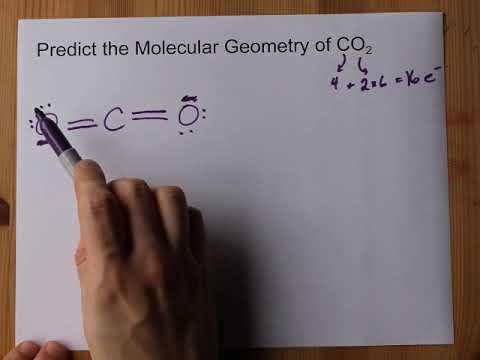
You know that feeling when you’re trying to figure out why your plant is wilting, and it turns out it’s not getting enough CO2? Yeah, it’s kinda wild how carbon dioxide plays a role in not just plants, but like, life itself! So, the thing is, CO2 isn’t just a gas you exhale. It’s got this cool structure that makes it super important in the chemistry game. I mean, did you ever think about how something so simple can have such a big impact? When you break down its molecular geometry, it’s like opening a treasure chest of information. You start to see how shapes affect interactions and reactions in all sorts of ways. It’s kind of profound when you think about it! Stick around … Molecular Geometry of CO2 and Its Role in ChemistryRead more
Chemistry
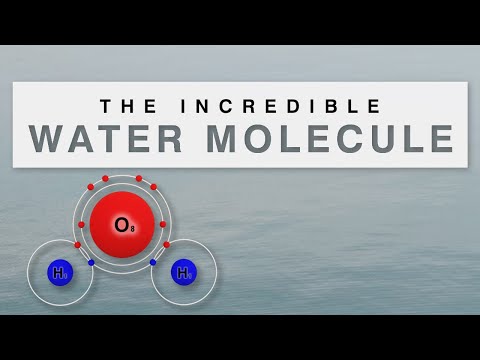
Molecular Geometry of Water: Unveiling H2O’s Shape and Behavior
You know that moment when you just can’t figure out why your coffee spills all over the table? Yeah, it’s annoying. But believe it or not, it’s all about the shape of water molecules! So, water is this weird stuff that seems super simple at first glance. But dive a little deeper, and it gets interesting—like a science party trick! The way those tiny hydrogen and oxygen atoms team up shapes how water behaves. Seriously! Imagine pouring a glass of water. That’s more than just H2O splashing around; it’s a tale of angles and bonds playing out right before your eyes! Stick around as we unravel the funky geometry of water and why it matters in our everyday lives. Spoiler alert: it’s not just about … Molecular Geometry of Water: Unveiling H2O’s Shape and BehaviorRead more
Vapor Liquid Equilibrium and Its Role in Science Research
You know that moment when you’re boiling water for pasta, and you see those little bubbles forming? It’s like, “Whoa, look at all that action!” Well, that’s a sneak peek into something called vapor-liquid equilibrium. Sounds fancy, right? But trust me, it’s pretty cool. Imagine if you could figure out how to make those bubbles pop just right or how to keep your hot coffee steamy. What’s really wild is that scientists look at this stuff all the time! They’re trying to understand why some liquids evaporate faster than others or how we can create better materials for everything from energy to medicine. So yeah, vapor-liquid equilibrium isn’t just a nerdy concept stuck in chemistry books. It’s got real-world implications and can help solve problems … Vapor Liquid Equilibrium and Its Role in Science ResearchRead more
Chemistry Table: A Tool for Science Enthusiasts and Learners
You know that moment when you’re trying to remember if sodium’s a solid or a gas, and your brain just says “uhh”? Yeah, we’ve all been there! Chemistry can be like a rollercoaster, twisting and turning with elements you never knew existed. But here’s the thing: you don’t have to be a wizard in lab coats to get it. That’s where the chemistry table comes in. It’s not just some boring chart filled with numbers and symbols; it’s like your personal cheat sheet to understanding the building blocks of everything around us! Imagine having a buddy who always knows what every element does. Pretty handy, right? Whether you’re deep into your studies or just curious about what makes stuff tick, this table can be your … Chemistry Table: A Tool for Science Enthusiasts and LearnersRead more
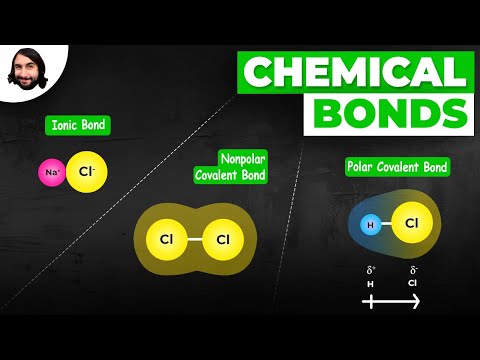
Polar and Nonpolar Covalent Bonds in Chemical Interactions
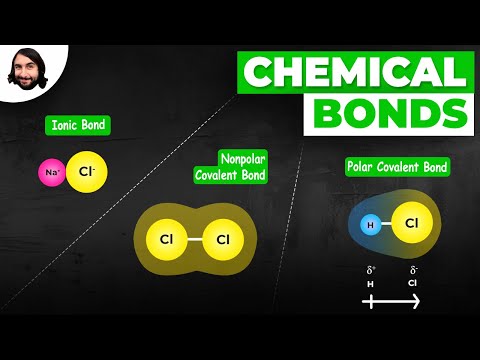
So picture this: You’re at a party, and you see two people trying to start a dance-off. One’s all about the smooth moves, while the other is just doing their own thing, totally out of sync. It’s kinda like that when it comes to polar and nonpolar covalent bonds in chemistry! You’ve got these atoms hanging out, sharing electrons. But some are more demanding than others. They pull harder for those electrons—like someone hogging the dance floor! That’s where polar covalent bonds come in. Then there are the chill ones, you know? The nonpolar bonds just go with the flow, sharing electrons evenly without any drama. They’re all about that harmony! Understanding these two types of bonds is key to figuring out how everything interacts … Polar and Nonpolar Covalent Bonds in Chemical InteractionsRead more
Sigma Bonding: The Backbone of Molecular Structure and Stability
You know what’s wild? The fact that most of what makes up everything around you is held together by something called sigma bonds. Yeah, I know it sounds like some geeky secret society, but it’s actually super cool! Picture this: atoms are like party-goers at a wild bash, and sigma bonds are the dance moves that keep them glued together. So, why should you care about these invisible dance partners? Well, they’re the backbone of molecular structure and stability. Without them, things would get pretty chaotic—like a party without any good tunes! Let’s chat about how these little bonds shape our world. Ready to dive into the chemistry of connections? Examining the Stability of Sigma Bonds in Chemical Structures: A Scientific Perspective When we talk … Sigma Bonding: The Backbone of Molecular Structure and StabilityRead more
The Role of Nonpolar Covalent Bonds in Molecular Stability
So, picture this: you’re at a party, and everyone’s talking about their latest obsession with molecular biology. You roll your eyes, thinking about how boring it sounds. But wait! What if I told you there’s something super cool hiding in those molecules? Yup, I’m talking about nonpolar covalent bonds! You might be thinking, “What in the world is that?” Well, hang on! Imagine two best friends who just get each other. They share everything equally—like pizza slices or favorite movies. That’s pretty much what a nonpolar covalent bond does with atoms. These little guys are like the glue that holds some of your favorite molecules together. Without them, a lot of what makes life interesting would just fall apart! So let’s take a fun look … The Role of Nonpolar Covalent Bonds in Molecular StabilityRead more
Ph3 Lewis Structure and Its Importance in Chemistry
You know when you’re sitting in class, and the teacher starts talking about Lewis structures? It feels like a foreign language, right? Like, why do we even care about dots and lines on a piece of paper? Well, let me tell you: understanding the Ph3 Lewis structure is kind of a big deal in chemistry. It’s like getting the secret handshake into molecule-ville. Without it, navigating chemical bonds feels like trying to find your way in a dark room. I remember once trying to impress this cute classmate by drawing out some complex molecule on my notebook. Spoiler alert: I totally messed it up! But that little mishap made me appreciate how important these structures are. They give us a window into how atoms connect … Ph3 Lewis Structure and Its Importance in ChemistryRead more
Chemical Physics: Bridging Chemistry and Physics in Research
You know that moment when you mix baking soda and vinegar, and it erupts like a mini volcano? It’s kind of magical, right? Well, that’s just a tiny peek into the world of chemical physics! Imagine if you could dive deeper into that fizzy excitement. Chemical physics is where chemistry and physics shake hands—like, seriously! It’s all about understanding how stuff behaves at the tiniest levels. Picture yourself at a lab bench, goggles on, trying to figure out why a certain reaction happens faster than others. It feels like you’re unlocking secrets of the universe with every little experiment. That’s what makes this field so thrilling! So, let’s explore this bridge between atoms and energy together. You in? Exploring the Interconnection Between Physics and Chemistry … Chemical Physics: Bridging Chemistry and Physics in ResearchRead more
Ana Chem: Bridging Chemistry and Public Engagement in Science
You know, once I spilled a bottle of vinegar and baking soda at a party. Let’s just say, the volcano experiment took over the kitchen! People were laughing and running around, but deep down, I could see some of them were genuinely fascinated by the bubbling mess. That’s kind of what Ana Chem is all about. It’s this cool initiative that connects chemistry with everyday life and engages the public in science in a fun way. Imagine mixing science with your favorite hobbies or even food — it just makes everything more interesting, right? It’s like digging into a pizza and discovering how those toppings interact on a molecular level. You follow me? So let’s chat about Ana Chem and how it bridges that gap … Ana Chem: Bridging Chemistry and Public Engagement in ScienceRead more
Engaging with the Wonders of Physical Chemistry in Daily Life
You know that moment when you pop a bubble in your soda, and it fizzes like a mini volcano? Pretty cool, right? That’s chemistry in action. And trust me, physical chemistry is everywhere—like, literally. You might not realize it, but every time you brew your morning coffee or bake cookies, you’re engaging with some serious science. It’s not just about memorizing elements or equations. It’s about understanding why things happen the way they do. So let’s chat about the wonders of physical chemistry in our daily lives! There’s way more to it than meets the eye. From how your favorite snacks taste to why ice melts in that drink of yours—it’s all connected. Ready to see the magic behind the mundane? Buckle up; this is … Engaging with the Wonders of Physical Chemistry in Daily LifeRead more
Engaging with the AP Chemistry Periodic Table in Education
You know that feeling when you look at the periodic table and it just seems like a bunch of boxes and letters? Yeah, I totally get it. It once reminded me of that messy handwriting from my physics teacher. All those elements jumbled together — it’s enough to freak anyone out! But here’s the thing. Every one of those boxes tells a story. Seriously! Each element has its own personality, quirks, and history. Some are shy, some are super reactive, and others? They’re just chilling in their corner. When you dig a little deeper, the periodic table transforms from a scary wall of symbols into something way cooler. It becomes a map to understanding science better. Seriously! So let’s chat about how we can make … Engaging with the AP Chemistry Periodic Table in EducationRead more
Engaging Young Minds in the Chemistry Lab
So, picture this: You’re in a chemistry lab, surrounded by beakers and test tubes. Suddenly, someone drops a container of baking soda into vinegar. Boom! Instant volcano! Seriously, who doesn’t love a cool fizzing reaction? That’s the beauty of chemistry—it’s messy, it’s fun, and it makes you go “Whoa!” every time. But here’s the thing: getting kids excited about chemistry doesn’t just happen by accident. It takes some creativity and a sprinkle of that “let’s do science!” energy. Imagine how awesome it would be if kids could see just how powerful and fun science can be in their own lives. You know? Just think about all those moments when they light up with curiosity—it’s magic! Engaging Chemistry: Creative Strategies for Fun and Effective Teaching in … Engaging Young Minds in the Chemistry LabRead more
Chemistry in Action: Engaging Projects for Young Scientists
You know that moment when you mix vinegar and baking soda? Yeah, that little volcano erupts and makes a mess, but it’s super exciting! That fizzing explosion is just one tiny glimpse into the wild world of chemistry. Seriously, chemistry is like magic you can see and touch. It’s all around us, from the air we breathe to the food we eat. But here’s the thing: it can feel a bit daunting sometimes, right? Like, where do you even start if you wanna dive in? Well, I’ve got something cool for you! Imagine being a young scientist, whipping up colorful concoctions in your kitchen or making slime that glows under a black light. How fun would that be? This isn’t just about textbooks and formulas. … Chemistry in Action: Engaging Projects for Young ScientistsRead more
Innovations in Chemical Laboratories and Scientific Outreach
You know that movie where they make a volcano explode with baking soda and vinegar? Yeah, that’s basically the tip of the iceberg when it comes to cool stuff happening in chemical labs. I mean, if you think about it, science is like a never-ending magic show, right? Now, imagine all the wild innovations bubbling up in those sterile lab environments. Seriously, it’s not just white coats and safety goggles. There’s so much excitement going on! From eco-friendly materials to groundbreaking medical breakthroughs, the way chemists approach their work is changing faster than you can say “Eureka!” And don’t even get me started on scientific outreach! It’s like throwing open the lab doors and saying, “Hey everyone, come check this out!” Scientists are trying to … Innovations in Chemical Laboratories and Scientific OutreachRead more
Chemistry Lab: Engaging Minds Through Scientific Discovery
So, picture this: you’re in a chemistry lab, and someone accidentally spills a bright blue liquid that bubbles and changes colors. Everyone jumps back, half-laughing, half-screaming. Welcome to the wild world of chemistry! You know, there’s something magical about mixing stuff together and seeing what happens. It’s like being a wizard in a lab coat! Chemistry isn’t just about boring equations or serious textbooks. It’s all about discovery and curiosity. Like, seriously! Every reaction tells a story, and each experiment is an adventure waiting to unfold. From exploding volcanoes made of baking soda to colorful chromatography with markers, the possibilities are endless. You follow me? Science can be fun, exciting, and totally mind-blowing! Let’s jump into how chemistry can spark your imagination and engage your … Chemistry Lab: Engaging Minds Through Scientific DiscoveryRead more
Innovations in Chemistry Plants for Sustainable Solutions
So, picture this: you’re in the kitchen, trying to whip up a delicious meal, and suddenly, your favorite pan catches on fire. Yikes! You grab the baking soda and toss it on like a hero. Well, that little moment of panic is actually a fun reminder of how chemistry sneaks into our everyday lives. Now, let’s think bigger. Chemistry isn’t just about putting out kitchen fires or mixing potions in a lab. It’s all around us, shaping our world in ways we often overlook. Seriously! It even plays a huge role in making our planet healthier. These days, scientists are cooking up some pretty wild innovations in chemistry plants to tackle big challenges like pollution and waste. Imagine using plants to create sustainable solutions for … Innovations in Chemistry Plants for Sustainable SolutionsRead more
Chemical Elements and Their Role in Everyday Life
So, check this out: You know that moment when you’re grabbing your morning coffee? It’s not just that rich aroma that wakes you up; it’s chemistry in action! Seriously. Every time you take a sip, you’re sipping on a mix of chemical elements that come together to create that deliciousness. Kinda wild, huh? But here’s the thing: we’re surrounded by these little guys called chemical elements all the time. They’re not just in your drinks or snacks; they play roles in everything from the air we breathe to the phones we use. It’s a bit like an invisible cast of characters running around and keeping our lives interesting—although you probably don’t think about them much, you know? So let’s explore their everyday magic and see … Chemical Elements and Their Role in Everyday LifeRead more
Unveiling the Wonders of the Periodic Table in Chemistry
So, here’s a fun fact. Did you know that there are over 100 elements in the periodic table? Yep, at least 118! That’s like a chemistry party where every guest has its own quirks and personality. I remember my high school chemistry teacher trying to get us all excited about it by telling us how some of these elements are more useful than others. Like, who knew helium was used for balloons and also for making your voice sound funny? It’s kind of wild when you think about it. The periodic table isn’t just some boring chart hanging on a classroom wall. It’s like this epic map of everything that makes up our universe! You can find everything from gold, which makes jewelry sparkle, to … Unveiling the Wonders of the Periodic Table in ChemistryRead more
CLF3 Lewis Structure and Its Molecular Geometry Insights
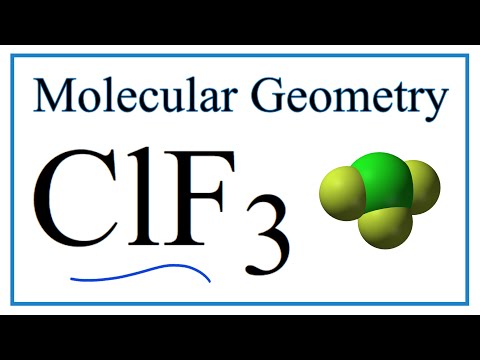
So, picture this: you’re at a party, and someone casually mentions CLF3. You look around, and half the room nods knowingly while you’re just standing there like, “Huh?” Well, you’re not alone! CLF3 might not be on everyone’s lips, but it’s pretty wild when you break it down. You know how in chemistry class they make it sound all complicated? The truth is, once you get into the Lewis structure of this molecule and its shape, it’s like piecing together a puzzle. It’s fascinating stuff! In fact, every molecule tells a story. The way atoms bond together can tell us so much about their behavior and properties. So grab your thinking cap because we’re diving into the cool world of CLF3—the chlorine trifluoride that has … CLF3 Lewis Structure and Its Molecular Geometry InsightsRead more
Ionic Bonds: The Chemical Connection that Powers Life
So, picture this: you’re at a party, right? Music’s bumping, food everywhere, and suddenly you spot someone across the room. You feel that instant connection. Like, boom! That’s kinda what happens with atoms when they form ionic bonds. Yeah, I know it sounds a bit nerdy to compare chemistry to parties, but stay with me here. Ionic bonds are like that magical link that helps so many things in life come together. Seriously! They keep our bodies functioning and make up loads of stuff we interact with every day. You see, life as we know it wouldn’t be what it is without these tiny connections happening behind the scenes. They’re not just for science class; they’re totally woven into the fabric of our existence. So … Ionic Bonds: The Chemical Connection that Powers LifeRead more
The Role of Pi Bonds in Chemical Reactions and Structures
You know that moment when you’re trying to balance a pencil on your finger? It’s all about that sweet spot, right? One little shift, and boom! The pencil just falls. Well, in the world of chemistry, atoms are kind of like that pencil. They need just the right connections to stay stable and do their thing. So, let’s talk about pi bonds. They’re like those extra links in a friendship that really keep things interesting. You’ve got your sigma bonds holding things together but then there are pi bonds adding that extra flair to the party! They play a crucial role in chemical reactions and give structures their unique shapes. Imagine a dance-off between molecules—pi bonds are the funky moves that make everything way cooler! … The Role of Pi Bonds in Chemical Reactions and StructuresRead more
The Importance of Atomic Symbols in Modern Chemistry
Alright, picture this: you’re at a dinner party, right? The conversation flows, and someone drops a bomb—literally—a fun fact about how lithium can make fireworks turn pink. How cool is that? But here’s the kicker: if they hadn’t said “Li” first, would you have even known what they were talking about? Atomic symbols are like secret codes for chemists. They’re not just letters; they pack a whole lot of meaning in those tiny characters! Imagine trying to chat about chemistry without them—it’d be like reading a book written in a language you don’t understand. So, let’s unravel why these little symbols are such big deals in the world of chemistry. You following me? It’s gonna be fun! The Significance of Symbols in Chemistry: Understanding Their … The Importance of Atomic Symbols in Modern ChemistryRead more
Visualizing the PCl3 Lewis Structure for Better Chemistry Insights
So, imagine you’re in a chemistry class, right? You’re staring at the board, and there’s this weird-looking molecule called PCl3. You’re thinking, “What’s up with that?” Well, let me tell ya, it can feel like deciphering some alien language. But once you get the hang of it, it’s like a light bulb goes off! You start to see connections everywhere. The Lewis structure of PCl3 is kinda like love notes for atoms—it shows how they want to bond and hang out together. Just picture phosphorus sitting there with its three chlorine buddies, all trying to figure out who gets the last slice of pizza. Crazy imagery? Sure! But seriously, understanding this stuff can totally level up your chemistry game. So let’s break it down together … Visualizing the PCl3 Lewis Structure for Better Chemistry InsightsRead more
Visualizing the Lewis Structure of SF6 in Chemistry
You know, the other day I was looking at some chemical structures, and I stumbled upon this funky molecule called SF6. Seriously, it sounds like a sci-fi movie title or something! But it’s not just cool-sounding; it’s interesting too. This bad boy is a gas that plays a big role in the world of electricity and electronics. Who knew chemistry could be this dramatic? So if you’ve ever wondered how to visualize the Lewis structure of SF6—or even why you should care—stick around. It’s time to break down those dots and lines over a casual chat, just like we’re catching up over snacks! Mastering the Molecular Structure of SF6: A Step-by-Step Guide for Science Enthusiasts So, let’s chat about SF6, shall we? This compound is … Visualizing the Lewis Structure of SF6 in ChemistryRead more
Common Examples of Covalent Bonds in Everyday Life
You know that moment when you try to pull apart two pieces of tape and they just won’t budge? It’s like they’re best friends, refusing to let go. That’s kinda like covalent bonds. They’re the strong relationships between atoms that make up a ton of stuff we use every day. Seriously, you might not think about them while sipping coffee or chopping veggies, but they’re everywhere! So, let’s chat about some common examples of covalent bonds in our daily lives. You’ll be surprised at how these little connections make a big impact! Exploring the Role of Covalent Bonds in Everyday Life: Applications in Chemistry and Beyond Covalent bonds are like the best friends in the world of chemistry; they stick together and share things. Basically, … Common Examples of Covalent Bonds in Everyday LifeRead more
Diatomic Molecules and Their Role in Chemistry and Nature
So, picture this: you’re at a party, right? You’re chatting with someone, and they take a sip of their drink. It’s just water, but did you know that water is made up of two hydrogen atoms bonded to one oxygen atom? That’s a diatomic molecule doing its thing! It’s wild to think about how many everyday things come down to these tiny little pairings. Seriously, diatomic molecules are like the unsung heroes of chemistry and nature. They’re everywhere! Oxygen that keeps us alive? Yep, it’s diatomic! Nitrogen in the air we breathe? You got it—diatomic again. Let’s dig into why these simple little guys are such a big deal in the grand scheme of things. Trust me; you’ll start seeing science in a whole new … Diatomic Molecules and Their Role in Chemistry and NatureRead more
The Role of Pi and Sigma Bonds in Chemical Reactions
Alright, picture this. You’re at a party, and there’s this super charming couple on the dance floor. They’re moving perfectly in sync, right? That’s kind of how pi and sigma bonds work in chemistry. Weird analogy? Maybe! But hear me out. These two types of bonds are like the ultimate dance partners in the world of atoms. Sigma bonds are all about that solid connection. They hold things together nice and tight, just like a good hug from your favorite friend. Then there’s pi bonds, which are more like those spontaneous twirls you do when you’re feeling free. They bring a little flair to the mix but need that sigma bond to really shine. So, if you want to understand how these bonds shape chemical … The Role of Pi and Sigma Bonds in Chemical ReactionsRead more
Comparing Pi Bonds and Sigma Bonds in Molecular Chemistry
You know that moment when you’re watching a rom-com, and the characters just can’t seem to get their signals straight? Well, that’s kind of what happens in molecular chemistry with pi bonds and sigma bonds! I mean, it’s all about connections, right? So, let’s break it down. Imagine two people trying to hold hands. That’s a sigma bond—nice and strong! But then there are those flirty side hugs that just feel… well, a bit less committed. That’s your pi bond for ya! In molecular terms, these two types of bonds are the real MVPs when it comes to holding molecules together. One’s all about strength and stability while the other brings some flair. Curious? Stick around as we dig into the world of bonds! Exploring … Comparing Pi Bonds and Sigma Bonds in Molecular ChemistryRead more
Sigma and Pi Bonds: Foundations of Chemical Bonding
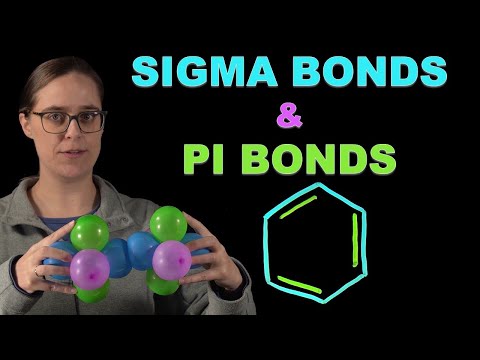
You know that feeling when you can’t find your keys, and they’re, like, right there on the counter? It’s frustrating, right? Well, in chemistry, it’s kind of like how atoms feel around each other. They want to connect! Let’s chat about sigma and pi bonds—two essential ways atoms link up to form molecules. Picture it: you’re at a party, and everyone’s trying to get cozy on the dance floor. Sigma bonds are those solid pairs: they hug tight and rock side to side. But pi bonds? They’re more of a wild twirl. It’s all about how atoms bond and create everything from water to DNA! Seriously, these bonds are the very foundations of what makes our world go round. So grab a snack or something … Sigma and Pi Bonds: Foundations of Chemical BondingRead more
Bronsted Lowry Theory and its Role in Modern Chemistry
Alright, picture this: you’re at a party, hanging out with your friends. Someone tries to brag about their pH balance, and out of nowhere, you chime in about Bronsted-Lowry theory. Crickets, right? But here’s the deal—Bronsted-Lowry isn’t just some nerdy chemistry talk. It actually helps us understand how acids and bases work. Like, did you know that every time you sip on lemonade or even splash some vinegar into your salad dressing, you’re getting up close and personal with these concepts? This theory’s got a huge role in modern chemistry. It’s like the ultimate behind-the-scenes guide that explains why some things taste sour and others are sweet. So, let’s dive into this world where we’re all just exchanging protons like they’re party favors! The Significance … Bronsted Lowry Theory and its Role in Modern ChemistryRead more
Chemical Bonds: The Foundation of Molecular Interactions
You know that feeling when you find the perfect pair of socks? They just fit, and you wonder how you ever lived without them. Well, that’s kind of how atoms feel when they form chemical bonds. Seriously! Atoms don’t just float around like lost socks. They’re on a mission to connect with others, creating all the stuff we see around us. Like, without these bonds, we’d be living in a world made of lonely atoms, and that sounds pretty dull, right? So, what exactly is this bond business? It’s about how atoms stick together to form molecules. And let me tell you, it’s a lot more exciting than it sounds! From the air we breathe to the water we drink—bonds are everywhere. Let’s explore this … Chemical Bonds: The Foundation of Molecular InteractionsRead more
Chemical Bonds: Foundations of Matter and Interaction
So, let’s talk about chemical bonds for a sec. You know, those little connections that hold everything together? It’s wild to think that what makes up your favorite snack, the couch you’re lounging on, or even the air we breathe all boils down to these tiny forces. Crazy, right? Once my buddy tried to impress everyone with a science fact. He blurted out that every object around us is made of atoms sticking together like best buds at a party. And honestly, he was onto something! It turns out these bonds are the life of the party in the world of chemistry. They decide how substances behave and interact with each other. Without them? Well, we’d just have a big pile of stuff with zero … Chemical Bonds: Foundations of Matter and InteractionRead more
Polar Covalent Bonds: The Chemistry of Shared Electrons
So, let me tell you a little story. When I was in high school, my chemistry teacher had this weird thing about bonding. Like, he made it sound like some epic romance movie. “Electrons are like lovers,” he’d say with a twinkle in his eye. And we’re all sitting there, trying not to laugh while wondering what on earth he was talking about. Anyway, that’s how I got curious about polar covalent bonds. They’re kind of like the quirky relationships in your life—some partners are all about sharing their snacks, and others just take what they want. You follow me? Polar covalent bonds happen when atoms decide to share electrons but do it kinda unevenly. It’s chemistry’s way of saying, “Hey, let’s share, but I’m … Polar Covalent Bonds: The Chemistry of Shared ElectronsRead more
Engaging Students in AP Chemistry Through Hands-On Experiments
So, picture this: you’re in high school, sitting at your desk staring at a textbook full of formulas and chemical symbols. Totally thrilling, right? Not quite! But what if I told you that those boring pages could lead to some seriously cool explosions? Well, maybe not explosions, but definitely some awesome reactions! Here’s the thing—AP Chemistry can feel like a mountain of info to climb. But hands-on experiments are like the secret trail that makes the trek way more exciting. You know what I mean? Imagine actually mixing stuff together and watching it bubble or change color instead of just memorizing it from a book. That’s where the magic happens! When students get their hands dirty (well, semi-dirty), they engage in a whole new way. … Engaging Students in AP Chemistry Through Hands-On ExperimentsRead more
Chemical Bonds: The Foundation of Molecular Science
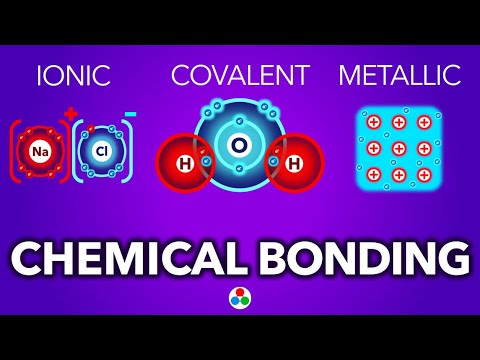
So, picture this: you’re at a party, and everyone is mingling, right? Suddenly, you spot that one person who just seems to have an unshakeable connection with everyone. That’s kinda how chemical bonds work! These little connections are what hold molecules together. Seriously! They’re like the social glue of the universe—and without them, well, imagine a world where water spills everywhere, or life as we know it wouldn’t even exist. It’s wild to think about how these bonds shape everything around us—from the air we breathe to the food we eat. You see what I’m getting at? It’s not just science; it’s all around you. So, let’s break it down and chat about the ins and outs of chemical bonds! Exploring the Three Types of … Chemical Bonds: The Foundation of Molecular ScienceRead more
Chemistry in Action: Engaging Students in AP Science
You know that moment when you accidentally mix baking soda and vinegar, and it erupts like a mini volcano? Yeah, that. Pure magic in the kitchen! Well, that’s what chemistry can feel like. Just a bit of pizzazz added to everyday life. It’s all about reactions—literally! Some folks might think chemistry is just a bunch of boring equations and lab coats, but let me tell you, it can be way more than that. Imagine flipping through your everyday routine and suddenly realizing how much chemistry is buzzing around you. From the food you eat to the air you breathe, it’s everywhere! And here’s the kicker: getting into AP science doesn’t have to be all about memorizing formulas. So why not jazz things up? Let’s chat … Chemistry in Action: Engaging Students in AP ScienceRead more
Chemical Bonds: The Invisible Forces of Nature’s Molecules
You know that moment when you try to open a jar, and it just won’t budge? You twist and pull, maybe you even give it a little whack. It feels like the lid is glued on. Well, that’s a bit what chemical bonds are like! They’re those invisible forces holding molecules together—stronger than your dreams of opening that stubborn jar. And guess what? These bonds are everywhere, working behind the scenes in everything from breathing to baking cookies. Seriously! Ever thought about why water is different from hydrogen gas? It’s all about the bonds. So let’s chat about these magical connections. They’re not just for nerds in lab coats; they’re what makes our world tick! The Strongest Bond in Nature: Exploring the Science Behind Atomic … Chemical Bonds: The Invisible Forces of Nature’s MoleculesRead more
Chemical Bonding: The Foundation of Matter and Life
You know that feeling when you’re trying to hold onto a helium balloon and it just wants to float away? It’s super annoying, right? But, like, that’s a perfect example of how things in our world are all about bonding—or not bonding—in this case. Chemical bonding is kinda like the glue of everything around us. Seriously! Without it, life as we know it wouldn’t even exist. Picture atoms as these little party-goers looking for connections. Sometimes they vibe together and sometimes they clash—kind of like your friends at a get-together. So yeah, chemical bonds are the foundation of matter and life itself. Whether you’re munching on your favorite snack or sipping on coffee, those tasty experiences come down to some serious atom action behind the … Chemical Bonding: The Foundation of Matter and LifeRead more
The Fascinating Journey of Atom Orbits in Chemistry
You know, I once tried to explain chemistry to my little cousin. I told him that atoms are like tiny solar systems. He looked at me wide-eyed and asked if we could get a spaceship to visit them. Kids, right? But seriously, atoms are way cooler than you might think. They’re not just boring building blocks of everything around us; they dance and twirl in their own little orbits! So, what’s all the fuss about atom orbits? These little pathways are where the magic happens in chemistry. When atoms hook up, it’s like they’re doing a cosmic dance! In this wild trip through the universe of atom orbits, you’ll discover how these invisible paths shape everything from the air we breathe to the food we … The Fascinating Journey of Atom Orbits in ChemistryRead more
Harnessing Chemistry for Sustainable Energy Solutions
You know that feeling when you’re trying to light a campfire but end up with more smoke than flames? Yeah, been there! It’s a bit like how our planet feels with energy these days. We’ve got all these awesome resources around us, but getting them to work together is the tricky part. Chemistry, my friend, is the key ingredient here—seriously! Imagine mixing stuff up in your kitchen, not just for dinner, but to power your home! Sounds wild? Well, that’s exactly what some brilliant minds are doing. From sunny solar cells to funky battery breakthroughs, it’s like chemistry is throwing a party for energy solutions. And you’re invited! Let’s chat about how we can turn those clever chemical reactions into a cleaner future. Exploring the … Harnessing Chemistry for Sustainable Energy SolutionsRead more
Harnessing Chemical Energy for a Sustainable Future
Imagine you’re at a barbecue, right? The smell of those burgers sizzling on the grill is heavenly. But have you ever thought about what’s happening to that charcoal? Yep, it’s all about chemical energy turning into heat. Wild, huh? Now, if only we could harness that energy in a way that doesn’t, you know, mess up our planet. That’s the juicy part! Chemical energy is everywhere—like in the food we eat or even in batteries. It has tons of potential for helping us create a more sustainable future. But here’s the kicker: we’ve got to figure out how to use it wisely. There’s a whole world of innovation waiting in the wings, and it’s super exciting! Imagine powering your home or your car with clean … Harnessing Chemical Energy for a Sustainable FutureRead more
Innovations in Energy Chemistry for a Sustainable Future
You know, the other day I was watching a cooking show where they turned leftovers into gourmet meals. I mean, how cool is that? It got me thinking about all the food we waste and how inventive we can be with what we’ve got. Well, here’s the thing: energy is kinda like that too. We have to be creative with our resources if we want a sustainable future. Seriously, there’s so much happening in energy chemistry these days! From turning sunlight into fuel to finding new ways to store energy—it’s like science fiction but real! Imagine powering your phone with thin air or making electricity from a pizza slice. Okay, maybe not the pizza part, but you get the vibe! So, let me tell you: … Innovations in Energy Chemistry for a Sustainable FutureRead more
The Fascinating World of Ionic Compounds in Chemistry
You ever think about salt? I mean, like, really think about it? It’s everywhere! On your fries, in your kitchen, even in the ocean. But here’s the kicker: it’s not just a tasty seasoning. Salt is an ionic compound! Yeah, that’s right! So, what does that even mean? Well, let’s break it down. Ionic compounds are like the cool kids in the chemistry world. They’re formed when atoms swap electrons—kind of like trading cards at recess. But ionic compounds aren’t just about salt; they’re way more fascinating than that! Think of how they’re used in everything from batteries to fireworks. You know? It’s wild how something so everyday can hold so much science behind it. So grab a snack (maybe some popcorn sprinkled with that … The Fascinating World of Ionic Compounds in ChemistryRead more
The Role of Ionic Bonds in Chemical Reactions and Compounds
You know what’s funny? When I was a kid, I thought all those science classes about atoms and bonds were just some boring stuff. But then one day, my teacher said something like, “Ionic bonds are like the power couples of chemistry!” And that totally clicked for me. Imagine atoms swooping in to take electrons like two people fighting over the last slice of pizza. It turns out, ionic bonds play a huge role in how chemical reactions work and how different compounds form. So, if you’ve ever wondered how table salt ends up on your fries or why certain substances dissolve in water while others don’t, buckle up! We’re about to break down the wild world of ionic bonds and why they matter way … The Role of Ionic Bonds in Chemical Reactions and CompoundsRead more
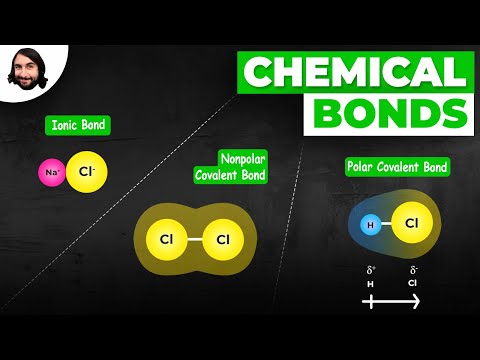
Innovative Approaches to Chemical Formulation in Science
So, picture this: you’re in the kitchen trying to whip up a recipe. You’ve got all these ingredients laid out, but somehow the cake ends up looking more like a pancake! Happens to the best of us, right? Well, that whole “mixing things together” vibe is pretty similar to what scientists do when creating chemical formulations. Now, here’s where it gets super interesting—chemists aren’t just tossing stuff in a bowl. Nope! They’re blending science with creativity and precision. Like artists with their palettes, they experiment with different combos to discover new materials that can change everything from your morning coffee to the car you drive. Seriously, there’s so much innovation happening in this field! It’s not just about chemistry lab coats and beakers anymore. Think … Innovative Approaches to Chemical Formulation in ScienceRead more
Visualizing the HCN Lewis Structure in Chemical Bonding
So, picture this: you’re at a party, chatting about chemistry, and someone mentions HCN. Suddenly, you’re the life of the party! People are like, “Whoa, how do you even know that?” But honestly? It’s just a molecule that gets a bit more interesting than you’d think. HCN stands for hydrogen cyanide. Yup, it sounds scary cause it kind of is. But stick with me here! When I first got into molecular structures, I thought they were just squiggly lines on paper. Like doodles from a weird art class. But then I learned about Lewis structures. It’s like peeking behind the curtain to see how atoms bond and interact. And let me tell you — visualizing these bonds can be super eye-opening! So get comfy; we’re … Visualizing the HCN Lewis Structure in Chemical BondingRead more
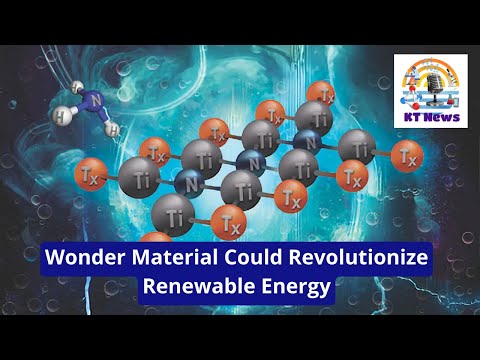
Elements Unite: A Journey Through the Periodic Table
You know what’s super strange? When I was a kid, I thought the periodic table was just a nerdy wallpaper for science classrooms. But as I grew up, I realized it’s like a secret code to understanding the universe! Yeah, every little box on that table represents an element, like tiny superheroes that make up everything around us. Water? That’s made of hydrogen and oxygen. Your phone? It’s got all sorts of metals and non-metals in it. Seriously, it’s wild! So let’s take a little trip through this colorful chart together. We’ll meet some quirky elements, uncover their personalities, and see how they team up to create the stuff we can’t live without. Buckle up; it’s gonna be a blast! Understanding Periodic Table Groups: What … Elements Unite: A Journey Through the Periodic TableRead more
Innovations in Organic Chemistry and Their Real-World Applications
You know that feeling when you smell a delicious dish cooking and it just transports you somewhere magical? Well, that’s basically organic chemistry at work! It’s in the food we eat, the medicines we take, even in that cup of coffee you can’t start your day without. Crazy, huh? Organic chemistry is like the secret sauce behind so much of what we love and use every day. But here’s where it gets interesting: there are some wild innovations popping up in this field that are changing the game in real ways. Imagine creating new materials that help clean up oil spills or developing drugs that actually target diseases more effectively. Pretty cool stuff! So stick around; let’s chat about how these innovations are not just … Innovations in Organic Chemistry and Their Real-World ApplicationsRead more
Innovations in Chemical Engineering for a Sustainable Tomorrow
You know that feeling when you’re stuck in a traffic jam, and your mind starts to wander? The other day, I was daydreaming about how cool it would be if all those cars were powered by something totally green. Like, what if we could fuel our rides with candy wrappers or leftover pizza? Sounds silly, right? Well, guess what? Chemical engineers are kinda doing that! They’re out there coming up with amazing ways to make our world more sustainable. Seriously! From turning waste into useful stuff to creating clean energy solutions, these folks are changing the game. So let’s chat about some of those wild innovations! It’s like science fiction but in real life. And who knows, maybe one day we’ll be zipping around in … Innovations in Chemical Engineering for a Sustainable TomorrowRead more
Innovative Approaches in Chemical Engineering Outreach
So, picture this: You’re hanging out with friends, and someone mentions they accidentally mixed bleach and vinegar at a party. Yup, chaos ensues! That’s chemical engineering for you—exciting but can get messy if you’re not careful. But here’s the thing. Chemical engineering isn’t just about mixing stuff in a lab and hoping for the best. It’s everywhere! From the food we eat to the products we use daily, it’s all thanks to some brilliant minds making sure things work smoothly. And guess what? More and more people are getting into this world of chemical engineering. They’re coming up with cool ways to share knowledge and excitement about it with others. So, let’s chat about some of those innovative approaches in chemical engineering outreach that are … Innovative Approaches in Chemical Engineering OutreachRead more
The Role of Charges in the Periodic Table of Elements
You know that feeling when you’re at a party, and there’s that one person who just lights up the room? Well, in the world of chemistry, charges are kinda like that. They’re those little electric personalities that make elements react and bond in all sorts of wild ways. So picture this: you’re at the periodic table. It’s a huge group of elements just hanging out, right? Some are super friendly and form bonds with others. Others? Not so much. That’s where charges come into play! You’ve got positive and negative charges mingling about, and depending on who they link up with, they create everything from water to diamonds. Seriously! Chemistry can be like matchmaking for atoms! And trust me, it gets way more interesting when … The Role of Charges in the Periodic Table of ElementsRead more
Ionic Bonds: Nature’s Way of Building Compounds Together
Alright, so picture this: you’ve gone to a party, right? You’re just chilling, but suddenly you see two people across the room totally vibing. One’s super positive and chatty, while the other one is just a bit more reserved but definitely has their own thing going on. Somehow, they start talking and boom! Instant chemistry! Well, that’s kinda like how ionic bonds work in the world of chemistry. They’re all about opposites attracting. It’s nature’s way of bringing together different atoms to create something new and awesome. Seriously, ionic bonds are like those perfect party matches that lead to amazing compounds! So let’s break it down together. What makes these bonds tick? How do they form? And why should you even care about them? Stick … Ionic Bonds: Nature’s Way of Building Compounds TogetherRead more
Molecular Geometry and Its Role in Chemical Behavior
So, picture this: you’re at a party, and everyone’s mingling in groups. But suddenly, someone walks in who just changes the vibe completely. That’s kinda like what happens with molecules when it comes to their shape. Yeah, seriously! Molecular geometry is this cool idea that explains how the arrangement of atoms affects how a molecule behaves. It’s like finding out why some people are great dancers while others just stand awkwardly in the corner. Seriously, it all comes down to their structure. When you start to look closer, you’ll see that those little shapes can affect everything from smell to taste and even whether something is toxic or not! Stick with me here; it’s going to be a fun ride through the world of atoms … Molecular Geometry and Its Role in Chemical BehaviorRead more
Covalent Bonds: The Foundations of Molecular Structures
So, you know how you sometimes have those moments when you’re stuck with a friend, and you both just kind of click? Like, you share secrets, snacks, and ideas? That’s kinda what covalent bonds are like in the world of molecules. Imagine two atoms getting all cozy and deciding to share a couple of electrons. They’re basically best buddies now! It’s not all sunshine and rainbows—sometimes they fight for those electrons—but that’s what makes things interesting. You see, these bonds are the glue that holds everything together in the molecular universe. I remember my old chemistry teacher waving a model of water around like it was a trophy. “Look!” she’d exclaim, “This is all because of covalent bonds!” And honestly, I’d never thought chemistry could … Covalent Bonds: The Foundations of Molecular StructuresRead more
American Chemical Society Promotes Science Through Outreach
So, picture this: you’re in your high school chemistry class, and that one kid, you know the type, raises his hand and says, “When are we ever gonna use this?” Ever felt that way? Yeah, me too! But here’s the thing. Chemistry isn’t just about mixing baking soda and vinegar. It’s like the secret sauce behind everything around us—from the food we eat to the air we breathe. Cool, right? Now enter the American Chemical Society (ACS). They’re not just a bunch of lab coats throwing beakers around. Nope! They’re on a mission to make science relatable and fun for everyone. Seriously! With their outreach programs, they bring chemistry into communities like yours, sparking curiosity in those who never thought science could be exciting. Imagine … American Chemical Society Promotes Science Through OutreachRead more
Engaging Chemistry Lessons for Young Scientists
So, picture this: you’re in your kitchen, and your little sibling decides to mix vinegar and baking soda. Next thing you know, there’s an epic volcano eruption happening right there on the countertop! It’s messy, it’s chaotic, and honestly, super fun. That’s chemistry for you! It’s all about those wild reactions and unexpected surprises. You might think chemistry is just for lab coats and serious faces. But trust me, it can be a blast! Seriously. With the right lessons, you can turn any young scientist into a chemistry whiz. And who doesn’t love some good old-fashioned science magic? Let’s chat about how to make those lessons not just informative but downright engaging! Engaging Strategies for Teaching Chemistry: Making Science Fun and Accessible Teaching chemistry to … Engaging Chemistry Lessons for Young ScientistsRead more
The Art of Chemistry in Everyday Life and Science Communication
You know that moment when you’re cooking and your buddy asks why the baking soda just fizzed up? It’s like, “Dude, that’s chemistry at work!” Seriously, it’s everywhere—even in your kitchen. But here’s the thing: chemistry isn’t just about test tubes and lab coats. It’s in every little thing we do! From the way our soap cleans to how our breath smells after eating garlic, there’s a whole world of reactions happening. The cool part? We can totally make this stuff relatable. Imagine chatting over coffee about how chemistry shapes our lives without putting anyone to sleep. So, let’s explore the art of chemistry through everyday life and find out how we can communicate it better. Trust me, it’ll be fun! Exploring the Role of … The Art of Chemistry in Everyday Life and Science CommunicationRead more
Innovative Chemical Experiments for Young Scientists
You know, when I was a kid, I thought being a mad scientist was the coolest thing ever. I mean, who wouldn’t want to mix colorful liquids and create some sort of potion? I used to dream of turning my backyard into a lab where crazy experiments could happen. Spoiler alert: my mom wasn’t thrilled about the mess! But here’s the deal—science doesn’t have to be all serious and lab coats. Seriously! There’s so much fun stuff you can do with just some basic ingredients from your kitchen or backyard. Imagine making your own lava lamp or exploding volcanoes. Sounds awesome, right? Kids are naturally curious, always poking around and asking questions. So why not channel that curiosity into some cool chemical experiments? It’s not … Innovative Chemical Experiments for Young ScientistsRead more